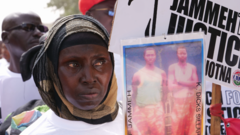
Gambia Launches Specialized Office to Prosecute Jammeh-Era Human Rights Abuses
The government of The Gambia has officially inaugurated a specialized prosecution office tasked with investigating and bringing to trial those responsible for systemic human rights violations committed during the 22-year rule of former President Yahya Jammeh. This initiative represents a critical shift in the nation’s post-regime landscape, moving from the phase of truth-seeking to active criminal litigation for state-sponsored violence.
Leading this effort is British barrister Martin Hackett, an expert in international war crimes tribunals. His appointment, which carries a four-year mandate, underscores the government’s commitment to establishing a localized legal framework for accountability. By building this capacity domestically, the administration aims to move away from relying solely on universal jurisdiction—which has previously forced the prosecution of Gambian officials in foreign courts—and instead foster a robust, sovereign judicial process.
The legal foundation for these new proceedings is rooted in the 2021 report from the Truth, Reconciliation and Reparations Commission. That report meticulously documented state-sanctioned crimes, including extrajudicial killings and forced disappearances. Notable cases, such as the murder of journalist Deyda Hydara and the massacre of over 50 migrants, serve as the primary evidentiary basis for the unit’s upcoming charges. While former President Jammeh currently remains in exile in Equatorial Guinea, the establishment of this office signals a definitive end to the era of impunity that characterized his long tenure.
Key Takeaways
- The Gambia has established a dedicated prosecution office to address crimes committed during Yahya Jammeh's 22-year presidency.
- The initiative is led by international war crimes expert Martin Hackett and utilizes evidence gathered by the 2021 Truth, Reconciliation and Reparations Commission.
- The move aims to shift accountability from foreign courts to a domestic legal process, providing justice for victims of extrajudicial killings and forced disappearances.
Editor’s Analysis & Impact
The establishment of this specialized prosecution office is a landmark moment for transitional justice in West Africa. By domesticating the legal process, The Gambia is not only seeking to provide closure for victims’ families but is also actively strengthening its judicial institutions against future authoritarian overreach. The success of this unit will likely serve as a blueprint for other nations emerging from long-term dictatorships. However, the process faces significant hurdles, particularly regarding the extradition of high-profile figures currently in exile. The international community will be watching closely to see if the government can maintain political independence throughout these trials. If successful, this initiative could significantly bolster the rule of law in the region and restore public trust in the Gambian state, effectively closing a painful chapter of its history while setting a precedent for regional accountability.
Frequently Asked Questions
Q: What is the primary goal of the new prosecution office in The Gambia?
A: The office is tasked with investigating and prosecuting individuals responsible for systemic human rights abuses, including extrajudicial executions and forced disappearances, that occurred during the 22-year rule of Yahya Jammeh.
Q: What evidence will the new prosecution unit use to build its cases?
A: The unit will rely on the comprehensive findings and evidentiary records compiled by the Truth, Reconciliation and Reparations Commission, which released its final report in 2021.
AI Disclosure: This article is based on verified data and official reports. Our Team and AI have cross-referenced every financial detail with primary sources to ensure total accuracy.
More from this Category