Gaze Up: October 2026 Promises Stellar Views of Saturn, Orionids, and Pleiades
October 2026 is set to be a captivating month for skywatchers, offering a trio of celestial events that promise spectacular views. Enthusiasts will have prime opportunities to observe the ringed planet Saturn at its brightest, witness the annual Orionid meteor shower, and marvel as the Moon makes a close pass by the famous Pleiades star cluster.
Early in the month, on October 4th, Saturn will reach opposition, a phenomenon where Earth passes directly between the Sun and Saturn. This alignment positions Saturn opposite the Sun in our sky, causing it to rise around sunset and remain visible throughout much of the night, offering one of the year’s best chances to view its iconic rings. Adding to the intrigue, recent observations from the Hubble Space Telescope have revealed a strengthening ten-sided atmospheric wave encircling Saturn’s south pole, providing scientists with a unique opportunity to study the development of a giant atmospheric pattern.
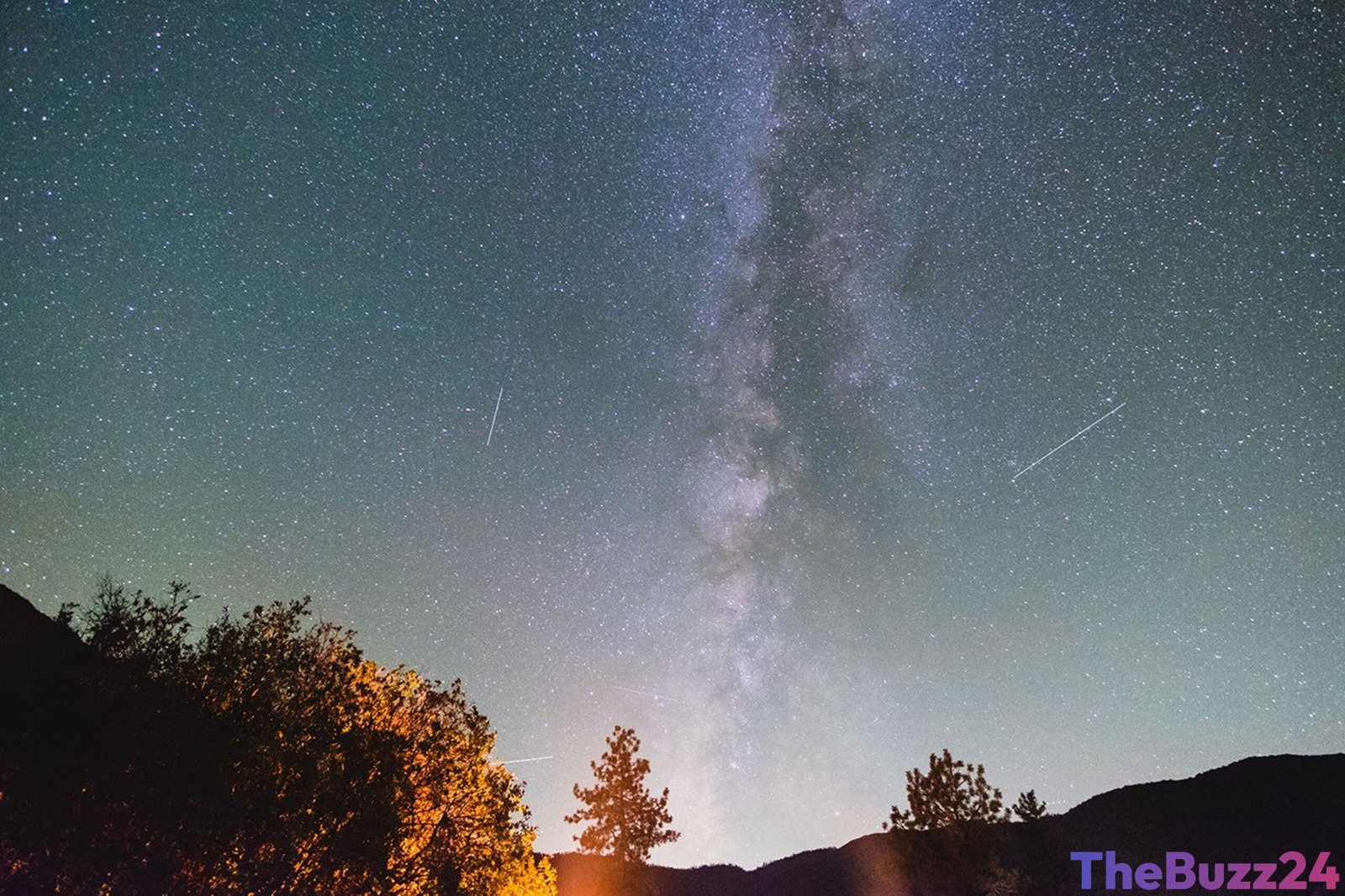
Mid-month, the Orionid meteor shower will peak on the night of October 21st into the morning of October 22nd. These meteors are fragments of debris left behind by Halley’s Comet, appearing to radiate from the constellation Orion. While a bright waxing gibbous Moon may obscure some fainter meteors, the best viewing window will likely be in the hours before dawn, after the Moon has set. Finding a dark location and allowing your eyes to adjust will maximize your chances of spotting these swift streaks of light.
Towards the end of October, specifically on the night of the 27th into the 28th, observers should look for the Moon as it passes remarkably close to the Pleiades star cluster, also known as the Seven Sisters. This globally visible cluster has inspired countless stories across ancient cultures. Appearing as a slightly fuzzy grouping of six to seven stars to the unaided eye, the Pleiades reveal even more breathtaking detail when viewed through binoculars or a telescope, making this lunar conjunction a truly memorable event.
Key Takeaways
- Saturn reaches opposition on October 4th, providing an optimal viewing period for the ringed planet throughout the night.
- The Orionid meteor shower, originating from Halley's Comet, peaks on October 21-22, with best viewing opportunities before dawn after moonset.
- The Moon will pass near the Pleiades star cluster (Seven Sisters) on October 27-28, offering a globally visible and picturesque celestial pairing.
Editor’s Analysis & Impact
The upcoming celestial events in October 2026 underscore the enduring public fascination with space and astronomy. While not directly impacting financial markets, these occurrences significantly boost interest in related industries such as amateur astronomy equipment, educational programs, and astrotourism. The mention of Hubble’s ongoing observations of Saturn highlights the continuous advancements in space science and the collaborative nature of global research. This blend of accessible skywatching opportunities and cutting-edge scientific discovery fosters a broader appreciation for STEM fields. Looking ahead, such events will continue to inspire new generations of scientists and enthusiasts, driving innovation in observation technology and deepening our understanding of the cosmos.
Frequently Asked Questions
Q: What does it mean for Saturn to be at 'opposition'?
A: When a planet is at opposition, it means Earth is positioned directly between that planet and the Sun. This makes the planet fully illuminated by the Sun from our perspective, and it rises around sunset, remaining visible for most of the night, offering the best viewing conditions.
Q: How can I best view the Orionid meteor shower if there's moonlight interference?
A: To best view the Orionid meteor shower despite moonlight, it is recommended to look in the hours just before dawn, after the Moon has set. Find a location away from city lights, allow your eyes at least 20-30 minutes to adjust to the darkness, and look towards the general direction of the constellation Orion.
Q: What are the Pleiades, and how can I spot them?
A: The Pleiades, also known as the Seven Sisters, is an open star cluster located in the constellation Taurus. It appears as a small, fuzzy grouping of 6-7 stars to the naked eye. To spot them, look east in the evening sky on October 27-28 as the Moon passes nearby. Binoculars or a small telescope will enhance the view, revealing more stars and intricate details within the cluster.
AI Disclosure: This article is based on verified data and official reports. Our Team and AI have cross-referenced every financial detail with primary sources to ensure total accuracy.
More from this Category