Geopolitical Shifts and Energy Markets: Strait of Hormuz Tensions, Syria’s Sanction Relief, and Key Stock Movements
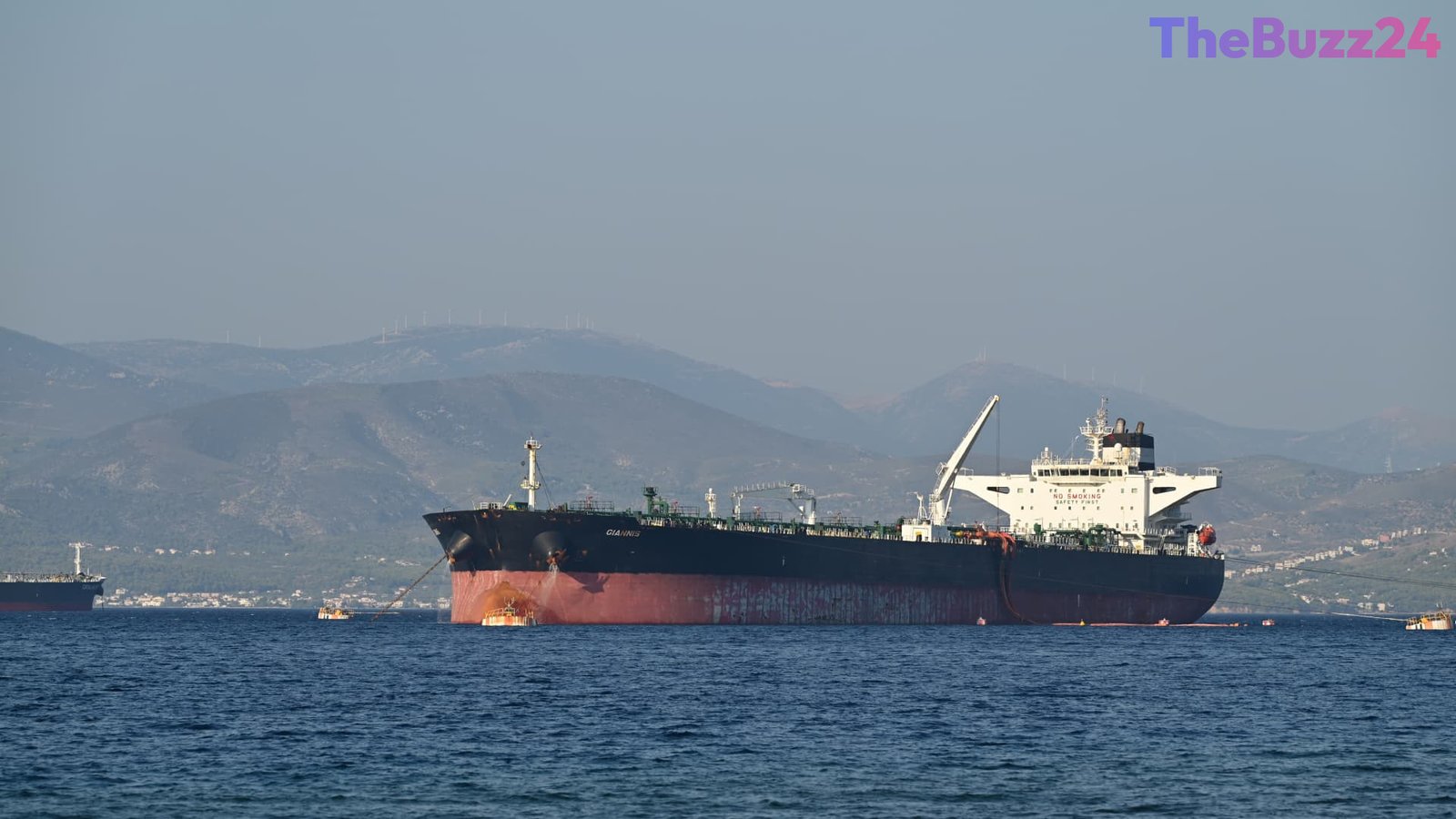
The geopolitical landscape in the Middle East continues to dictate global energy dynamics, particularly around the critical Strait of Hormuz. While the waterway historically carried up to 20% of the world’s oil, current transit volumes remain significantly depressed compared to pre-war levels. Amid ongoing tensions, Iran and Oman have floated proposals for a joint shipping corridor to manage safe passage. However, industry insiders suggest that neighboring Gulf nations are highly resistant to any framework that would impose transit fees or tolls for navigating what is legally recognized as an international shipping channel. Meanwhile, international naval escorts, particularly from the United States, continue to facilitate the passage of vital energy supplies through the contested corridor.
Concurrently, a subtle but highly consequential shift in U.S. foreign policy is poised to reshape energy infrastructure in the region. The U.S. Treasury’s Office of Foreign Assets Control (OFAC) recently quieted its designation of Syria as a state sponsor of terrorism. This regulatory change significantly lowers the compliance hurdles for Western energy giants, including Chevron, ConocoPhillips, and BP, looking to participate in massive infrastructure projects. Specifically, it paves the way for a planned $60 billion investment in Iraq, which includes the rehabilitation of pipelines running from northern Iraq through Syria and Turkey to the Mediterranean Sea, offering a strategic alternative to Persian Gulf shipping routes.
On the financial front, market analysts are preparing for divergent oil price scenarios depending on how these geopolitical tensions resolve. A potential diplomatic breakthrough with Iran could drag Brent crude down to the $60 range next year, while prolonged instability in the Strait of Hormuz could push prices past $110 per barrel. Amid this volatility, notable market activity includes high-profile investments in Bloom Energy, as well as growing interest in solid-state battery developer Factorial Energy, which recently demonstrated its technology’s capabilities in a Mercedes-Benz electric vehicle. Additionally, solar technology provider SolarEdge Technologies has received positive market revisions following U.S. import restrictions that are expected to tighten domestic supply and boost local market share.
Key Takeaways
- Gulf nations are resisting proposed toll-based safe passage agreements in the Strait of Hormuz, maintaining that the waterway must remain a free international shipping channel.
- The removal of Syria's state sponsor of terrorism designation clears major regulatory hurdles for Western energy giants like Chevron, ConocoPhillips, and BP to invest in Iraqi-Syrian pipeline infrastructure.
- Energy markets face extreme volatility, with analysts forecasting Brent crude prices ranging from $60 to $110 per barrel depending on the resolution of Middle Eastern geopolitical conflicts.
Editor’s Analysis & Impact
The intersection of Middle Eastern geopolitics and Western regulatory shifts is creating a dual-track reality for global energy markets. On one hand, the physical vulnerability of the Strait of Hormuz keeps a persistent risk premium on crude oil, forcing nations to seek alternative transit routes. On the other hand, the quiet de-escalation of sanctions on Syria represents a pragmatic pivot by Western authorities to secure alternative pipeline corridors to the Mediterranean. By facilitating investments for majors like Chevron and BP, this policy shift could fundamentally alter oil logistics, reducing reliance on the volatile Persian Gulf. Concurrently, the steady flow of capital into alternative energy plays—ranging from solid-state batteries to hydrogen and solar—underscores a broader hedge against fossil fuel volatility. Investors should expect continued near-term crude price swings while long-term infrastructure plays begin to take shape.
Frequently Asked Questions
Q: Why are Gulf nations opposing the proposed shipping corridor in the Strait of Hormuz?
A: Gulf nations view the Strait of Hormuz as an open international shipping channel. They are highly unlikely to agree to any joint corridor proposal by Iran and Oman that would require them to pay transit fees or tolls for safe passage.
Q: How does Syria's change in terrorism status affect Western energy companies?
A: The removal of Syria's designation as a state sponsor of terrorism lowers legal and regulatory barriers. This allows major Western firms like Chevron, ConocoPhillips, and BP to safely invest in pipeline infrastructure running from Iraq through Syria to the Mediterranean.
Q: What is the current outlook for oil prices amid these tensions?
A: Market forecasts are highly polarized. A successful diplomatic resolution in the region could stabilize supply and bring Brent crude down to the $60 range, whereas continued disruptions in the Strait of Hormuz could drive prices up to $110 per barrel.
AI Disclosure: This article is based on verified data and official reports. Our Team and AI have cross-referenced every financial detail with primary sources to ensure total accuracy.
More from this Category