Global Alert: “Supersized” El Niño Threatens World Economy and Triggers Extreme Weather Until 2027
The United Nations has issued a stark warning regarding the intensifying El Niño climate pattern, describing it as “supersized” and pushing the world into a “danger zone of extreme weather.” This powerful phenomenon is projected to persist until February 2027, significantly elevating the global risk of severe floods, prolonged droughts, and intense heatwaves. UN Secretary-General António Guterres emphasized the urgency, stating that the race is now between escalating risks and the global commitment to climate action.
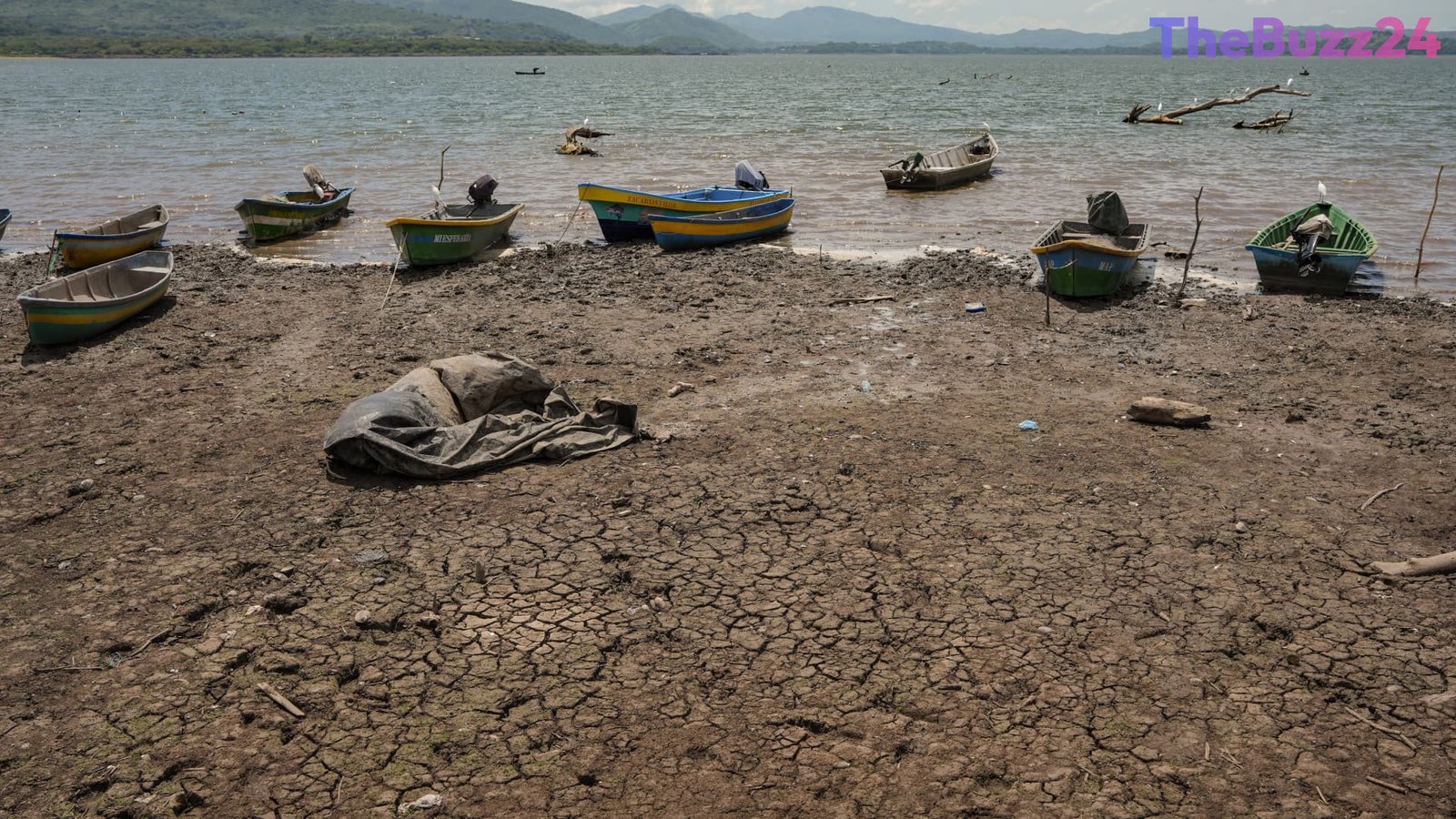
Regions across Asia-Pacific and Latin America are already experiencing the immediate and devastating effects of this climate event. Countries such as Guatemala, Honduras, and El Salvador are grappling with erratic weather conditions and drought, leading to substantial crop losses. Indonesia is battling widespread and destructive wildfires, while a weaker monsoon season in India threatens the yields of crucial crops like rice, sugar, cotton, and soybeans. In Peru, the vital anchovy fishing industry, a key source for livestock feed, has suffered a severe blow.
The economic repercussions of this “supersized” El Niño are expected to be felt worldwide, particularly impacting global commodity markets. Prices for essential agricultural products like corn, cocoa, and coffee are vulnerable to disruption. Furthermore, the extreme weather conditions pose unpredictable challenges to energy generation and demand. Potential disruptions loom for hydropower, wind, and solar output, as well as oil and gas production and refining operations, alongside mining activities, creating a complex web of economic instability.
Scientifically, an El Niño event is characterized by sea temperatures in the tropical eastern Pacific rising at least 0.5 degrees Celsius above the long-term average. Recent observations indicate an alarming intensification, with sea surface temperatures exceeding 2 degrees Celsius above normal in July, and ranging between 2.2 and 2.6 degrees Celsius above average from late July to mid-August. Even more concerning, subsurface ocean temperatures during July and early August were recorded at more than 8 degrees Celsius above average, signaling an exceptionally warm and powerful event.
Key Takeaways
- The United Nations warns of a "supersized" El Niño expected to cause extreme weather globally until February 2027.
- Regions like Asia-Pacific and Latin America are already experiencing severe impacts, including droughts, crop failures, and wildfires.
- The intensifying El Niño is set to significantly disrupt global commodity markets, affecting agriculture and energy sectors worldwide.
Editor’s Analysis & Impact
The UN’s dire warning about an extended and intensified El Niño underscores a critical period of economic and environmental vulnerability. The projected impacts on agriculture, energy, and commodity prices will likely trigger inflationary pressures and supply chain disruptions, particularly affecting developing nations reliant on these sectors. Businesses, especially those in food production and energy, must brace for increased volatility and potential operational challenges. This prolonged climate event highlights the urgent need for robust climate adaptation strategies and international cooperation to mitigate humanitarian crises and economic instability. The severity of current temperature anomalies suggests that the world is entering an unprecedented phase of climate-induced challenges, demanding immediate and sustained global action.
Frequently Asked Questions
Q: What is El Niño?
A: El Niño is a naturally occurring climate pattern characterized by the warming of sea surface temperatures in the tropical eastern Pacific Ocean, typically by at least 0.5 degrees Celsius above the long-term average. It oscillates with La Niña and occurs every two to seven years.
Q: How long is this "supersized" El Niño expected to last?
A: The United Nations projects that this intensified El Niño event will persist until February 2027, bringing an extended period of increased risks for floods, droughts, and extreme heat globally.
Q: Which regions are most immediately affected by El Niño?
A: Countries in Asia-Pacific and Latin America are currently bearing the brunt of the immediate impacts, experiencing erratic weather, severe droughts, crop losses, and devastating wildfires. However, the economic effects on commodity prices are expected to be felt worldwide.
AI Disclosure: This article is based on verified data and official reports. Our Team and AI have cross-referenced every financial detail with primary sources to ensure total accuracy.
More from this Category