Global Branding Boom: Trump’s Foreign Licensing Income Surges to $59.5 Million Amid Gulf Real Estate Expansion
During his first year back in the White House, President Donald Trump’s international real estate licensing business experienced an unprecedented financial surge. In 2025, foreign licensing revenues reached $59.5 million, representing a 71% increase from the previous year and a nearly tenfold jump compared to 2023. This dramatic growth was largely driven by the Trump Organization’s decision to lift its self-imposed first-term ban on new international business ventures, opting instead for a policy that permits partnerships with private foreign entities while officially prohibiting direct deals with foreign governments.
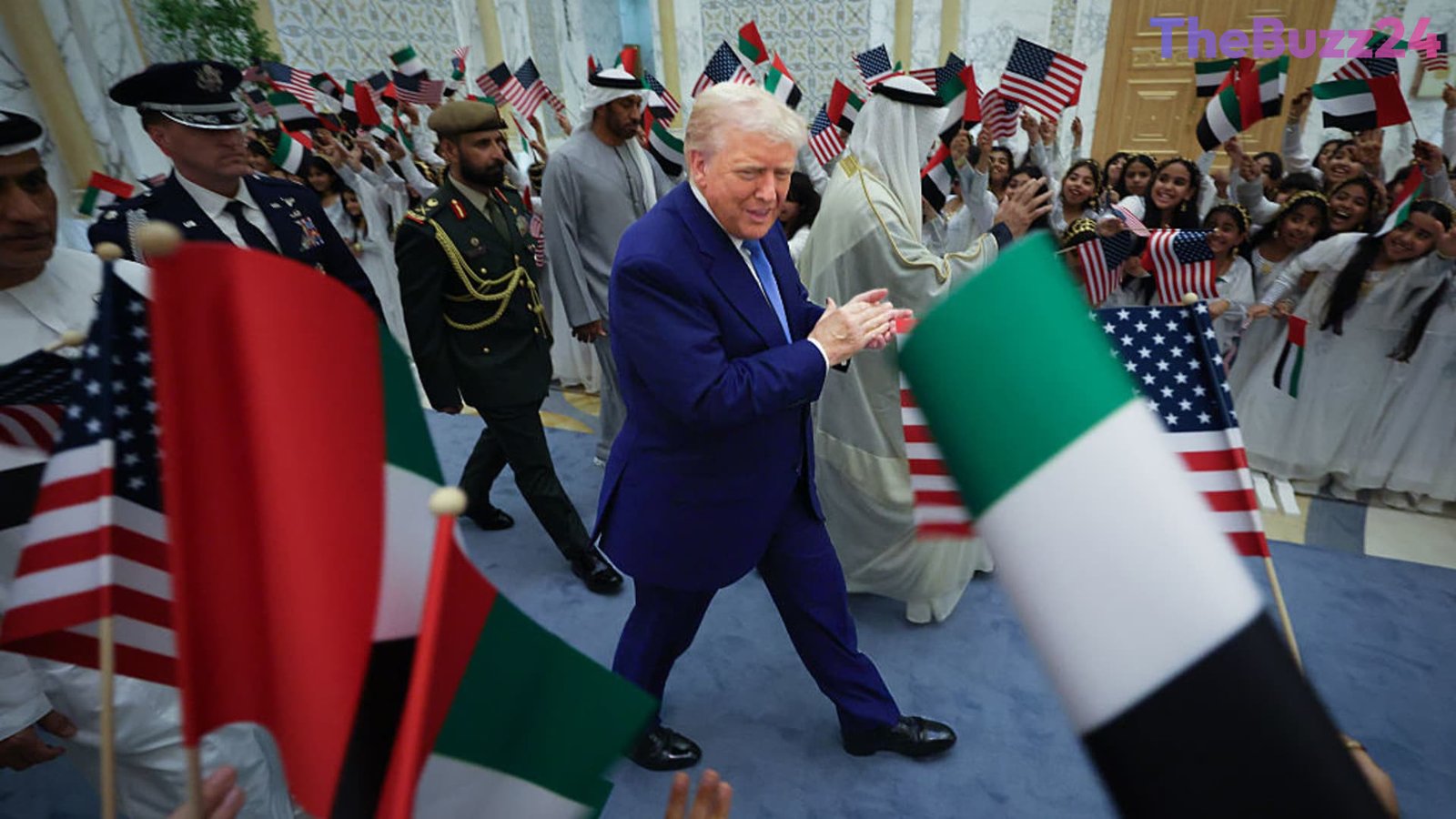
The vast majority of this licensing income—more than 60%—originated from high-profile luxury developments in the Persian Gulf. Leading the surge were partnerships with Saudi-linked developer Dar Al Arkan, which generated $25.8 million, and Dubai-based Damac, which contributed $11.3 million. These arrangements typically involve local developers funding and constructing the properties while paying premium fees to brand them with the Trump name. However, several of these projects blur the lines between private enterprise and state influence. For instance, a $5.25 million deal in Qatar is tied to a coastal development led by Qatari Diar, a real estate firm owned by the nation’s sovereign wealth fund, while a project in Oman involves a joint venture with the state-owned tourism development arm, Omran Group.
The rapid expansion of these branded properties has coincided with major diplomatic and policy milestones, raising intense scrutiny from ethics watchdogs. In early 2025, Damac’s founder, billionaire Hussain Sajwani, met with Trump to announce a massive $20 billion investment in U.S. data centers, shortly before a presidential executive order was signed to fast-track federal permitting for such infrastructure. Similarly, the announcement of the Qatari golf resort occurred just weeks before a major state visit to Doha, where significant defense and economic agreements were finalized. In Vietnam, a $5 million golf development broke ground with the local Prime Minister in attendance, occurring alongside sensitive bilateral tariff negotiations.
While investigations have yielded no direct evidence of policy decisions being influenced by these financial arrangements, legal experts and anti-corruption advocates warn of significant ethical and constitutional challenges. Critics argue that these deals provide foreign entities with a highly visible avenue to funnel money directly to a sitting president, potentially violating the Constitution’s Foreign Emoluments Clause. The Trump Organization maintains that its business operations are entirely separate from the presidency, utilizing an independent ethics adviser to ensure compliance with conflict-of-interest laws. Trump himself has dismissed the criticism, asserting his legal right to engage in private business, while Eric Trump defended the family’s decision to resume international dealmaking after facing intense scrutiny during their initial years in public life.
Key Takeaways
- Donald Trump's foreign real estate licensing revenue skyrocketed to $59.5 million in 2025, driven by a reversal of the Trump Organization's previous ban on new international deals.
- Over 60% of the licensing income came from the Gulf region, with major contributions from Saudi-linked Dar Al Arkan and Dubai-based Damac.
- Ethics watchdogs and legal experts raise concerns over potential conflicts of interest and Foreign Emoluments Clause violations due to the developers' ties to state-owned land and sovereign wealth funds.
Editor’s Analysis & Impact
The dramatic surge in Trump’s foreign licensing revenue highlights a growing trend where global luxury real estate intersects with geopolitical influence. By leveraging the Trump brand, international developers—particularly in the Gulf—are commanding premium prices for branded residences, which are currently experiencing a market boom. However, the close timing between these private business deals and major U.S. policy shifts, such as expedited data center permitting and tariff negotiations, creates a challenging ethical landscape. Even without evidence of direct quid pro quo, the perception of financial influence could complicate diplomatic relations and invite prolonged legal scrutiny. Moving forward, this model may redefine the boundaries of presidential ethics, setting a precedent for how private business empires operate alongside the highest levels of public office.
Frequently Asked Questions
Q: Why did the Trump Organization's foreign licensing income increase so sharply in 2025?
A: The increase was primarily driven by the Trump Organization lifting its first-term restriction on new foreign business deals, allowing them to secure lucrative licensing agreements with private international developers, particularly in the Gulf region.
Q: What is the Foreign Emoluments Clause, and how does it relate to these deals?
A: The Foreign Emoluments Clause is a constitutional provision that prohibits federal officials from accepting gifts or financial benefits from foreign governments without congressional approval. Critics argue that because some private developers rely on state-owned land or sovereign wealth funds, these licensing fees could violate the clause.
Q: How does the Trump Organization defend these international business deals?
A: The Trump Organization states that it operates completely independently of the presidency, complies with all relevant ethics laws, and utilizes an outside ethics adviser to review transactions and prevent conflicts of interest.
AI Disclosure: This article is based on verified data and official reports. Our Team and AI have cross-referenced every financial detail with primary sources to ensure total accuracy.
More from this Category