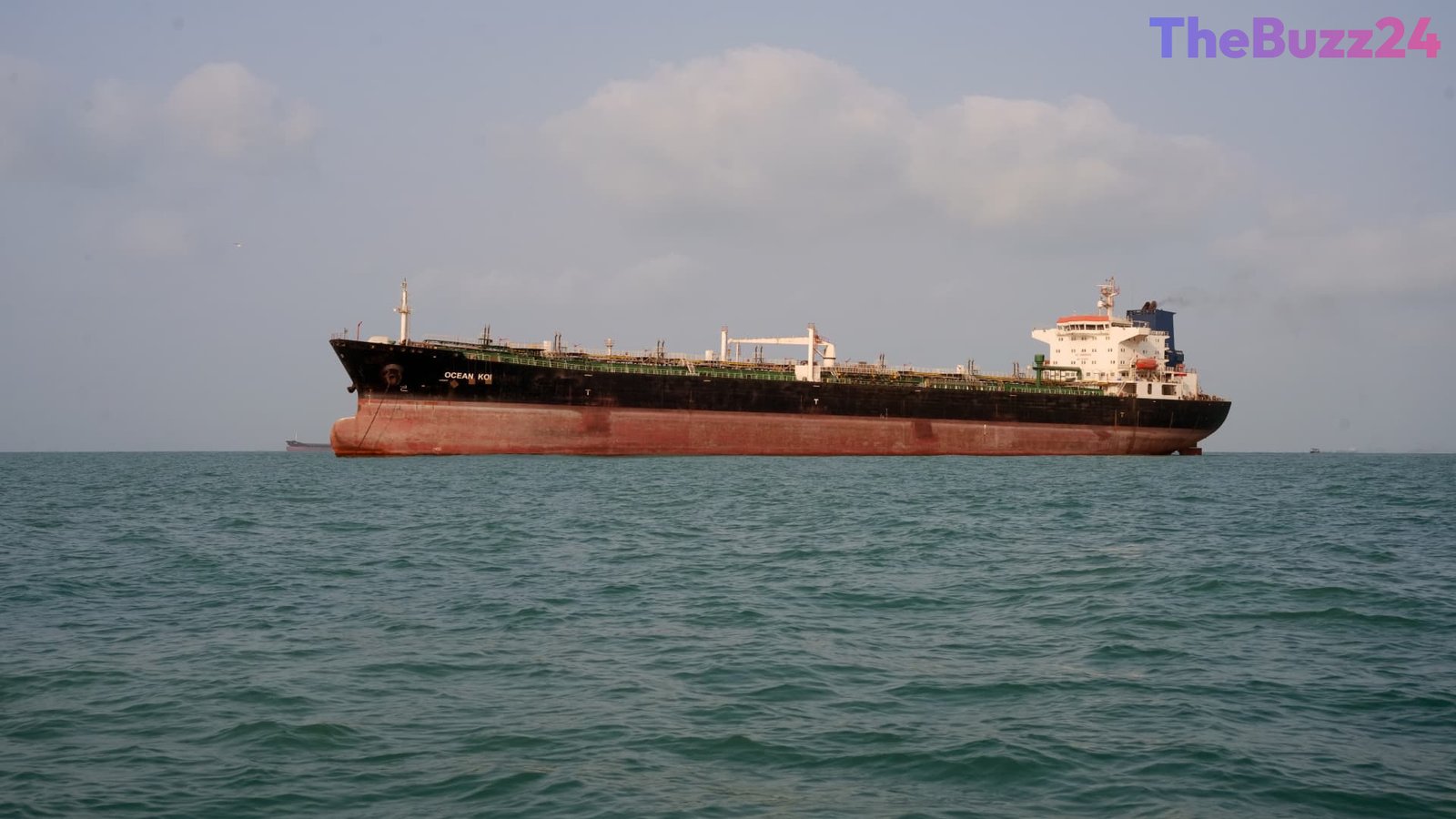
Global Crude Prices Climb Amid Escalating U.S. Economic Sanctions and Naval Blockade on Iran
Crude oil benchmarks experienced notable gains following official declarations regarding a severe escalation of economic measures and naval blockades targeting Iran. Brent crude futures advanced by 2.4% to settle at $93.78 per barrel, while U.S. West Texas Intermediate futures for October delivery climbed 2.7% to reach $86.64. The upward trajectory in energy markets reflects growing geopolitical tensions in the Middle East and heightened concerns over regional supply stability.
The administration announced plans to implement unprecedented economic restrictions designed to exert maximum financial pressure on the Iranian government. Officials emphasized that this strategy aims to bring about regime collapse through targeted sanctions and maritime enforcement, drawing parallels to similar historical actions implemented in other nations. While policymakers attempted to reassure investors that the aggressive financial stance would likely preclude the need for large-scale military engagements, the markets remained sensitive to the unfolding situation.
Compounding the regional strain, the United Arab Emirates announced the complete cessation of commercial and financial interactions with Iran following reported ballistic missile threats directed at its territory. Although Iranian officials denied involvement in the alleged strikes, the UAE’s decisive economic cutoff significantly isolates Tehran further. These combined developments have effectively sidelined prospects for immediate diplomatic resolutions or ceasefire renewals, keeping energy traders on high alert for ongoing supply disruptions.
Key Takeaways
- Brent crude futures rose 2.4% to $93.78 per barrel, and WTI futures increased 2.7% to $86.64 following announcements of severe economic pressure on Iran.
- The U.S. administration plans to enforce unprecedented sanctions and a naval blockade to target the Iranian regime economically.
- The United Arab Emirates halted all trade and financial transactions with Iran following alleged ballistic missile threats.
Editor’s Analysis & Impact
The latest escalation in U.S. economic warfare against Iran introduces a volatile dynamic into global energy markets. While officials argue that aggressive financial sanctions and naval blockades serve as an alternative to large-scale military conflict, the immediate reaction of oil prices underscores the market’s underlying anxiety regarding supply security in the Middle East. Compounded by the UAE’s complete suspension of trade with Iran, the physical and financial flow of energy commodities faces mounting friction. In the short term, traders should anticipate heightened volatility as geopolitical risk premiums remain baked into crude pricing. Over the long horizon, the sustained isolation of Iran could permanently alter regional trade routes and force a reconfiguration of global energy supply chains.
Frequently Asked Questions
Q: Why did oil prices increase recently?
A: Oil prices rose following announcements of maximum economic pressure, strict upcoming sanctions, and a naval blockade against Iran by the U.S., alongside regional trade disruptions in the UAE.
Q: How did major oil benchmarks perform?
A: Brent crude futures rose 2.4% to close at $93.78 per barrel, and U.S. West Texas Intermediate futures for October delivery increased 2.7% to $86.64.
Q: What role did the UAE play in the recent tensions?
A: The UAE halted all trade and financial transactions with Iran after reporting that ballistic missiles had been launched toward its territory, further isolating Iran economically.
AI Disclosure: This article is based on verified data and official reports. Our Team and AI have cross-referenced every financial detail with primary sources to ensure total accuracy.
More from this Category