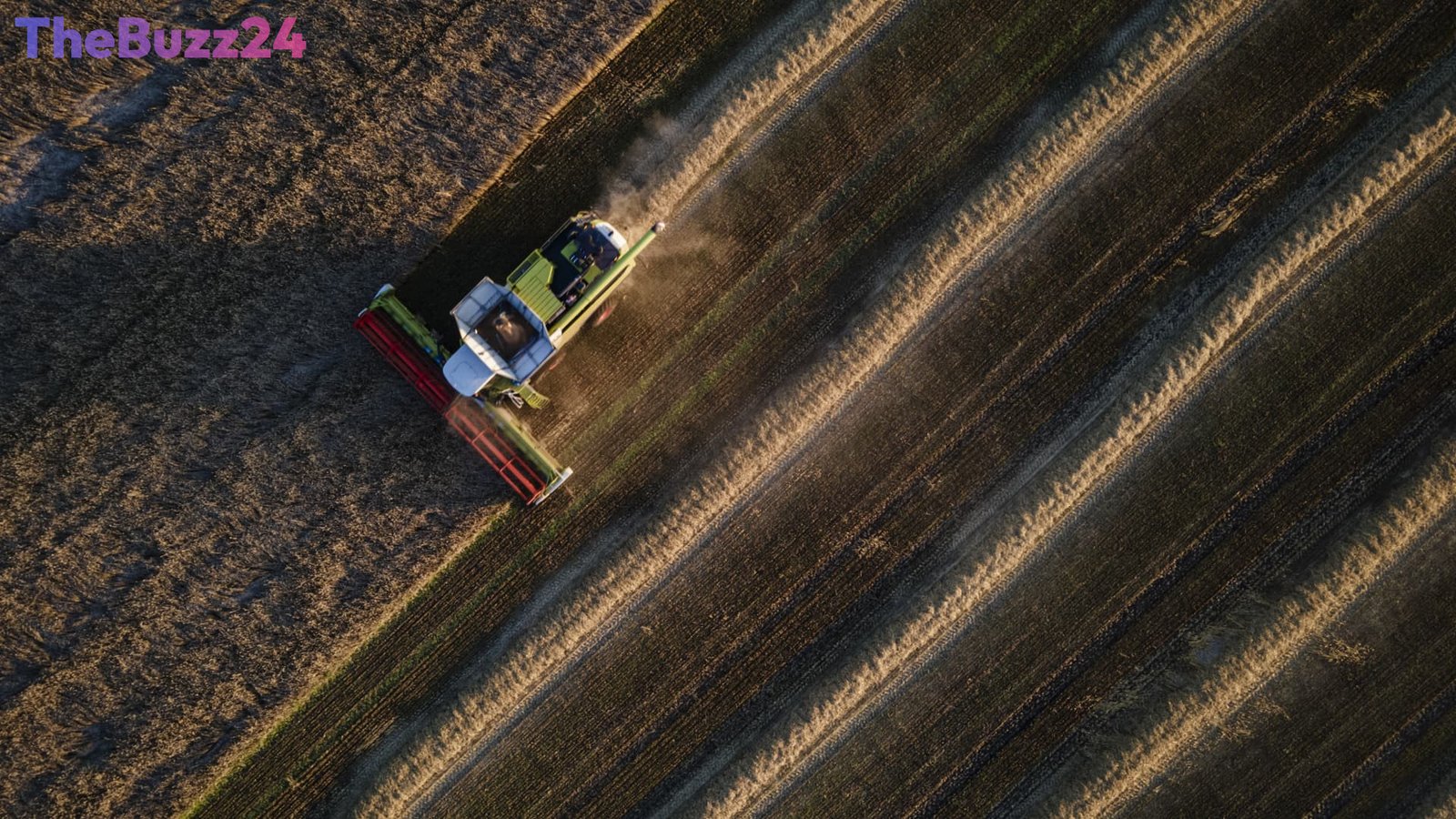
Global Food Supply Faces ‘Perfect Storm’ as Grain Prices Skyrocket
A confluence of geopolitical conflict, extreme weather, and economic pressures is creating a critical situation for global food security, with analysts warning of a potential ‘perfect storm’ impacting grain supplies this winter and into next year. The ongoing conflict between Russia and Ukraine, two of the world’s major grain exporters, continues to disrupt vital shipping routes in the Black Sea, significantly driving up wheat prices.
Recent military actions targeting port infrastructure, oil tankers, and vessels have made insuring and navigating these waters exceedingly difficult, leading many shipping firms to avoid the region. Compounding these issues, alternative land routes for Ukrainian grain are facing their own obstacles, including low water levels on the Danube River and necessary rail maintenance in Eastern Europe. These disruptions, alongside broader issues like the blockade of the Strait of Hormuz and depleted European waterways such as the Rhine, are not only hindering agricultural shipments but also inflating the cost of essential inputs like fertilizer.
Farmers worldwide are grappling with soaring costs for fertilizer, diesel, and labor. The price of key fertilizer chemicals has become a structural issue, exacerbated by supply constraints linked to Middle East conflicts. This financial strain is forcing many farmers to reconsider planting levels for the upcoming season. The precarious balance between input costs and potential crop yields is becoming increasingly difficult to manage, with some growers delaying purchases of supplies until additional financing or working capital is secured.
Adding to the precarious outlook are the impacts of extreme weather events. A searingly hot summer has reduced grazing potential in Europe, leading to shortages of hay and grass for cattle and potentially prompting significant herd liquidation. Furthermore, a wet spring and reduced fertilizer use in the U.S. have raised concerns about corn yields. The impending El Niño weather event is also expected to introduce further volatility, particularly in the southern hemisphere. This complex interplay of conflict, economic hardship, and climate challenges paints a grim picture for global food availability and affordability in the coming months.
Key Takeaways
- Geopolitical conflict in the Black Sea region is severely disrupting grain exports and driving up wheat prices.
- Rising costs for fertilizer, fuel, and labor, coupled with financing difficulties, are pressuring farmers globally, potentially reducing future crop yields.
- Extreme weather events, including heatwaves and the anticipated El Niño, are further exacerbating global food supply concerns.
Editor’s Analysis & Impact
The current global food supply landscape is exceptionally fragile, characterized by a dangerous convergence of factors. The ongoing conflict in Eastern Europe, coupled with broader maritime chokepoint issues, has created a persistent supply shock for essential grains and agricultural inputs like fertilizer. This is compounded by climate volatility, which is increasingly impacting crop production and livestock. The economic strain on farmers, who are facing higher operational costs and tighter credit, poses a significant risk to future harvests. The interconnectedness of these issues suggests that the ‘perfect storm’ could lead to sustained price inflation for food commodities, disproportionately affecting vulnerable populations and potentially triggering broader economic and social instability.
Frequently Asked Questions
Q: What is the 'breadbasket of Europe'?
A: The 'breadbasket of Europe' refers to regions, particularly Ukraine and Russia, that are historically major producers and exporters of grain and other agricultural products, playing a crucial role in global food supply.
Q: How does El Niño affect global food supply?
A: El Niño is a climate pattern characterized by warmer-than-average sea surface temperatures in the central and eastern Pacific Ocean. It can lead to significant shifts in weather patterns worldwide, causing droughts in some regions and heavy rainfall in others, which can disrupt agricultural production and impact crop yields.
Q: Why are fertilizer prices so high?
A: Fertilizer prices are influenced by several factors, including the cost of natural gas (a key component in nitrogen fertilizers), supply chain disruptions, geopolitical conflicts affecting major producing regions, and increased demand. Conflicts in the Middle East and Eastern Europe have particularly tightened supplies and driven up costs.
AI Disclosure: This article is based on verified data and official reports. Our Team and AI have cross-referenced every financial detail with primary sources to ensure total accuracy.
More from this Category