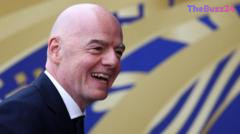
Global Football Governance in Crisis as Private Investment Plans Spark Massive Backlash
The governing body of world football is facing an unprecedented internal revolt over controversial proposals to bring private equity into its premier competitions. Leadership at the organization has strongly defended the initiative, insisting that nobody is selling the sport, despite fierce resistance from major continental confederations. The plan involves creating a commercial subsidiary, dubbed Fifa Forward Enterprise, which would allow external minority investors to buy stakes in major events like the World Cup. Proponents argue the move will unlock substantial revenue growth and increase payouts for member associations, framing the organization as historically under-monetized compared to its massive global viewership.
However, the backlash from regional bodies has been swift and severe. European and North and Central American confederations have formally rejected the proposal, viewing it as a dangerous commercialization of a historic sporting legacy. Critics have accused leadership of attempting to enrich stakeholders at the expense of traditional governance, even raising the threat of boycotts for upcoming tournaments if the funding deal moves forward. Meanwhile, Asian and other regional authorities have expressed deep concern over a perceived lack of transparency, due process, and meaningful consultation regarding the sweeping financial changes.
Despite the mounting friction, the leadership remains steadfast, tying significant financial incentives and development grants to the acceptance of the funding strategy. While wealthier nations heavily condemn the shift, representatives from developing regions have highlighted the desperate need for infrastructure funding and grassroots support that these cash injections could provide. As the deadline for federations to accept the financial package approaches, the sport stands at a crucial crossroads, balancing the urgent financial needs of smaller associations against the fierce protection of football’s traditional values.
Key Takeaways
- Global football leadership is pushing forward with a controversial plan to allow private equity investment into major tournaments through a new commercial subsidiary.
- Major continental bodies, including European and North/Central American confederations, have strongly rejected the proposal and threatened potential tournament boycotts.
- Developing football nations express a contrasting view, emphasizing that the proposed financial incentives are vital for grassroots infrastructure and development.
Editor’s Analysis & Impact
The clash over private equity in global sports governance highlights a widening ideological and financial chasm between elite, wealthy associations and developing football federations. While traditionalists view the commercialization of flagship events like the World Cup as an existential threat to the sport’s heritage, resource-constrained regions often rely entirely on external funding for basic infrastructure and grassroots programs. This tension mirrors previous breakaway attempts, such as the proposed European Super League. If leadership manages to push this deal through, it could fundamentally alter the financial architecture of international sports, setting a precedent for private capital ownership in traditionally non-profit governing bodies. However, the immediate threat of boycotts and fractured diplomatic relations poses a severe risk to tournament stability and the authority of the current administration.
Frequently Asked Questions
Q: What is the primary goal of the proposed commercial subsidiary?
A: The proposed subsidiary, Fifa Forward Enterprise, aims to invite minority, non-controlling investments from third-party firms to scale up tournament revenues and increase payouts for member associations.
Q: Why are some regional confederations opposing the plan?
A: Opposing confederations argue that the World Cup should not be treated as an investment product, expressing deep concerns over commercialization, a lack of due process, and the potential erosion of traditional sports governance.
Q: How do developing football nations view the controversial proposal?
A: Many developing federations are more receptive to the plans because the associated financial distributions and development programs provide crucial funding for local infrastructure and grassroots programs that are otherwise difficult to finance.
AI Disclosure: This article is based on verified data and official reports. Our Team and AI have cross-referenced every financial detail with primary sources to ensure total accuracy.
More from this Category