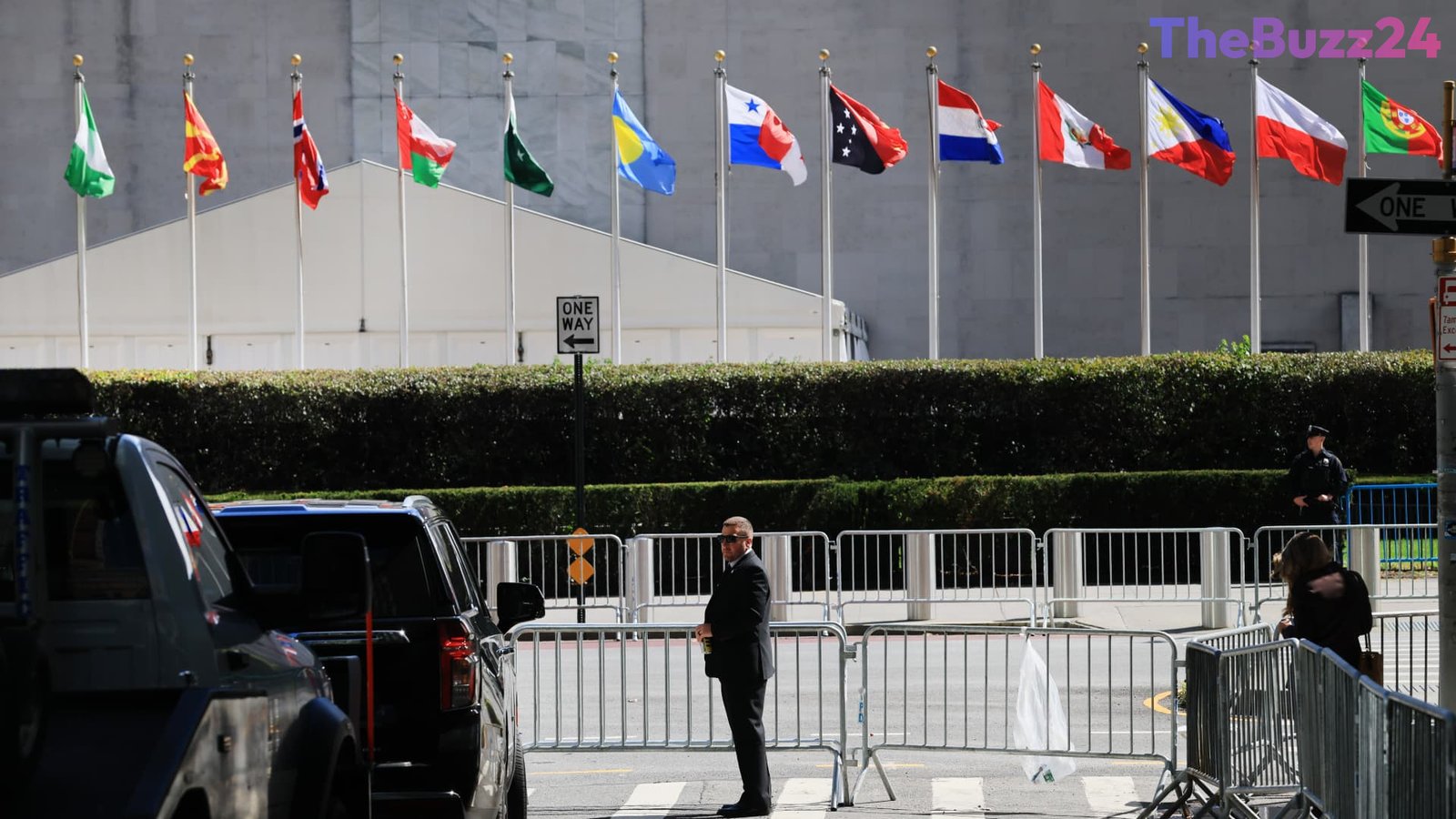
Global Leaders Convene in New York for High-Stakes UN General Assembly
Midtown Manhattan has transformed into a hub of intense diplomatic activity this week as nearly 130 heads of state and government arrived for the annual United Nations General Assembly. The gathering, marked by heavy security and significant traffic disruptions, serves as a critical forum for addressing a fractured global order, with discussions ranging from the ongoing conflict in Ukraine and the crisis in Gaza to the emerging threats posed by artificial intelligence.
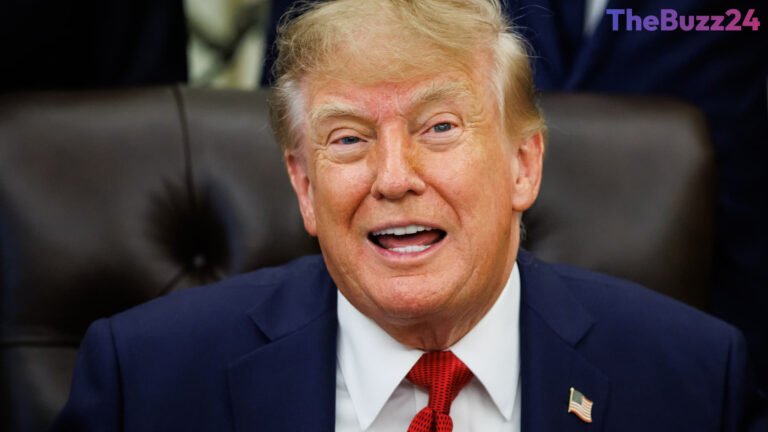
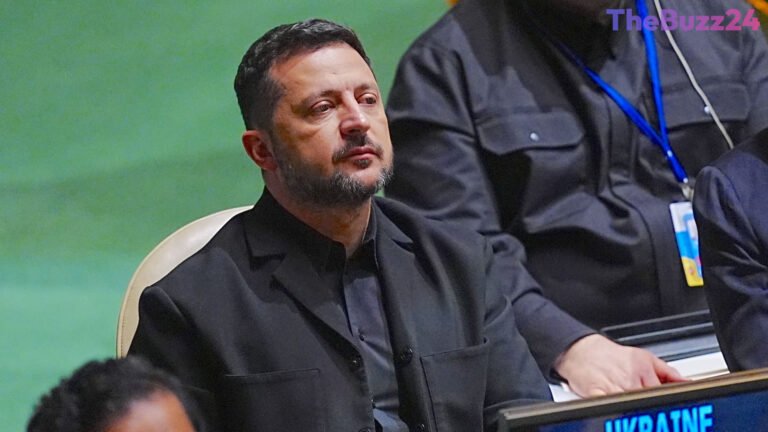
The assembly kicked off with a series of high-profile addresses. U.S. President Donald Trump utilized the platform to discuss the volatile situation with Iran, suggesting a potential path toward a diplomatic deal while simultaneously meeting with Ukrainian President Volodymyr Zelenskyy to discuss energy security. Meanwhile, Brazilian President Luiz Inácio Lula da Silva opened the proceedings with a strong defense of national sovereignty, criticizing the UN for its perceived inability to effectively prevent global conflicts.
While many world leaders are present, notable absences include Chinese leader Xi Jinping, who is scheduled for a separate summit in Washington, as well as the heads of state from India and Russia. Despite these absences, the week remains packed with sideline meetings. Among the notable developments, South Korean President Lee Jae Myung proposed a roadmap for denuclearization with North Korea, and French President Emmanuel Macron advocated for a moratorium on strikes against Ukraine’s energy infrastructure. Tensions also flared during the proceedings, particularly when Turkish President Recep Tayyip Erdogan’s remarks on Gaza led to a walkout by the Israeli delegation.
Key Takeaways
- Nearly 130 world leaders are meeting in New York to address global conflicts, including the wars in Ukraine and Gaza, and the risks of AI.
- President Trump signaled a potential diplomatic opening with Iran while simultaneously securing expanded U.S. military access in Greenland.
- Diplomatic tensions were high, evidenced by an Israeli delegation walkout following remarks by Turkish President Erdogan regarding the situation in Gaza.
Editor’s Analysis & Impact
The current UN General Assembly highlights a period of profound geopolitical fragmentation. The focus on energy security, particularly regarding the Russia-Ukraine conflict, underscores how regional wars are now inextricably linked to global economic stability and domestic political pressures, such as U.S. fuel prices. The shift toward bilateral sideline meetings—such as the Trump-Zelenskyy talks and the anticipated Xi-Trump summit—suggests that traditional multilateral diplomacy is increasingly being supplemented, or perhaps overshadowed, by direct power-brokering between major nations. The absence of key leaders like Xi Jinping and the Russian leadership indicates a cooling of global consensus, signaling that the UN’s role as a mediator is under significant strain. Future outlooks suggest that unless these high-level dialogues yield concrete de-escalation agreements, the international community may see further polarization and a continued erosion of established diplomatic norms.
Frequently Asked Questions
Q: Why are some world leaders skipping the UN General Assembly this year?
A: While the reasons vary by nation, some leaders, such as China's Xi Jinping, are prioritizing bilateral summits or domestic concerns over the multilateral forum in New York.
Q: What was the primary focus of the discussions regarding the Russia-Ukraine conflict?
A: Discussions centered on energy security, with specific proposals for a truce regarding energy grids and the broader implications of fuel exports on global markets.
AI Disclosure: This article is based on verified data and official reports. Our Team and AI have cross-referenced every financial detail with primary sources to ensure total accuracy.
More from this Category