Global Oil Prices Slide as US-Iran Diplomatic Progress Eases Supply Fears
Global crude prices experienced a downward shift on Wednesday as market participants reacted positively to signs of diplomatic progress between the United States and Iran. The indirect negotiations, currently taking place in Doha, Qatar, have significantly alleviated fears of prolonged supply disruptions in the Middle East. Consequently, international benchmark Brent crude fell 1.12% to settle at $70.77 a barrel, while U.S. West Texas Intermediate (WTI) crude futures dropped 1.33% to $67.67 a barrel.
This latest decline caps off a highly volatile period for the energy market. Brent crude has plummeted nearly 40% over the current quarter, marking its steepest quarterly decline since the pandemic-induced market shock of 2020. Optimism was bolstered by comments from U.S. President Donald Trump, who indicated that discussions regarding Iran’s denuclearization were progressing constructively, noting that the involved parties have held highly productive meetings.
The diplomatic efforts in Doha are being conducted indirectly, with U.S. special envoy Steve Witkoff and Jared Kushner engaging through Qatari intermediaries rather than holding direct face-to-face talks with Iranian officials. This renewed diplomatic push comes on the heels of a recent escalation in hostilities that threatened a fragile 60-day ceasefire. The tensions flared after Iran targeted two commercial vessels, which drew retaliatory military strikes from the U.S. on targets inside Iranian territory.
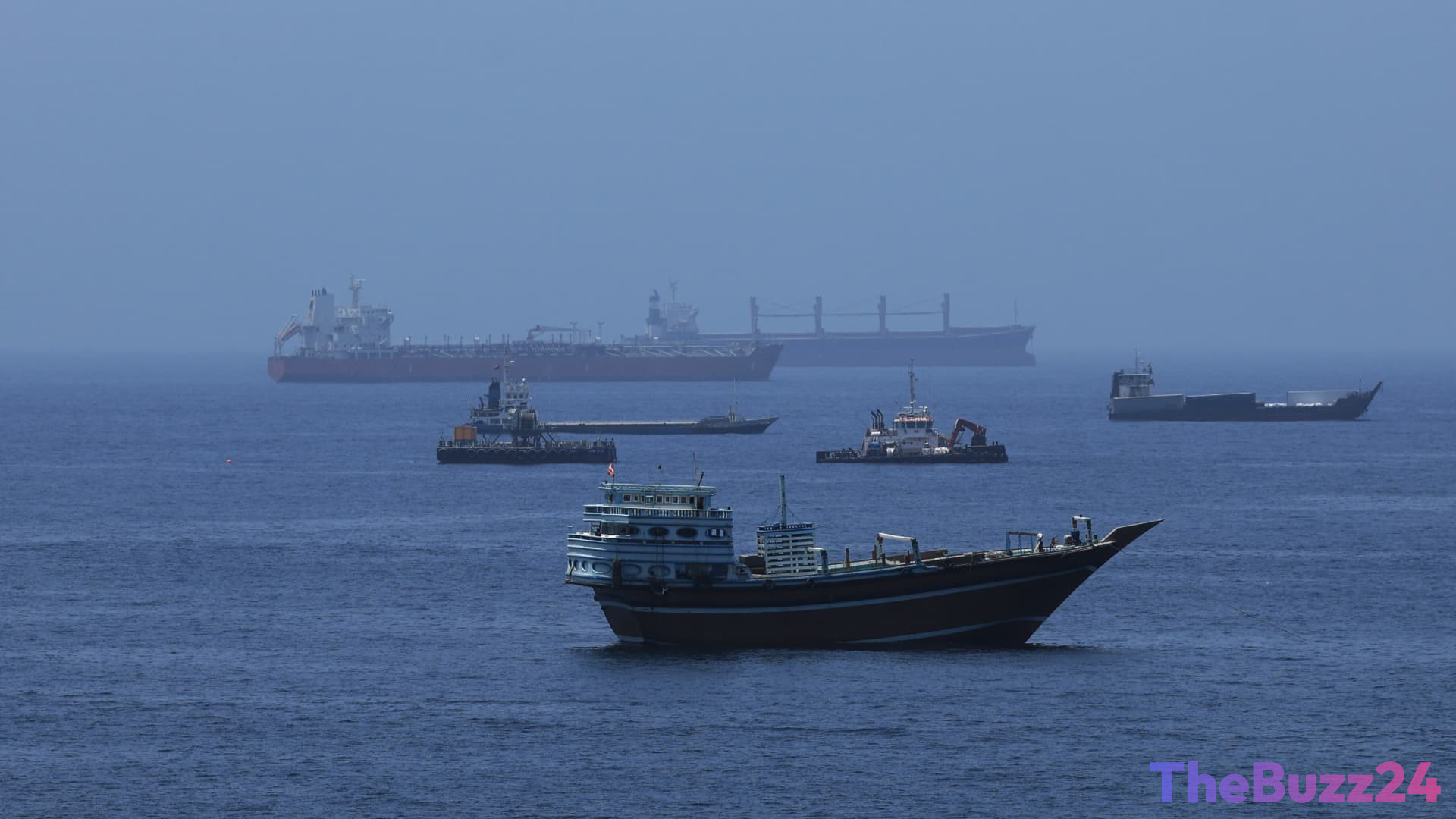
Despite the recent military exchanges, energy markets are increasingly betting on a stabilization of oil flows through the critical Persian Gulf region. Maritime traffic through the strategic Strait of Hormuz is showing signs of a gradual recovery. Although daily tanker crossings remain below last week’s peak, inbound traffic is beginning to rise, signaling growing confidence among shipowners and insurers that vessels can safely navigate the vital transit corridor.
Key Takeaways
- Oil prices fell on Wednesday, with Brent crude dropping to $70.77 and WTI to $67.67, amid hopes of easing geopolitical tensions.
- Brent crude recorded a near 40% decline for the quarter, marking its worst quarterly performance since the 2020 pandemic.
- Indirect talks between the U.S. and Iran in Doha, mediated by Qatar, have resumed following recent military exchanges in the Persian Gulf.
Editor’s Analysis & Impact
The sharp decline in Brent crude highlights how quickly geopolitical risk premiums can evaporate when diplomatic channels open. While the recent military exchanges between the U.S. and Iran initially stoked fears of a wider conflict, the rapid transition to indirect talks in Doha suggests both nations are eager to avoid a full-scale energy crisis. For the broader market, a near 40% quarterly drop in Brent indicates that supply abundance and slowing global demand are reclaiming their roles as primary price drivers. If negotiations yield a concrete framework for denuclearization or sanctions relief, we could see oil prices stabilize in the mid-$60s. However, the situation remains highly fragile; any breakdown in the Doha talks or renewed maritime attacks in the Strait of Hormuz could instantly reverse this downward trend and inject fresh volatility into global energy markets.
Frequently Asked Questions
Q: Why did oil prices experience a sharp decline recently?
A: Oil prices fell due to easing geopolitical tensions in the Middle East as indirect negotiations between the U.S. and Iran in Doha showed signs of progress, reducing fears of supply disruptions.
Q: How poorly did Brent crude perform this quarter?
A: Brent crude fell nearly 40% over the quarter, marking its worst quarterly performance since the market disruptions of 2020.
Q: What is the status of shipping in the Strait of Hormuz?
A: Shipping activity is gradually recovering, with inbound tanker traffic picking up as shipowners regain confidence in the safety of the Persian Gulf transit routes.
AI Disclosure: This article is based on verified data and official reports. Our Team and AI have cross-referenced every financial detail with primary sources to ensure total accuracy.
More from this Category