Google Unveils Antigravity 2.0: Revolutionizing Code Development with AI Agents and Integrated Search
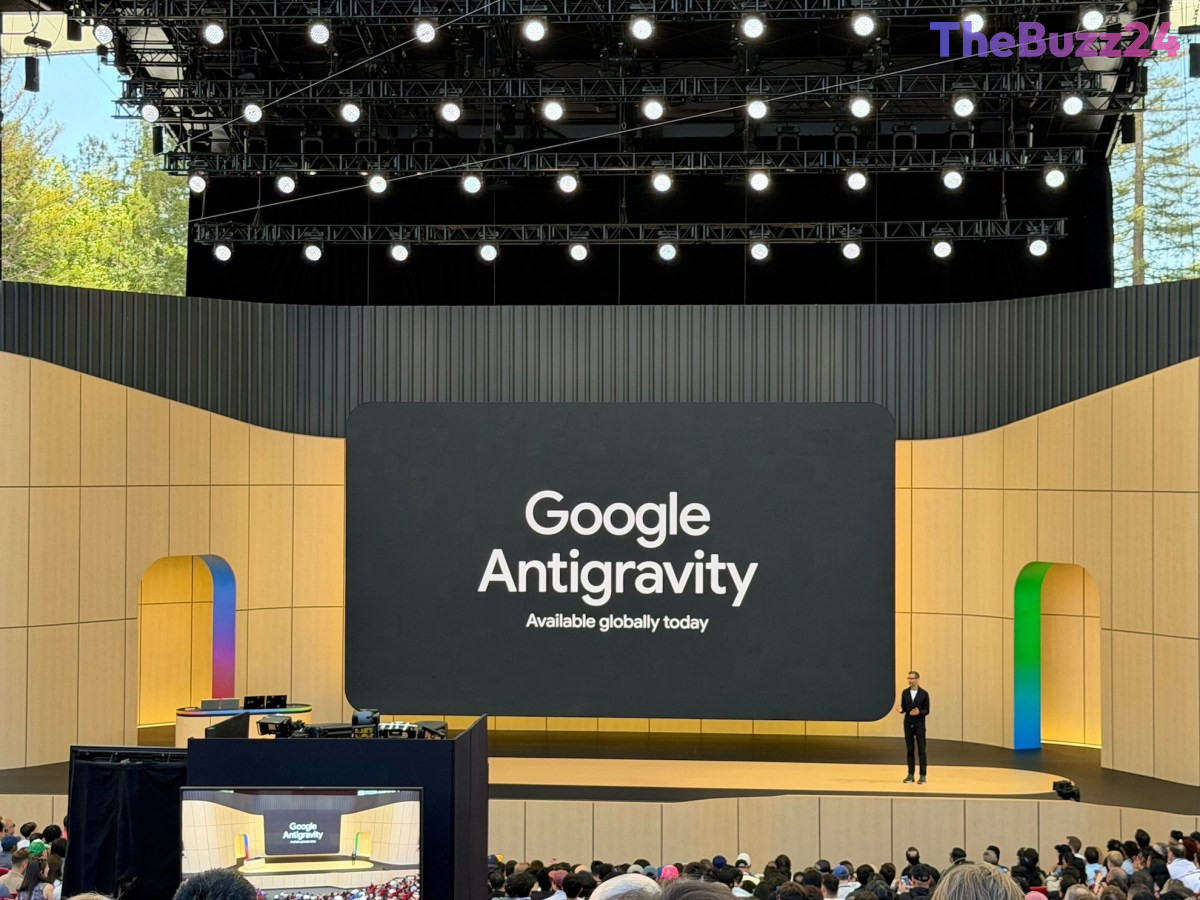
Google has officially launched Antigravity 2.0, a significant advancement in its agentic coding platform, at the 2026 IO developer conference. This new iteration aims to compete with established tools by introducing a dedicated desktop application, a robust command line interface (CLI), and a comprehensive Software Development Kit (SDK). These components are designed to enable developers to manage complex, multi-agent workflows that operate autonomously in the background, thereby accelerating the software development process.
The platform is powered by the newly released Gemini 3.5 Flash model, a notable achievement as this AI model was itself developed utilizing the Antigravity framework. Google is emphasizing accessibility by incorporating native voice commands and the dedicated CLI, signaling a departure from traditional coding interfaces. For businesses, the new SDK allows for the creation of custom agents, with deep integration into Google Cloud and pre-built templates in AI Studio designed to simplify project deployment.
In a strategic move to blur the lines between everyday search and practical development, Google is embedding Antigravity’s capabilities directly into its search engine. This innovation allows users to generate interactive mini-applications in real-time while researching topics, effectively transforming standard search results into dynamic coding environments. To support these expanded functionalities, Google has also revised its subscription offerings, introducing a new $100 AI Ultra plan and adjusting its premium tier to $200, providing users with more flexible usage parameters.
Key Takeaways
- Google's Antigravity 2.0 introduces a desktop app, CLI, and SDK for advanced multi-agent coding workflows.
- The platform utilizes the Gemini 3.5 Flash model, which was developed using the Antigravity system itself.
- Google is integrating coding functionalities into its search engine, enabling on-the-fly creation of interactive mini-apps.
Editor’s Analysis & Impact
The introduction of Antigravity 2.0 underscores Google’s ambition to lead in the burgeoning agentic coding sector, directly challenging competitors. By integrating these powerful development tools into its ubiquitous search engine, Google is democratizing software creation, potentially empowering a vast user base to engage in development. The self-referential development of Gemini 3.5 Flash highlights a potential paradigm shift towards AI-driven recursive development, promising accelerated innovation cycles. The tiered pricing structure suggests a strategic play to capture both enterprise and individual power users, intensifying competitive pressure on existing platforms to adapt and innovate in the rapidly evolving AI development landscape.
Frequently Asked Questions
Q: What are the main components of Antigravity 2.0?
A: Antigravity 2.0 features a new desktop application, a command line interface (CLI), and a Software Development Kit (SDK) to facilitate complex coding workflows.
Q: How does Antigravity 2.0 enhance Google Search?
A: It allows users to generate interactive mini-applications directly from search results, turning the search experience into a dynamic coding environment.
Q: What is the significance of the Gemini 3.5 Flash model in Antigravity 2.0?
A: Gemini 3.5 Flash powers the platform and is notable for having been developed using the Antigravity framework itself, demonstrating a recursive AI development approach.
AI Disclosure: This article is based on verified data and official reports. Our Team and AI have cross-referenced every financial detail with primary sources to ensure total accuracy.
More from this Category