Guinea Mandates Capital-Wide Clean-Up Deadline Following Fatal Landfill Collapse
The government of Guinea has launched an urgent sanitation campaign across Conakry, instructing residents and municipal authorities to clear the capital of refuse before the end of the year. Prime Minister Amadou Oury Bah announced a strict December 31 deadline to address the escalating waste crisis and curb illegal dumping, acting under directives issued by the nation’s president, Mamady Doumbouya.
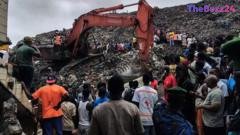
The public mandate follows months of mounting environmental and logistical challenges triggered by a fatal disaster in August, when torrential rains caused a massive collapse at the main landfill in the Dar es Salaam neighborhood. The landslide buried surrounding residences, claiming the lives of 31 people and injuring dozens. The subsequent permanent shutdown of the facility severed the city’s primary disposal route, leaving uncollected debris to amass in suburban neighborhoods and urban roadways.
According to Sanitation Minister Aboubacar Camara, Conakry generates approximately 3,000 tonnes of municipal waste daily. Deficiencies within the collection and transit networks have exacerbated the visible accumulation across the metropolitan area. To establish long-term stability, national authorities have engaged a dedicated waste management operator and outlined transport logistics to move collected debris to a newly designated disposal facility located outside the capital in Baretodé.
In addition to setting an operational timetable, the administration is establishing a national sanitation fund designed to provide sustainable financing for the sector while encouraging local municipalities to treat collection as a youth employment driver. Officials also confirmed long-term rehabilitation plans for the decommissioned Dar es Salaam site, which was also the location of a fatal 2017 collapse, aiming to eventually convert the hazardous grounds into a public urban park.
Key Takeaways
- Guinea has imposed a December 31 deadline to eliminate accumulated waste throughout Conakry following months of mounting urban debris.
- The emergency stems from the permanent closure of the Dar es Salaam landfill after a fatal August landslide claimed 31 lives.
- The government is shifting waste operations to a new facility in Baretodé, creating a national sanitation fund, and planning to convert the disaster site into a public park.
Editor’s Analysis & Impact
The waste crisis in Conakry underscores a critical structural issue facing rapidly expanding West African urban centers: infrastructure failing to keep pace with demographic expansion. Conakry’s daily production of 3,000 tonnes of trash without modern recycling or disposal facilities created a disaster waiting to happen. While the December 31 deadline reflects political urgency, meeting this goal will test the operational capabilities of local municipalities and newly contracted operators. Transitioning waste processing to Baretodé and setting up a dedicated national sanitation fund are necessary long-term steps. If successfully managed alongside promised job-creation programs for youth, Guinea could turn an acute environmental and public safety liability into a resilient, modernized municipal management framework.
Frequently Asked Questions
Q: What prompted the urgent clean-up directive in Conakry?
A: The directive follows the August collapse of the city's primary Dar es Salaam landfill, which killed 31 people. The subsequent permanent closure of the site left Conakry without an adequate waste disposal outlet, causing severe refuse accumulation across city streets.
Q: Where will Conakry's waste be taken now?
A: The Guinean government has formalized plans with a waste management operator to transfer refuse from transit and sorting centers to a newly designated disposal site situated outside the capital in Baretodé.
Q: What will happen to the former Dar es Salaam landfill site?
A: Prime Minister Amadou Oury Bah stated that the government intends to rehabilitate the closed disaster area and convert the property into a public urban park.
AI Disclosure: This article is based on verified data and official reports. Our Team and AI have cross-referenced every financial detail with primary sources to ensure total accuracy.
More from this Category