Google’s Next-Gen XR Glasses: A New Era for Ambient Computing
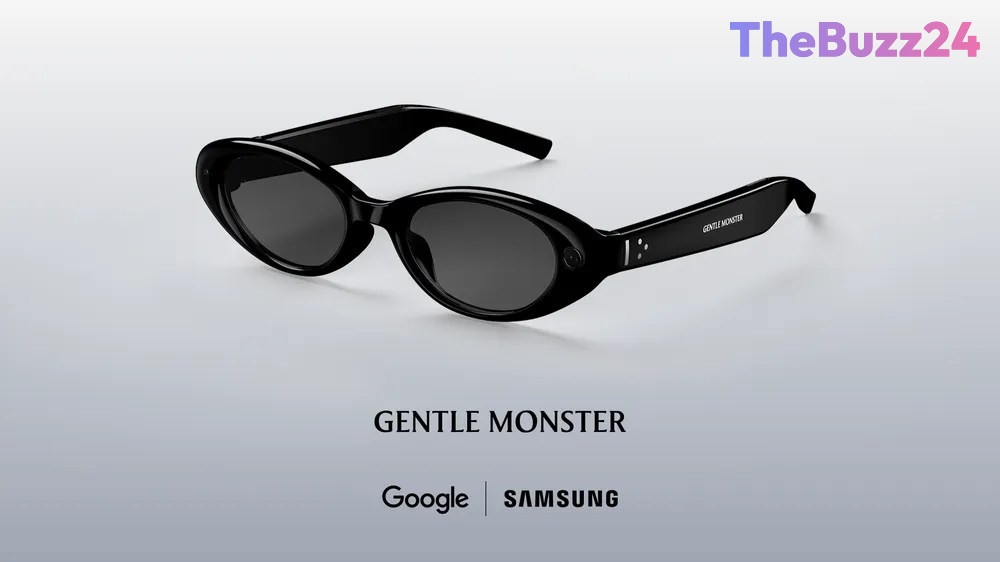
Google is advancing the frontier of wearable technology with a sophisticated new prototype of Android XR glasses. Unlike previous audio-centric wearables, this hardware features an integrated in-lens display designed to overlay digital widgets, navigation prompts, and real-time translations directly onto the user’s physical environment. Developed through strategic partnerships with industry leaders like Warby Parker, Gentle Monster, and Samsung, the glasses are engineered for cross-platform compatibility with both Android and iOS ecosystems.
In recent demonstrations, the prototype showcased high-utility features, including real-time language translation that converts spoken foreign languages into English text within the user’s field of view. The device also integrates with Google Maps to provide intuitive, hands-free turn-by-turn navigation. Users can engage with the Gemini AI assistant via touch-sensitive frames, enabling them to identify objects, manage schedules, and capture images without the need to interact with a smartphone.
While the project remains in an experimental phase, the focus is currently centered on optimizing battery efficiency and display clarity. Although early testing has noted minor issues regarding latency and eye strain, the platform’s modular design—supporting both single and dual-lens configurations—points toward a highly versatile future. By prioritizing ambient computing, Google aims to transition AI from a screen-based tool to an unobtrusive, constant companion in daily life.
Key Takeaways
- Google's new XR glasses feature an in-lens display that overlays digital information directly onto the real world.
- The device utilizes the Gemini AI assistant to perform hands-free tasks like real-time translation, navigation, and object identification.
- The prototype is being developed in collaboration with major brands like Samsung and Warby Parker to ensure broad compatibility and design versatility.
Editor’s Analysis & Impact
Google’s foray into advanced XR eyewear represents a strategic pivot toward ‘ambient computing,’ where digital interaction becomes a seamless layer of reality rather than a destination on a smartphone screen. By offloading complex tasks to the Gemini AI assistant, the company is positioning itself to dominate the next generation of personal computing. The collaboration with established eyewear brands suggests a focus on mass-market appeal, addressing the ‘social stigma’ hurdle that previously hindered similar products. However, the success of this platform will hinge on overcoming technical limitations such as battery life and display latency. If Google can successfully miniaturize this technology while maintaining comfort, it could fundamentally disrupt the mobile market, potentially reducing the reliance on handheld devices and setting a new standard for wearable AI integration.
Frequently Asked Questions
Q: Are these glasses compatible with iPhones?
A: Yes, the hardware is designed to integrate seamlessly with both Android and iOS devices.
Q: What can the Gemini AI assistant do on these glasses?
A: The Gemini AI assistant can be used to identify objects, capture photos, manage daily schedules, and provide real-time translations or navigation assistance.
AI Disclosure: This article is based on verified data and official reports. Our Team and AI have cross-referenced every financial detail with primary sources to ensure total accuracy.
More from this Category