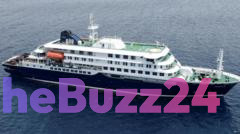
Hantavirus Scare on MV Hondius: Evacuations Underway Amid Concerns of Human-to-Human Spread
A Dutch cruise ship, the MV Hondius, has departed Cape Verde following the medical evacuation of three individuals amidst a hantavirus outbreak. The vessel, operated by Oceanwide Expeditions, is now on a three-day voyage to the Canary Islands with 146 people from 23 different countries still on board, all under strict precautionary measures.
Among those evacuated were a 56-year-old British man, a 41-year-old Dutch crew member, and a 65-year-old German national, all transported to the Netherlands for treatment. While none have yet tested positive for hantavirus, two are exhibiting symptoms. This incident follows three deaths since the ship began its journey from Argentina a month ago. One of the deceased was confirmed to have the virus, while the other two deaths remain under investigation. Notably, one of the evacuees, a German passenger, was reportedly “closely associated” with a German woman who died on board earlier in May.
The situation is particularly concerning as the Andes strain of hantavirus, prevalent in Latin America where the cruise originated, has been identified in some confirmed patients. Health experts believe this strain may have spread between humans in close contact, a rare but documented transmission route for hantavirus, which typically spreads from rodents. Eight cases—three confirmed and five suspected—have been identified among those associated with the ship. Contact tracing efforts are underway for individuals who left the vessel earlier, including a Dutch woman who died in South Africa after disembarking.
Upon its anticipated arrival in Tenerife, the MV Hondius faces opposition from Canary Islands’ president Fernando Clavijo, who has demanded an urgent meeting with Spain’s prime minister, stating he “cannot allow” the boat to enter without sufficient information or technical criteria. Despite this, Spanish authorities have agreed to the ship’s arrival. Spain’s health minister, Mónica García, assured that all on board will undergo medical assessments, with foreign nationals repatriated and Spanish citizens quarantined in a defense hospital in Madrid, emphasizing that these measures will “avoid contact” with local citizens and pose “no risk” to the Canary Islands. Infectious disease experts and staff from a global health organization have joined the ship to assist with the ongoing health protocols.
Key Takeaways
- Three individuals were medically evacuated from the MV Hondius cruise ship due to a hantavirus outbreak, with two showing symptoms upon arrival in the Netherlands.
- The Andes strain of hantavirus, capable of human-to-human transmission, has been identified among passengers, a rare and concerning development for the virus.
- The ship is en route to the Canary Islands under strict health protocols, facing opposition from local authorities, with plans for passenger repatriation and quarantine upon arrival in Spain.
Editor’s Analysis & Impact
The hantavirus outbreak on the MV Hondius cruise ship presents a significant challenge for the global travel industry and public health authorities. The rare human-to-human transmission of the Andes strain could heighten public anxiety about infectious diseases on cruise liners, potentially impacting bookings and necessitating more stringent health screening protocols for passengers and crew. This incident underscores the critical need for robust international cooperation in disease surveillance and rapid response, especially given the global nature of cruise travel. Moving forward, the industry may face increased pressure to implement advanced diagnostic capabilities and isolation procedures, potentially leading to higher operational costs and revised travel advisories. The situation also highlights the complexities of managing health crises across multiple jurisdictions, as seen with the Canary Islands’ opposition.
Frequently Asked Questions
Q: What is Hantavirus and how is it typically spread?
A: Hantavirus is a group of viruses that can cause severe, sometimes fatal, respiratory and kidney diseases. It is typically spread to humans through contact with infected rodents or their urine, droppings, or saliva, often by inhaling aerosolized particles.
Q: Why is this outbreak on the MV Hondius significant?
A: This outbreak is significant because the Andes strain of hantavirus, identified among passengers, is capable of human-to-human transmission, which is a rare occurrence for hantaviruses. This raises concerns about potential spread in close-contact environments like cruise ships.
Q: What measures are being taken for the passengers remaining on board the MV Hondius?
A: The 146 passengers and crew remaining on the MV Hondius are under strict precautionary measures, accompanied by infectious disease experts. Upon arrival in Tenerife, all will undergo medical assessments. Foreign nationals will be repatriated, while Spanish citizens will be quarantined in a defense hospital in Madrid to prevent further community transmission.
AI Disclosure: This article is based on verified data and official reports. Our Team and AI have cross-referenced every financial detail with primary sources to ensure total accuracy.
More from this Category