Hawkish Jackson Hole Address Sparks Rate Hike Expectations and Treasury Tension
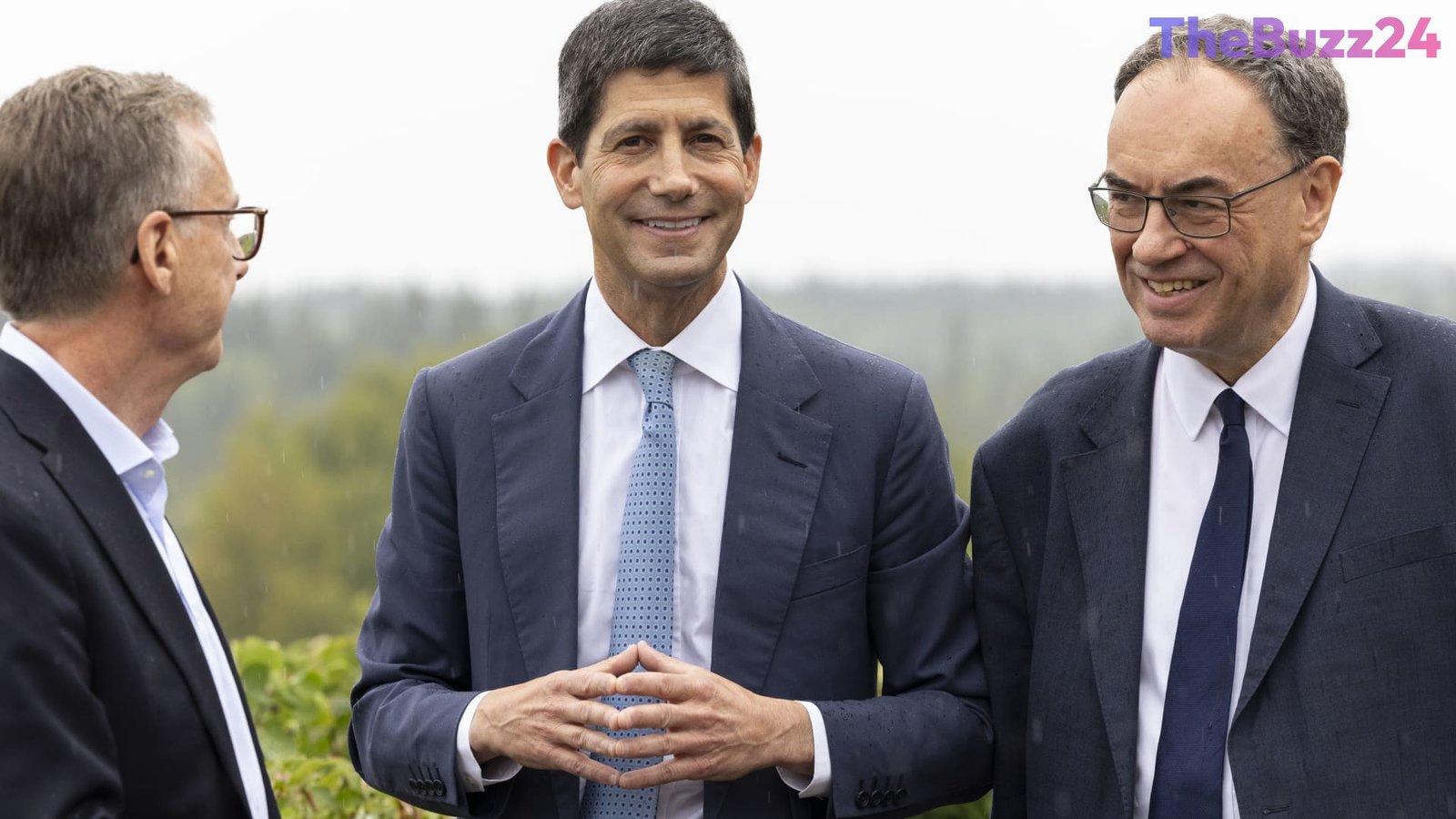
Federal Reserve Chair Kevin Warsh delivered an unexpectedly hawkish address at the annual Jackson Hole economic symposium, significantly shifting market expectations toward further monetary tightening. Warsh emphasized the central bank’s unwavering commitment to its 2% inflation target, signaling that interest rates could rise further if the pace of disinflation remains sluggish. This firm stance has prompted financial markets to price in a higher probability of a quarter-point rate hike at the upcoming September meeting, with expectations climbing to over 60% in the wake of the speech.
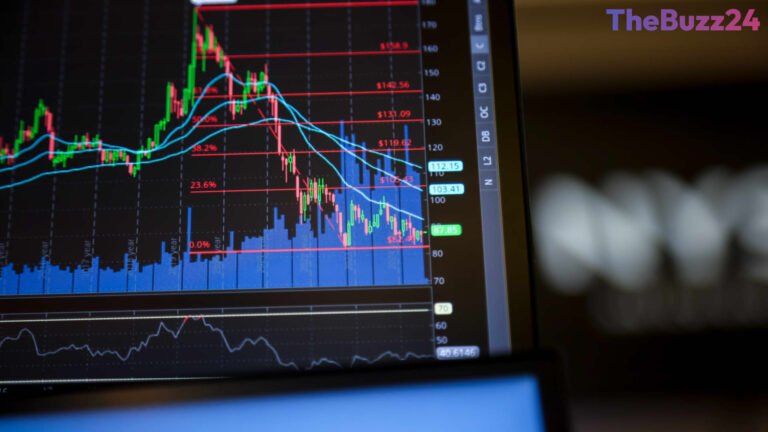
The hawkish tone reverberated across global markets, triggering a sell-off in Asian equities and a notable decline in gold prices, which had previously enjoyed a strong rally. Major financial institutions, including Deutsche Bank, have updated their forecasts to project a total of 50 basis points in rate hikes before the end of the year, anticipating moves in both September and December. Analysts suggest that Warsh’s focus on economic resilience serves to reinforce the Federal Reserve’s independence, reassuring markets that monetary policy will remain insulated from fiscal pressures.
However, the Fed’s aggressive posture is met with skepticism by some market strategists who argue that recent labor market cooling and moderating inflation data do not justify further hikes. Furthermore, the central bank’s strategy may set it on a collision course with the U.S. Treasury. While Warsh advocates for using short-term interest rates as the primary policy tool—potentially shortening the average duration of the Fed’s balance sheet—the Treasury has actively initiated buybacks of long-term securities to prevent long-end yields from surging, highlighting a growing divergence in fiscal and monetary objectives.
Key Takeaways
- Federal Reserve Chair Kevin Warsh's hawkish Jackson Hole speech boosted expectations for a September rate hike to over 60%.
- The central bank's focus on a strict 2% inflation target has pressured gold prices and global equities while strengthening the U.S. dollar.
- A potential policy divergence is emerging between the Fed's short-term rate strategy and the U.S. Treasury's long-term bond buyback program.
Editor’s Analysis & Impact
Kevin Warsh’s hawkish rhetoric at Jackson Hole underscores a persistent anxiety within the Federal Reserve regarding sticky inflation, despite recent cooling trends. By doubling down on the 2% target, the Fed is prioritizing its inflation-fighting credibility over short-term market comfort. However, this aggressive stance risks creating a policy mismatch with the U.S. Treasury. As the Treasury attempts to stabilize long-term yields through buybacks, the Fed’s focus on short-term rate hikes and balance sheet adjustments could steepen the yield curve and increase borrowing costs across the economy. For investors, this means heightened volatility in fixed-income markets and a stronger U.S. dollar, which will continue to act as a headwind for commodities like gold and emerging market equities in the final quarter of the year.
Frequently Asked Questions
Q: Why did Kevin Warsh's speech cause market expectations for a rate hike to rise?
A: Warsh expressed a strong commitment to achieving the Fed's 2% inflation target and warned that policy tightening would continue if disinflation does not progress quickly, leading traders to price in a higher probability of a September hike.
Q: How does the Federal Reserve's current stance conflict with the U.S. Treasury?
A: The Fed's focus on keeping short-term rates high and shortening its balance sheet duration contrasts with the Treasury's efforts to buy back long-term bonds, which is aimed at preventing long-term yields from rising too high.
Q: What was the immediate impact of the speech on global markets?
A: The hawkish outlook strengthened the U.S. dollar, caused a decline in gold prices (reversing previous gains), and led to a sell-off in Asian stock markets.
AI Disclosure: This article is based on verified data and official reports. Our Team and AI have cross-referenced every financial detail with primary sources to ensure total accuracy.
More from this Category