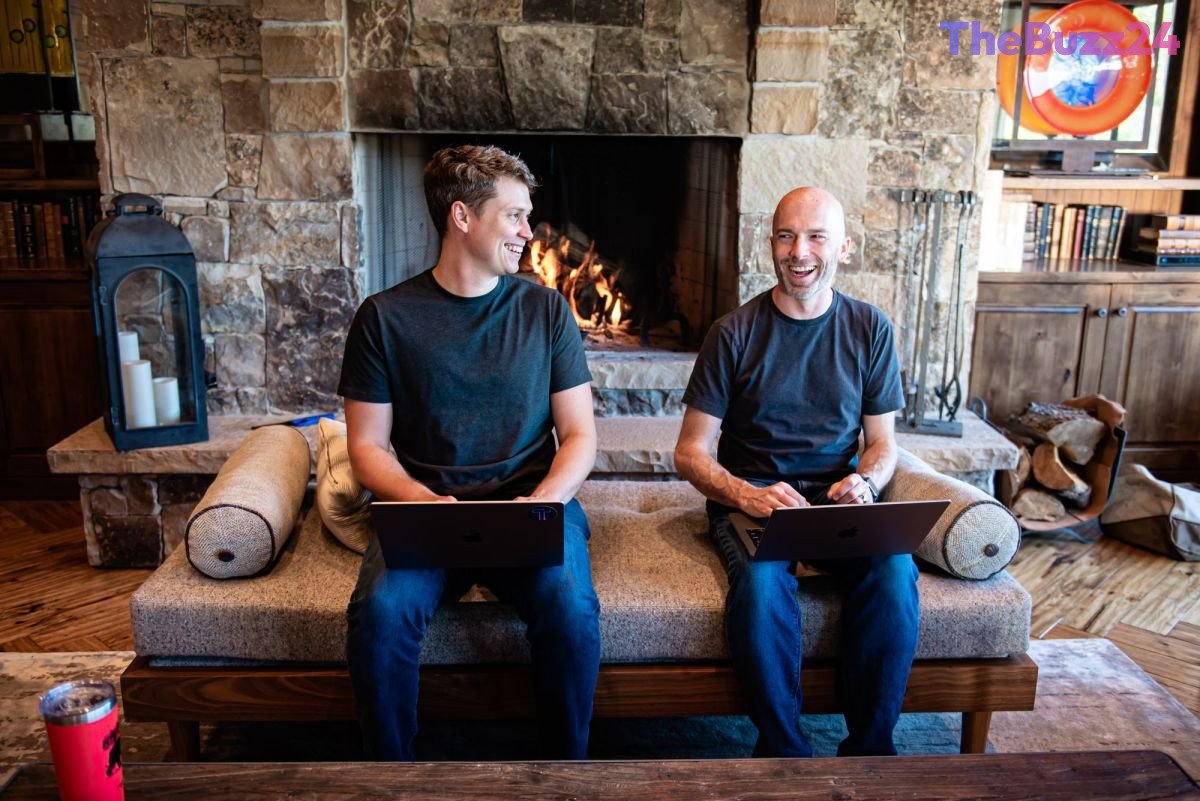
Health Benefits Platform Thatch Secures Unicorn Status With $108 Million Funding Round
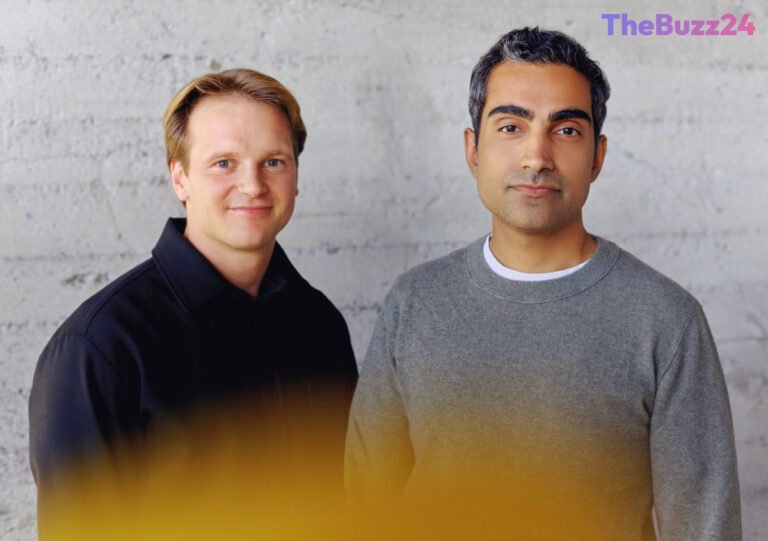
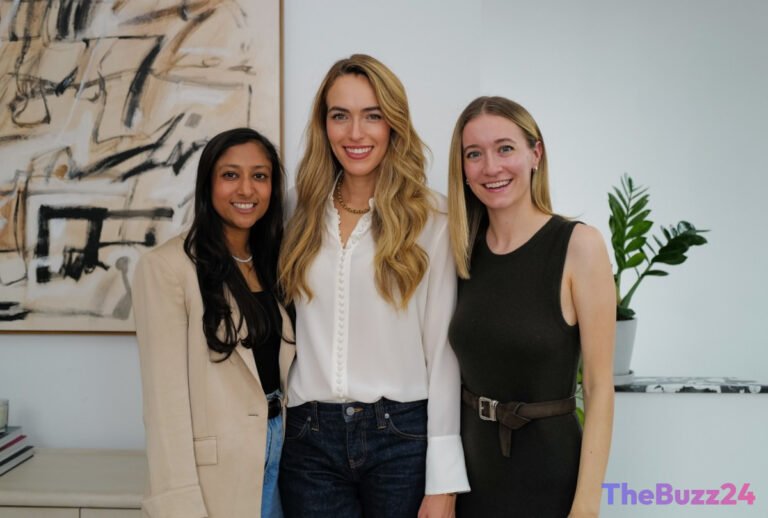
Thatch, an innovative health benefits platform designed to reduce corporate healthcare expenditures while expanding coverage options for employees, has successfully secured $108 million in fresh funding. This substantial capital injection pushes the startup’s valuation to the coveted $1 billion mark. The financing round was backed by prominent existing backers including The General Partnership, Index Ventures, General Catalyst, and Andreessen Horowitz, arriving less than two years after the firm’s previous Series B raise.
The rapid ascent to unicorn status is driven primarily by escalating corporate healthcare expenses and shifting employee demands. Projections indicate that employer healthcare costs are climbing significantly, presenting the steepest financial increases seen in decades. Simultaneously, modern workers are increasingly demanding access to advanced therapeutics and wellness tools, such as GLP-1 weight-loss medications and wearable health devices, which are frequently omitted from legacy group health plans.
To address these systemic challenges, Thatch leverages the Individual Coverage Health Reimbursement Arrangement (ICHRA) framework. Rather than forcing a single, rigid group plan onto an entire workforce, organizations allocate a fixed pre-tax healthcare budget. Employees then utilize Thatch’s digital marketplace—enhanced with intelligent recommendation tools—to select individual medical, dental, and vision policies tailored to their personal health needs.
This personalized model shifts market dynamics by forcing insurance providers to actively compete for individual consumers rather than relying on bundled corporate contracts. Healthy workers can opt for lower-premium coverage and retain surplus funds for alternative wellness expenses, while those requiring intensive care can secure comprehensive policies. As corporate leaders search for sustainable solutions to runaway medical inflation, platforms disrupting the traditional group-health status quo continue to capture massive investor interest.
Key Takeaways
- Thatch achieved a $1 billion valuation after raising $108 million from major existing venture capital backers.
- The platform uses the ICHRA model to let employers provide fixed health budgets instead of traditional group insurance.
- Surging healthcare costs and employee demand for modern treatments like GLP-1 drugs are major catalysts for the company's growth.
Editor’s Analysis & Impact
The rapid valuation leap of Thatch highlights a broader, fundamental shift in how organizations approach employee benefits. Traditional group health insurance models have long been plagued by escalating costs, unpredictable annual renewals, and one-size-fits-all limitations that satisfy few. By capitalizing on regulatory changes like ICHRAs, platforms are successfully consumerizing corporate healthcare. This decentralization exerts healthy competitive pressure on legacy insurance carriers while giving employees unprecedented agency over their personal medical coverage. As healthcare inflation outpaces general economic metrics, solutions that offer cost predictability for employers alongside individualized flexibility for workers are poised to dominate the benefits landscape over the next decade.
Frequently Asked Questions
Q: What is an ICHRA and how does Thatch use it?
A: An ICHRA (Individual Coverage Health Reimbursement Arrangement) allows employers to provide tax-free reimbursements for workers to purchase their own individual health insurance policies. Thatch operates a digital marketplace built around this model, helping companies set fixed budgets and assisting employees in choosing optimal plans.
Q: How does Thatch help lower costs for employers?
A: Employers avoid the burdensome annual renegotiations and steep rate hikes associated with traditional group health plans. Instead, they establish a predictable, fixed financial contribution for each worker, shifting the focus to individual plan shopping.
Q: What happens if an employee selects a cheaper health plan on Thatch?
A: Employees who choose lower-cost plans can often retain surplus funds through a Thatch debit card to pay for other eligible health-related expenses, such as wearable wellness tech or specific medications not covered by standard insurance.
AI Disclosure: This article is based on verified data and official reports. Our Team and AI have cross-referenced every financial detail with primary sources to ensure total accuracy.
More from this Category