High Court Affirms Executive Power to End Humanitarian Protections for Haitians and Syrians
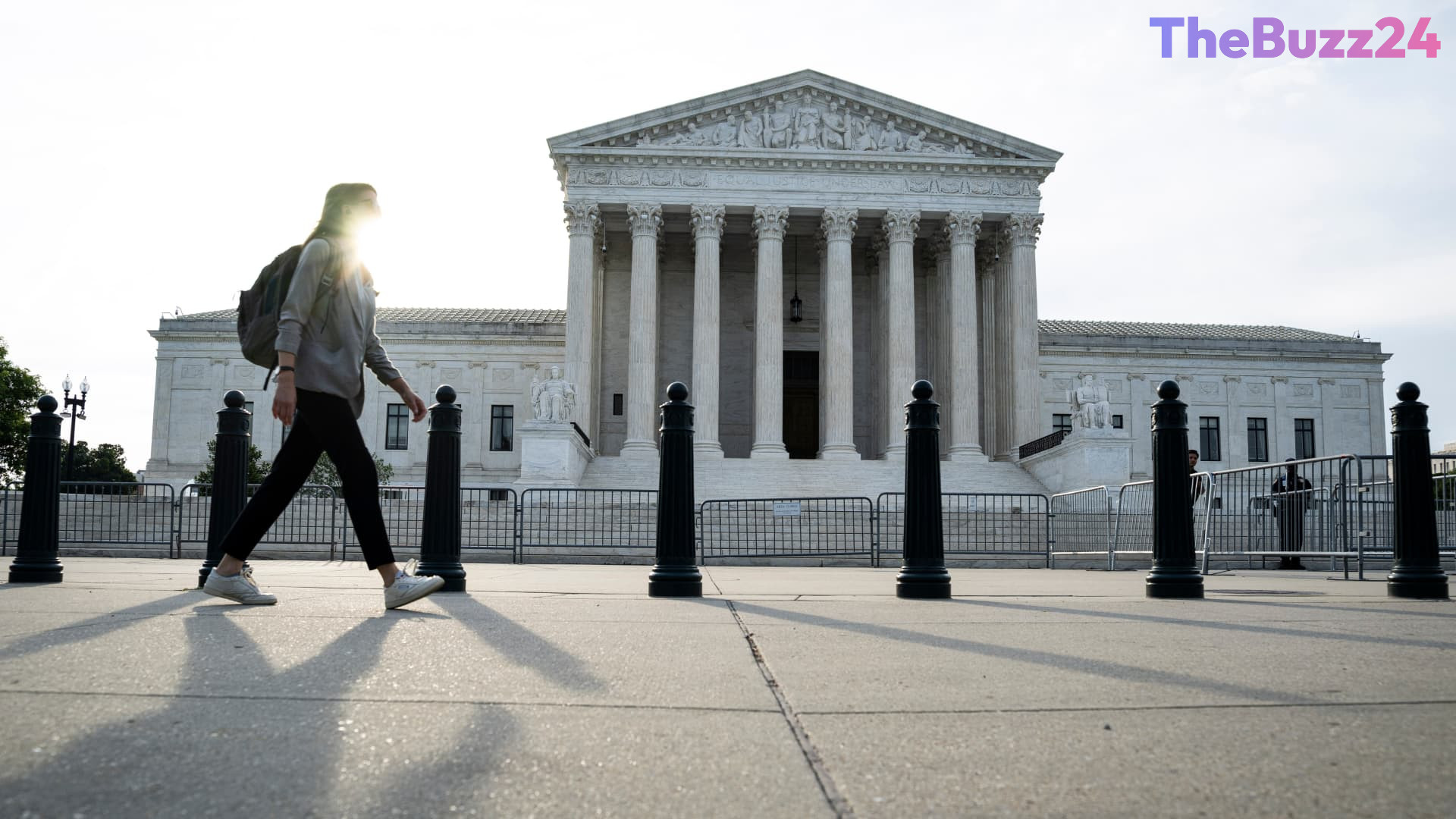
The U.S. Supreme Court has cleared the path for the Trump administration to revoke Temporary Protected Status (TPS) for hundreds of thousands of immigrants from Haiti and Syria. In a 6-3 decision, the conservative majority overturned previous rulings by federal judges in New York and Washington, D.C., which had temporarily blocked the administration’s efforts to terminate TPS for over 350,000 Haitians and 6,100 Syrians. This ruling marks a significant victory for the administration’s stringent immigration policies.
Justice Samuel Alito, writing for the majority, asserted that courts generally lack the authority to review executive branch decisions concerning TPS designations. He stated that the law governing TPS “plainly bars” such judicial oversight, potentially limiting future legal challenges against similar revocations. Alito also indicated that arguments alleging racial bias in the administration’s actions, which would violate the U.S. Constitution’s Fifth Amendment, were unlikely to succeed. The court’s three liberal justices dissented from the majority opinion.
Temporary Protected Status is a humanitarian designation allowing individuals from countries experiencing armed conflict, natural disasters, or other extraordinary conditions to live and work in the United States without fear of deportation until it is safe to return home. Haiti first received TPS following a devastating earthquake in 2010, while Syria was granted the status after its descent into civil war in 2012. The U.S. State Department currently advises against travel to both nations due to widespread violence, crime, terrorism, and kidnapping.
This decision aligns with the Trump administration’s broader strategy to curtail both legal and illegal immigration. The Supreme Court previously allowed the administration to end TPS for Venezuelans and has consistently backed its efforts to implement various immigration policies, including the “metering” policy for asylum seekers at the U.S.-Mexico border. Lower courts had previously ruled against the TPS terminations, citing the administration’s alleged failure to follow mandatory protocols for assessing country conditions and potential racial animus, particularly in decisions made by former Department of Homeland Security Secretary Kristi Noem. However, the administration maintained it followed proper procedures and that its TPS determinations should not be second-guessed by the judiciary.
Key Takeaways
- The Supreme Court upheld the Trump administration's authority to terminate Temporary Protected Status (TPS) for hundreds of thousands of immigrants from Haiti and Syria.
- The 6-3 ruling, authored by Justice Samuel Alito, concluded that courts generally cannot review executive decisions regarding TPS and found claims of racial bias unlikely to succeed.
- This decision reinforces the executive branch's power in immigration matters and aligns with the Trump administration's broader efforts to roll back humanitarian protections.
Editor’s Analysis & Impact
This Supreme Court ruling significantly bolsters the executive branch’s discretion in immigration policy, particularly concerning humanitarian protections like Temporary Protected Status. By limiting judicial review, the decision sets a precedent that could make it more challenging to legally contest future TPS revocations for other countries. For the affected Haitian and Syrian communities, this creates immense uncertainty and the potential for mass deportations, impacting their livelihoods and stability. The ruling underscores the conservative majority’s interpretation of executive power and could intensify political debates surrounding immigration reform and the long-term role of humanitarian statuses in U.S. policy. It also highlights the ongoing tension between executive authority and judicial oversight in matters of national security and foreign policy.
Frequently Asked Questions
Q: Q: What is Temporary Protected Status (TPS)?
A: A: Temporary Protected Status (TPS) is a humanitarian immigration benefit granted by the U.S. government to eligible nationals of designated countries who are unable to return safely to their home countries due to conditions such as armed conflict, natural disasters, or other extraordinary and temporary circumstances. TPS allows beneficiaries to live and work legally in the United States for a temporary period.
Q: Q: How many people are affected by this Supreme Court ruling?
A: A: The ruling directly impacts over 350,000 Haitians and 6,100 Syrians who currently hold Temporary Protected Status, making them vulnerable to deportation if the administration proceeds with the termination of their status.
Q: Q: Does this ruling affect TPS holders from other countries?
A: A: While this specific ruling directly addresses TPS for Haiti and Syria, Justice Alito's opinion that courts cannot review executive decisions concerning TPS could set a precedent that limits legal challenges for TPS holders from any of the 17 countries currently designated for the status.
AI Disclosure: This article is based on verified data and official reports. Our Team and AI have cross-referenced every financial detail with primary sources to ensure total accuracy.
More from this Category