High-Speed Rail Collision in Spain Sparks Urgent Safety Investigation
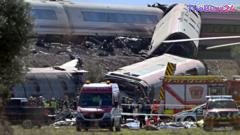
A catastrophic high-speed train collision occurred south of Madrid on Wednesday, leaving passengers dazed and injured after a Renfe train struck the rear of an Iryo service. The incident, which took place between the municipalities of Mora and Orgaz, was preceded by a computer failure in the automatic signaling system that had forced multiple trains to halt along the line. According to transport officials, the disaster unfolded when the Renfe train was erroneously cleared to proceed despite the ongoing congestion.
Witnesses described a scene of chaos as the impact threw passengers from their seats, with some carriages sustaining severe structural damage. Survivors reported debris filling the cabins, seats being torn from their mountings, and in one harrowing instance, a section of rail piercing through the roof of a carriage. Emergency services and local residents quickly mobilized to assist those trapped in the wreckage, providing aid to passengers suffering from broken bones, head trauma, and other severe injuries.
As the investigation into the signaling error begins, public frustration is mounting regarding the reliability of the rail network’s safety protocols. This incident marks the second major rail disaster on the high-speed line this year, following a fatal crash near Córdoba in January. Authorities are now under intense pressure to explain how a modern, automated system could fail to prevent such a collision, as survivors and families of the victims demand accountability for the systemic breakdown that led to the tragedy.
Key Takeaways
- A computer failure in the automatic signaling system led to a high-speed train collision between Renfe and Iryo services.
- The Renfe train was mistakenly ordered to proceed while the track ahead was still occupied, resulting in a rear-end impact.
- This is the second major high-speed rail disaster in Spain this year, prompting urgent questions regarding safety technology and operational oversight.
Editor’s Analysis & Impact
The recent rail disaster in Spain highlights a critical vulnerability in modern high-speed transit infrastructure: the reliance on automated signaling systems that, when failing, can lead to catastrophic human error. From a market perspective, this incident will likely trigger a massive audit of Spain’s rail signaling technology and operational procedures. The recurring nature of these accidents—following the January disaster—suggests potential systemic issues in maintenance or software integration that could lead to significant regulatory changes and increased capital expenditure requirements for rail operators. Moving forward, the industry will likely face heightened scrutiny regarding the ‘fail-safe’ mechanisms of automated dispatch systems. The long-term impact on public trust in high-speed rail could be substantial, potentially forcing operators to implement redundant manual verification processes, which may temporarily impact efficiency and operational costs across the European rail sector.
Frequently Asked Questions
Q: What caused the high-speed train collision in Spain?
A: The collision was caused by a computer failure in the automatic signaling system, which resulted in a Renfe train being erroneously cleared to proceed while another train was still stopped on the same track.
Q: How many trains were involved in the incident?
A: The accident involved two trains: a Renfe high-speed train carrying 397 passengers and an Iryo private operator train carrying 147 passengers.
AI Disclosure: This article is based on verified data and official reports. Our Team and AI have cross-referenced every financial detail with primary sources to ensure total accuracy.
More from this Category