High-Stakes AI Regulation Deadline Looms as Tech Giants Lobby Washington
A pivotal 60-day deadline set by the White House for federal agencies to develop a comprehensive artificial intelligence framework has arrived. The directive, initially signed in early June, requires government officials to establish clear guidelines for evaluating advanced AI models prior to their public rollout. This fast-approaching benchmark has triggered intense discussions across Silicon Valley and Washington alike, drawing high-profile technology executives to the nation’s capital to help shape the future of regulatory policy.
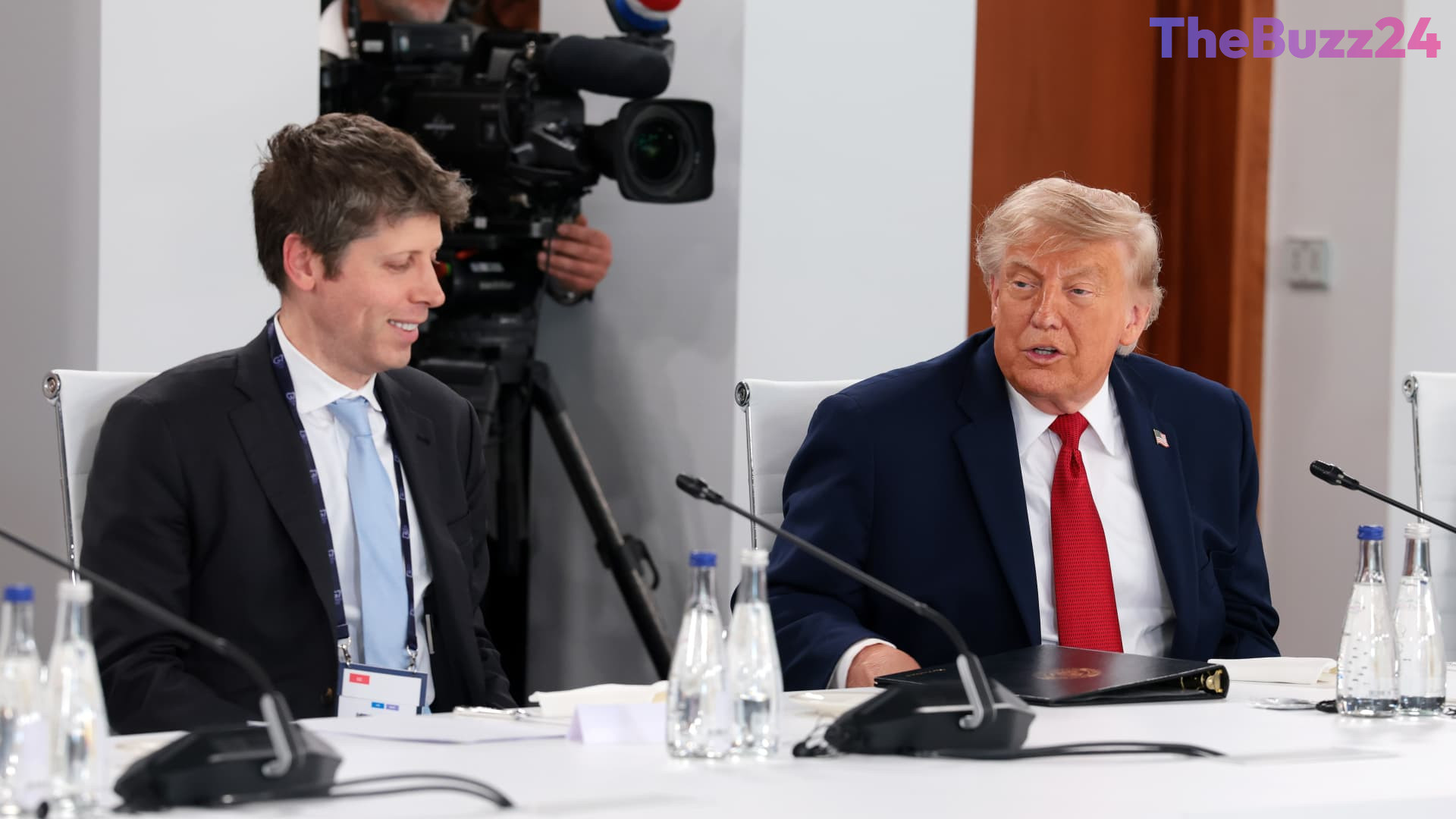
Prominent industry figures, including OpenAI Chief Executive Officer Sam Altman and Nvidia head Jensen Huang, traveled to Washington to engage directly with lawmakers and administration officials. The executive order mandates that AI developers voluntarily submit their models for government assessment, focusing specifically on cybersecurity capabilities and classifying advanced systems. Key cabinet members, including the Treasury, Defense, and Commerce Secretaries, along with the White House Chief of Staff, have been tasked with finalizing these critical implementation details.
Simultaneously, the domestic technology sector faces mounting pressure regarding international competition, particularly from rapidly advancing open-weight models originating in China. These cost-effective alternatives have sparked a fierce debate over potential government restrictions or bans. In a rare display of solidarity, major tech leaders unified to oppose any such prohibitions, with Nvidia publishing an open letter urging policymakers to avoid premature limitations. While companies like Microsoft, Meta, and Palantir rallied behind the push for open innovation, the unfolding regulatory landscape continues to challenge industry leaders as they navigate export controls and deployment limitations.
Key Takeaways
- Federal agencies face a critical 60-day deadline to establish a new artificial intelligence regulatory framework.
- Prominent tech executives, including Sam Altman and Jensen Huang, engaged with Washington officials to influence policy decisions.
- Major technology companies united to oppose potential government restrictions on open-weight AI models.
Editor’s Analysis & Impact
The convergence of Silicon Valley leadership in Washington highlights a critical inflection point for the artificial intelligence industry. As the government transitions from broad executive orders to enforceable regulatory frameworks, the balance between national security and technological innovation remains delicate. The unprecedented unity among competing tech giants against restrictions on open-weight models demonstrates the industry’s shared concern over overreaching state control. Moving forward, the administration’s decisions on benchmarking and export controls will not only dictate the trajectory of domestic firms like OpenAI and Anthropic, but also determine the United States’ competitive standing against international advancements in open-source AI infrastructure.
Frequently Asked Questions
Q: What was the purpose of the 60-day deadline set by the White House?
A: The deadline required federal agencies to develop a key implementation framework for evaluating advanced artificial intelligence models before their public release.
Q: Why are tech executives opposing restrictions on open-weight models?
A: Industry leaders argue that premature restrictions or bans on open-weight models would stifle innovation and hinder the ability of domestic companies to compete globally against cost-efficient alternatives.
Q: Which government officials are responsible for finalizing the AI framework?
A: The framework's specifics are being ironed out by key administration figures, including the Treasury Secretary, Defense Secretary, Commerce Secretary, and the White House Chief of Staff.
AI Disclosure: This article is based on verified data and official reports. Our Team and AI have cross-referenced every financial detail with primary sources to ensure total accuracy.
More from this Category