Historic Stennis Test Stand Fuels Blue Origin’s New Glenn for Artemis Lunar Return
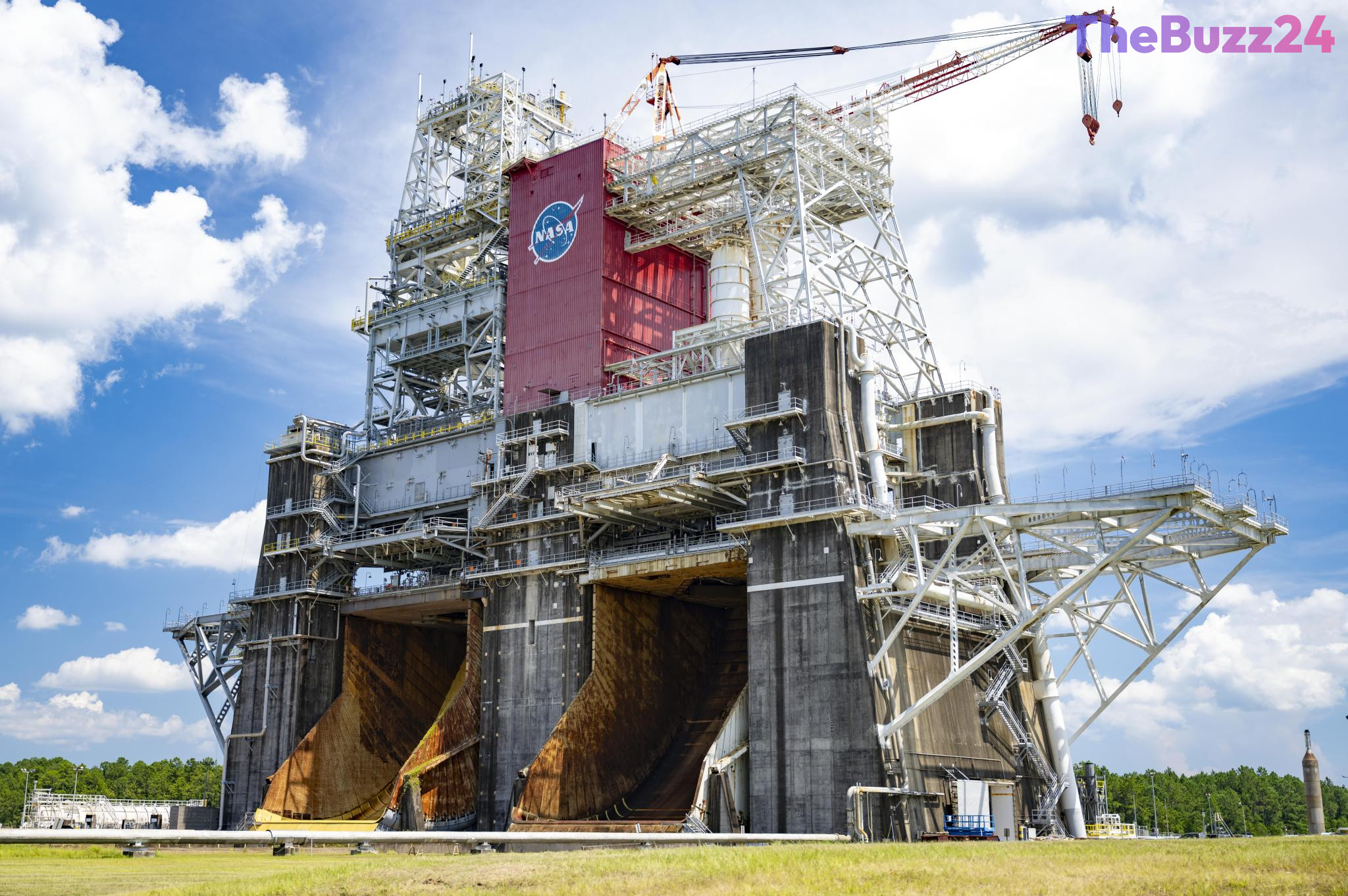
NASA and Blue Origin have formalized an agreement for critical second-stage hot fire testing of Blue Origin’s New Glenn rocket at the agency’s Stennis Space Center near Bay St. Louis, Mississippi. This collaboration, an annex to an existing Space Act Agreement, underscores NASA’s commitment to partnering with commercial entities to advance the ambitious Artemis missions, which aim to return humans to the Moon by 2027 and beyond. The testing, slated to commence this fall, will utilize the historic B-2 test stand, a facility renowned for its role in the Apollo and Space Launch System (SLS) programs.
The partnership is a cornerstone of the national objective to land American astronauts on the lunar surface, establish a sustainable Moon Base near the lunar South Pole, and lay the groundwork for future human missions to Mars. The B-2 test stand, originally constructed in the 1960s for testing Saturn V rocket stages that propelled humans to the Moon during the Apollo Program, offers unparalleled capabilities. NASA Administrator Jared Isaacman emphasized the strategic importance, stating, “Winning the new space race means moving faster and working alongside a strong commercial industry. Supporting Blue Origin at NASA’s Stennis Space Center puts world-class American infrastructure to work advancing the capabilities needed to return astronauts to the Moon, establish a sustained lunar presence, and prepare for Mars.”
Blue Origin’s involvement extends beyond the New Glenn rocket’s launch capabilities. The company is also developing the Blue Moon Mark 1 Endurance lander, which is scheduled to launch a robotic mission this fall to deliver NASA payloads to the lunar South Pole’s Shackleton Connecting Ridge. This robotic mission is designed to demonstrate crucial capabilities and mitigate risks for astronauts landing on the Moon during the Artemis IV and V missions in 2028. Blue Origin CEO Dave Limp expressed pride in the partnership, noting, “Stennis helped take Americans to the Moon, and through this partnership, it will help take us back.”
To facilitate these vital tests, NASA will provide comprehensive support, including engineers, equipment, and building services necessary to prepare the B-2 stand for the New Glenn’s second-stage testing. The rocket’s second stage, named in honor of astronaut John Glenn, is powered by two BE-3 engines, each generating 200,000 pounds of thrust using liquid oxygen and liquid hydrogen propellants. Beyond infrastructure, NASA will also offer dedicated workspace and share invaluable expertise and lessons learned from decades of propulsion testing at the facility. This partnership has garnered strong support from local officials, with Senator Roger Wicker noting, “Stennis continues to be a hub for the commercial space industry,” and Senator Cindy Hyde-Smith expressing hope for a “long-term arrangement that broadens our state’s contribution to space exploration.” Representative Mike Ezell also highlighted Mississippi’s “vital role in America’s space program,” underscoring the collaborative effort to strengthen American leadership in space exploration.
Key Takeaways
- NASA and Blue Origin have partnered for critical second-stage hot fire testing of Blue Origin’s New Glenn rocket at Stennis Space Center.
- This collaboration is pivotal for advancing NASA's Artemis program, aiming to establish a sustained human presence on the Moon and prepare for Mars missions.
- The testing leverages the historic B-2 test stand, with NASA providing extensive technical and logistical support to Blue Origin's rocket development and lunar lander missions.
Editor’s Analysis & Impact
This collaboration signifies a deepening trend of public-private partnerships in the space industry, crucial for accelerating ambitious exploration goals while distributing development costs. It solidifies Blue Origin’s position as a major commercial partner for NASA, particularly in the heavy-lift launch and lunar landing segments, fostering competition and innovation within the commercial space sector.
The testing of New Glenn at Stennis is a critical step towards realizing the Artemis program’s objectives, including returning astronauts to the Moon and establishing a lunar base. Success here will de-risk future missions and potentially expedite the timeline for sustained lunar operations and eventual Mars endeavors, enhancing the U.S.’s long-term space exploration capabilities.
Beyond technical advancements, this partnership reinforces American leadership in space, stimulates economic growth through high-skilled job creation, and leverages existing national infrastructure for cutting-edge development. It demonstrates a strategic model for future large-scale scientific and exploratory projects.
Frequently Asked Questions
Q: What is the New Glenn rocket?
A: New Glenn is a heavy-lift orbital launch vehicle developed by Blue Origin, named after astronaut John Glenn. It is designed to launch satellites and transport humans and cargo to Earth orbit, the Moon, and beyond. Its second stage, powered by two BE-3 engines, is the focus of the upcoming tests at Stennis.
Q: How does this partnership support the Artemis program?
A: The testing of New Glenn's second stage is crucial for developing reliable launch capabilities needed for Artemis missions. New Glenn is expected to launch missions that will land on the Moon, and Blue Origin's Blue Moon lander is also part of the program, delivering payloads to the lunar surface to prepare for astronaut landings.
Q: What is the historical significance of the B-2 test stand at Stennis Space Center?
A: The B-2 test stand is a historic facility built in the 1960s to test the massive Saturn V rocket stages that powered the Apollo missions to the Moon. More recently, it was used for the Green Run test series of the Space Launch System (SLS) core stage before the Artemis I flight, making it a cornerstone of American deep space propulsion testing.
AI Disclosure: This article is based on verified data and official reports. Our Team and AI have cross-referenced every financial detail with primary sources to ensure total accuracy.
More from this Category