Honoring the Forgotten: Nearly 10,000 WWI Soldiers from Pre-Partition India Finally Recognized
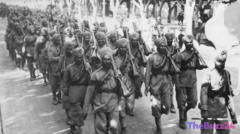
In the largest update to casualty records in over eight decades, the Commonwealth War Graves Commission (CWGC) has officially added the names of 9,909 British Indian Army servicemen to its official database. These soldiers, hailing from pre-partition India—encompassing modern-day India, Pakistan, and Bangladesh—served and died during World War One but were previously omitted from official commemoration lists. The breakthrough comes after years of meticulous research by dedicated volunteers who combed through historical registers compiled in the Punjab region shortly after the war.
During the First World War, approximately 1.4 million people from the South Asian subcontinent served in the British Indian Army. In the post-war years, colonial officials traveled across Punjab to document the fates of some 320,000 servicemen from the region. These hand-written records, preserved in fragile, leather-bound volumes at the Lahore Museum in Pakistan, were digitized and analyzed by the UK Punjab Heritage Association. This painstaking effort has finally allowed historians to correct historical omissions, particularly for soldiers who died of their wounds away from the active battlefields and were denied war grave status under colonial-era regulations.
For many descendants, this update brings a profound sense of closure and connection. Sunney Palahey, a dentist from Leicester, spent years searching for information about his great-grandfather, Kesar Singh, who went to war and never returned. Thanks to the newly digitized Punjab Registers, Singh’s sacrifice has now been formally recognized by the CWGC. Similarly, Jasmin Basra, a PhD student at the University of Greenwich who helped analyze the records, unexpectedly discovered the names of her own great-great-grandfather and his brother among the entries, bridging a personal gap between her British-Punjabi identity and global history.
The newly recognized servicemen represent a diverse coalition of faiths, with approximately 40% being Muslim, 25% Sikh, and 25% Hindu. The CWGC emphasized that this massive update is part of a broader, ongoing initiative to challenge and redress Euro-centric narratives of World War One. By documenting these forgotten lives, the commission aims to ensure that official commemorations accurately reflect the diverse, global reality of the conflict and honor all those who made the ultimate sacrifice.
Key Takeaways
- The Commonwealth War Graves Commission has added 9,909 British Indian Army soldiers to its official casualty database, marking the largest update in over 80 years.
- The breakthrough was made possible by digitizing fragile, hand-written post-WWI registers stored at the Lahore Museum in Pakistan.
- The update aims to correct colonial-era exclusions of soldiers who died of injuries away from the battlefield, offering long-awaited closure to their descendants.
Editor’s Analysis & Impact
This landmark update by the Commonwealth War Graves Commission represents a critical step forward in decolonizing historical narratives of the First World War. For decades, Euro-centric perspectives have dominated the public memory of the conflict, frequently overshadowing the immense contributions of over a million South Asian soldiers who fought under the British Crown. By systematically digitizing regional archives like the Punjab Registers, historians are not only correcting administrative oversights but also restoring agency and dignity to marginalized communities. This initiative sets a powerful precedent for other historical institutions to re-examine colonial-era archives. Moving forward, we can expect a broader cultural shift where global conflicts are commemorated with a more inclusive, accurate representation of the diverse forces that shaped modern history.
Frequently Asked Questions
Q: Why were these 9,909 soldiers originally excluded from the official war casualty records?
A: Most of these servicemen died of their injuries away from the active battlefields. Under the colonial-era regulations of the British Indian Government at the time, these individuals were not granted official war grave status, leading to their omission from initial commemoration lists.
Q: How were the names of these forgotten soldiers recovered?
A: Volunteers from the UK Punjab Heritage Association spent years digitizing and analyzing fragile, hand-written registers compiled in Punjab shortly after WWI. These records are currently housed in the Lahore Museum in Pakistan.
Q: What is the religious demographic of the newly recognized soldiers?
A: The newly added servicemen reflect the diverse makeup of pre-partition India, consisting of approximately 40% Muslim, 25% Sikh, and 25% Hindu soldiers, alongside other communities.
AI Disclosure: This article is based on verified data and official reports. Our Team and AI have cross-referenced every financial detail with primary sources to ensure total accuracy.
More from this Category