The Global Ascent: How Chinese Consumer Brands Are Redefining International Markets
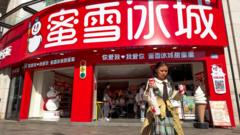
A transformative wave of Chinese enterprises is currently reshaping the global retail landscape, transitioning from traditional low-cost manufacturing roles to becoming influential consumer powerhouses. Brands such as Chagee, Mixue, and Molly Tea are rapidly expanding their presence from Asian markets into major Western hubs like London and Los Angeles. This strategic pivot highlights a significant evolution in business models, as these firms leverage decades of supply chain expertise to challenge established international incumbents directly.
Driven by a highly saturated domestic market and intense internal competition, Chinese companies are increasingly adopting a ‘going out to sea’ strategy. This expansion is evident across multiple sectors; for instance, BYD has disrupted the automotive industry through aggressive electric vehicle innovation, while retailers like Miniso and sportswear giants like Anta are utilizing sophisticated distribution networks to secure global market share. By focusing on design-led innovation and value, these brands are successfully shedding outdated perceptions of Chinese manufacturing.
Southeast Asia has emerged as a vital proving ground for these companies, allowing them to refine their localization strategies. Brands like Haidilao have demonstrated the effectiveness of adapting service models to meet specific cultural demands, a tactic that has facilitated smoother entries into complex regulatory environments. While geopolitical tensions, trade tariffs, and data security concerns remain significant hurdles, the growing influence of companies like Pop Mart and Luckin Coffee suggests that Chinese brands are no longer merely participants in the global economy, but are increasingly setting the pace for international consumer trends.
Key Takeaways
- Chinese consumer brands are shifting from low-cost manufacturing to becoming global leaders in innovation and retail.
- Intense domestic competition is the primary catalyst driving Chinese firms to expand aggressively into international markets.
- Successful localization and supply chain mastery are enabling these companies to overcome regulatory challenges and cultural barriers in foreign markets.
Editor’s Analysis & Impact
The rapid internationalization of Chinese consumer brands represents a structural shift in the global economy. By moving up the value chain, these companies are forcing Western incumbents to rethink their competitive strategies, particularly in the automotive, retail, and food service sectors. The ability of these firms to scale rapidly while maintaining operational efficiency is a testament to their digital-first approach and supply chain resilience. However, the future outlook remains tempered by geopolitical friction. As these brands gain more market share, they will likely face increased regulatory scrutiny in Western jurisdictions regarding data privacy and trade practices. Ultimately, their long-term success will depend on their ability to navigate these political headwinds while maintaining the agility that allowed them to dominate their home market.
Frequently Asked Questions
Q: What is the 'chuhai' strategy mentioned in the context of Chinese businesses?
A: 'Chuhai,' which translates to 'going out to sea,' refers to the strategic expansion of Chinese companies into international markets to find new growth opportunities outside of their highly competitive domestic environment.
Q: How are Chinese brands overcoming the 'Made in China' stigma?
A: These brands are shifting the narrative by focusing on design-led innovation, high-quality value propositions, and deep localization, which helps them align better with the specific cultural and social expectations of international consumers.
AI Disclosure: This article is based on verified data and official reports. Our Team and AI have cross-referenced every financial detail with primary sources to ensure total accuracy.
More from this Category