How a Cyclospora Outbreak Forced Salad Chains to Rethink the American Lunch
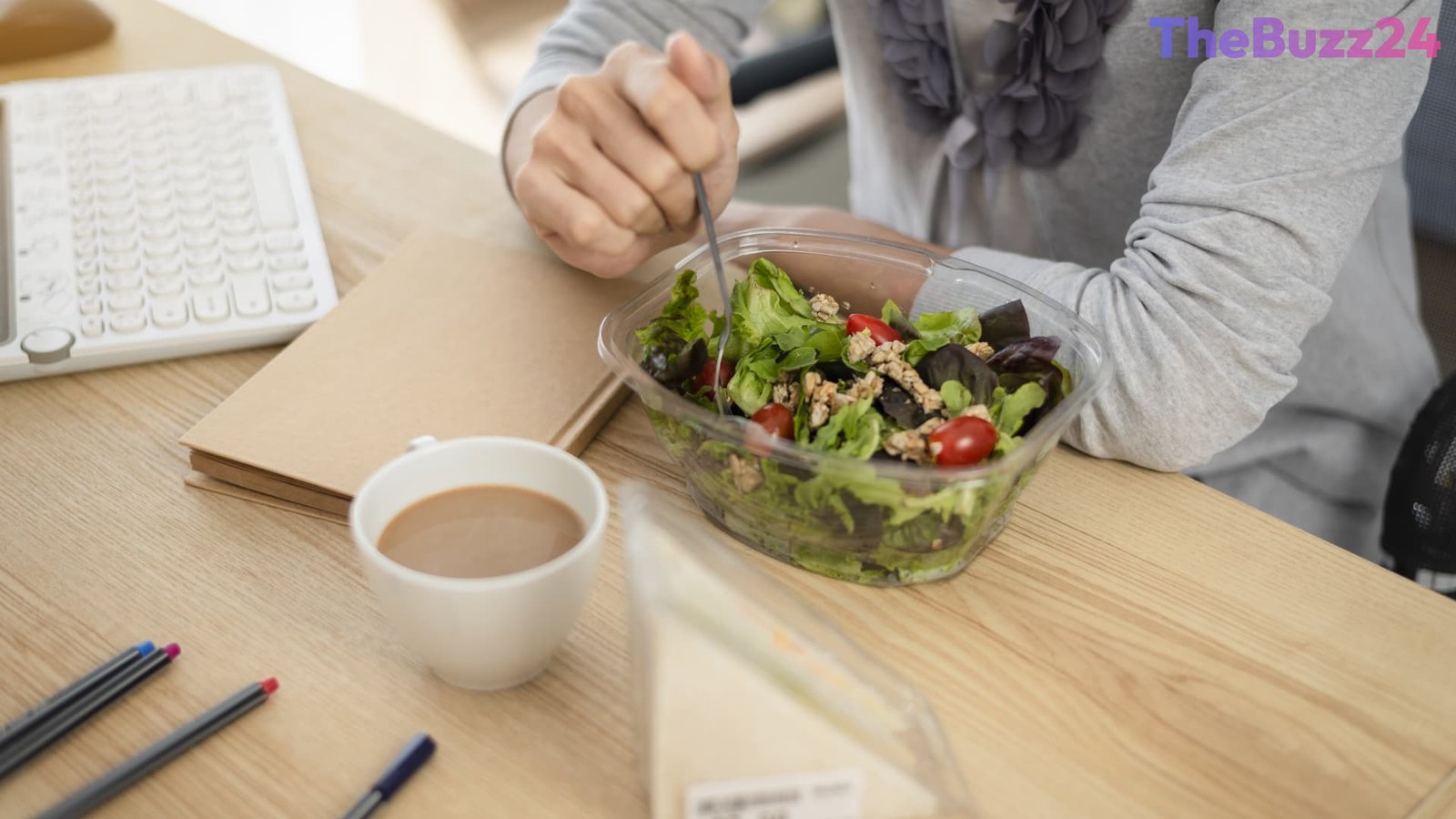
A recent multistate cyclospora outbreak linked to iceberg lettuce from central Mexico has sent shockwaves through the fast-casual dining sector, forcing popular salad chains to radically pivot their marketing strategies. Although major brands like Sweetgreen, Chopt, and Saladworks have not been connected to the contamination, they experienced noticeable drops in foot traffic and declining sales as consumers temporarily grew wary of leafy greens during the peak of the scare.
In response to the sudden behavioral shift, restaurant executives quickly adjusted their menus and promotional campaigns. Saladworks immediately shifted its advertising focus toward protein bowls, soups, and wraps to keep customers walking through the door. Similarly, Sweetgreen stepped up promotions for its non-salad items, emphasizing that businesses cannot simply wait out consumer hesitation. Even corporate catering platforms noted an immediate uptick in requests to swap out lettuce-based dishes for alternative meal options.
Despite the mid-summer slump, the industry is already showing signs of a steady recovery. Foot traffic for affected chains has begun trending upward as public concern subsides and promotional discounts entice diners back. Food industry analysts believe the shift is largely temporary, noting that consumers historically return to their standard dietary habits once health advisories are lifted and confidence in fresh produce is restored.
Key Takeaways
- A multistate cyclospora outbreak linked to iceberg lettuce temporarily depressed foot traffic for major salad chains, despite none of the brands being implicated.
- Prominent restaurants like Saladworks and Sweetgreen rapidly pivoted their marketing to promote protein bowls, wraps, and soups.
- Industry experts anticipate that consumer habits will eventually normalize once the health advisory is fully resolved.
Editor’s Analysis & Impact
The cyclospora outbreak highlights the vulnerability of single-ingredient-focused business models within the fast-casual restaurant sector. When a core product faces a health scare, companies lacking menu diversification suffer immediate revenue contractions and foot traffic declines. However, the rapid pivot executed by brands like Saladworks and Sweetgreen demonstrates the agility required in modern food service. By temporarily leaning into protein bowls and wraps, these companies mitigated long-term brand damage. Looking forward, this event underscores the necessity for fast-casual operators to maintain balanced menus and robust crisis communication strategies to withstand unforeseen supply chain and public health shocks.
Frequently Asked Questions
Q: Were Sweetgreen and Saladworks linked to the cyclospora outbreak?
A: No, neither Sweetgreen, Saladworks, nor Chopt Creative Salad Co. have been linked to the cyclospora outbreak.
Q: How did salad chains adapt to the decline in customer foot traffic?
A: Restaurants quickly shifted their marketing efforts to highlight non-salad alternatives such as protein bowls, soups, wraps, and grain-based dishes, while also offering targeted discounts.
Q: Is the shift away from eating salads expected to be permanent?
A: Food and drink strategists believe the consumer shift is temporary, predicting that diners will return to their regular eating habits once the outbreak is fully resolved.
AI Disclosure: This article is based on verified data and official reports. Our Team and AI have cross-referenced every financial detail with primary sources to ensure total accuracy.
More from this Category