How NASA’s Space Imaging Technology Unlocks Invisible Ancient Art
An innovative digital processing technique originally designed by NASA to analyze planetary surfaces is breathing new life into archaeological research, revealing long-faded ancient artworks previously invisible to the human eye. High inside the central towers of Cambodia’s Angkor Wat temple, centuries-old paintings depicting horseback riders and traditional musicians remain completely obscured to the thousands of daily visitors due to extreme fading. However, these hidden cultural treasures were successfully brought to light using a specialized enhancement method pioneered at NASA’s Jet Propulsion Laboratory.
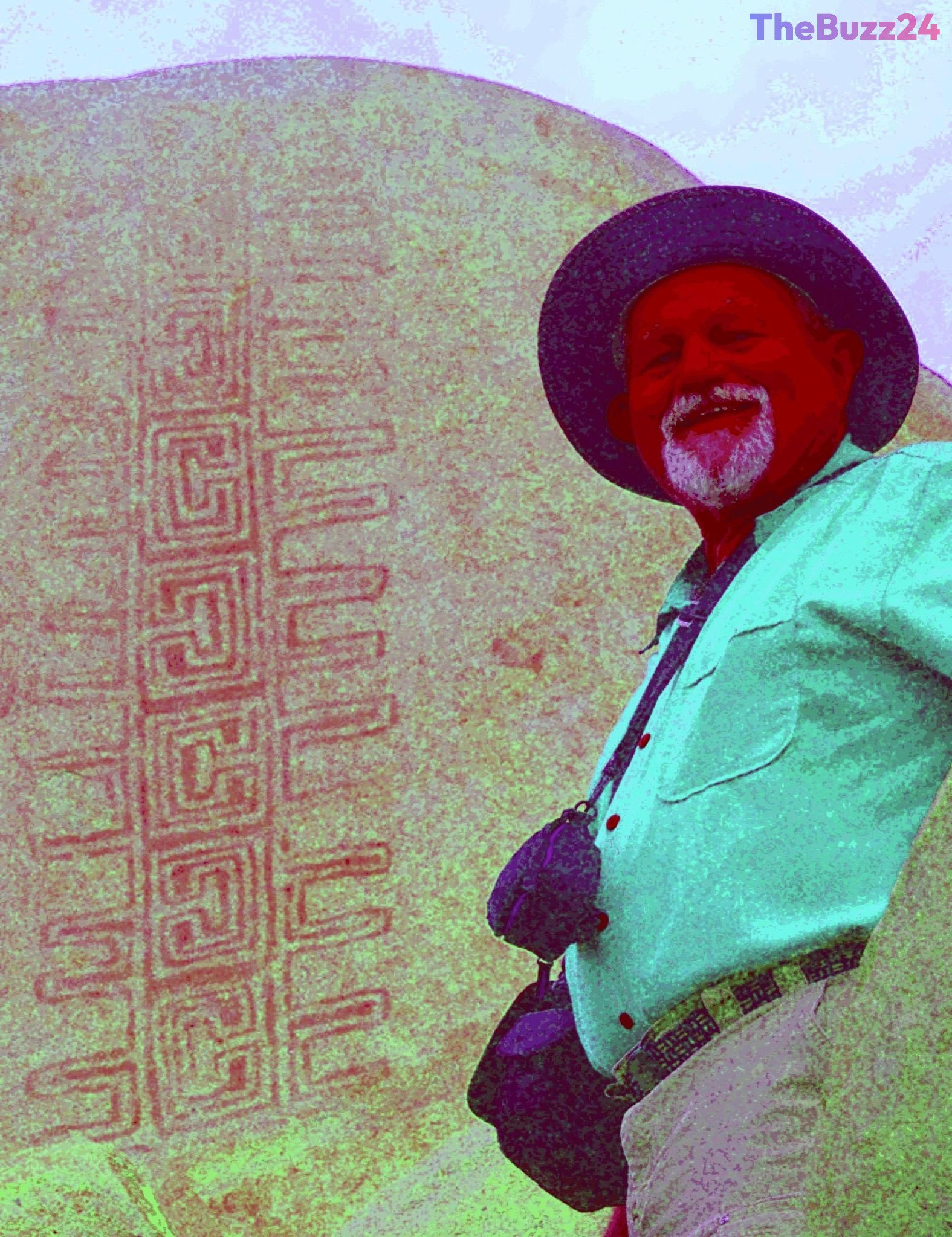
The methodology, formally known as decorrelation stretch, works by dramatically heightening contrasts in digital images to make subtle or hidden features easily discernible. While initially developed to study geological formations and satellite imagery of Mars and Earth, the technology found an unexpected second life in archaeology thanks to rock art enthusiast and retired medical imaging expert Jon Harman. After reviewing a 1996 NASA research paper detailing the mathematical algorithms behind the process, Harman realized the immense potential for uncovering ancient, degraded pigments on cave walls and historical structures.
Adapting the algorithm into an accessible software plug-in called Dstretch, Harman made the tool available to researchers worldwide. Over the years, the application has transcended its original purpose, being utilized to examine ancient rock carvings in Norway, clarify details inside Egyptian tombs, study ancient tattoos on mummified remains, and even locate buried architectural foundations in Greece. The widespread adoption of this space-derived technology highlights the profound, unforeseen benefits of cross-disciplinary scientific research, transforming tools built for the stars into essential instruments for understanding human history.
Key Takeaways
- A NASA image-processing algorithm, originally created to study planetary surfaces, is now being used by archaeologists to reveal faded ancient art.
- Retired medical imaging expert Jon Harman adapted the technique into a software plug-in called Dstretch, making it accessible for historical research.
- Beyond rock art, the technology has been successfully applied to examine ancient mummies, Egyptian tombs, and buried Greek structures.
Editor’s Analysis & Impact
The adaptation of NASA’s decorrelation stretch technology for archaeological exploration underscores the immense value of technology transfer between aerospace engineering and the humanities. Innovations originally funded for space exploration frequently yield secondary commercial and scientific benefits that redefine entire terrestrial industries. As digital imaging algorithms become more sophisticated and accessible via mobile and desktop platforms, field researchers will increasingly rely on non-invasive computational enhancements rather than intrusive physical methods. This trend points toward a future where historical preservation is heavily augmented by artificial intelligence and advanced pixel manipulation, opening new frontiers in our understanding of ancient civilizations without risking damage to fragile artifacts.
Frequently Asked Questions
Q: What is decorrelation stretch?
A: Decorrelation stretch is a digital image processing technique that enhances color separation and contrast in photos, making subtle or faded details much easier to see.
Q: How did NASA's technology get adapted for archaeology?
A: A rock art enthusiast and retired medical imaging expert named Jon Harman read a 1996 NASA paper detailing the algorithm and used his background to create the Dstretch software plug-in for researchers.
Q: Where has Dstretch been used globally?
A: Dstretch has been used to uncover hidden paintings at Angkor Wat in Cambodia, rock art sites in Norway and Mexico, Egyptian tombs, and even to examine tattoos on mummified human remains.
AI Disclosure: This article is based on verified data and official reports. Our Team and AI have cross-referenced every financial detail with primary sources to ensure total accuracy.
More from this Category