Hungary Faces Political Turning Point as Voters Weigh Orban’s Long-Standing Rule
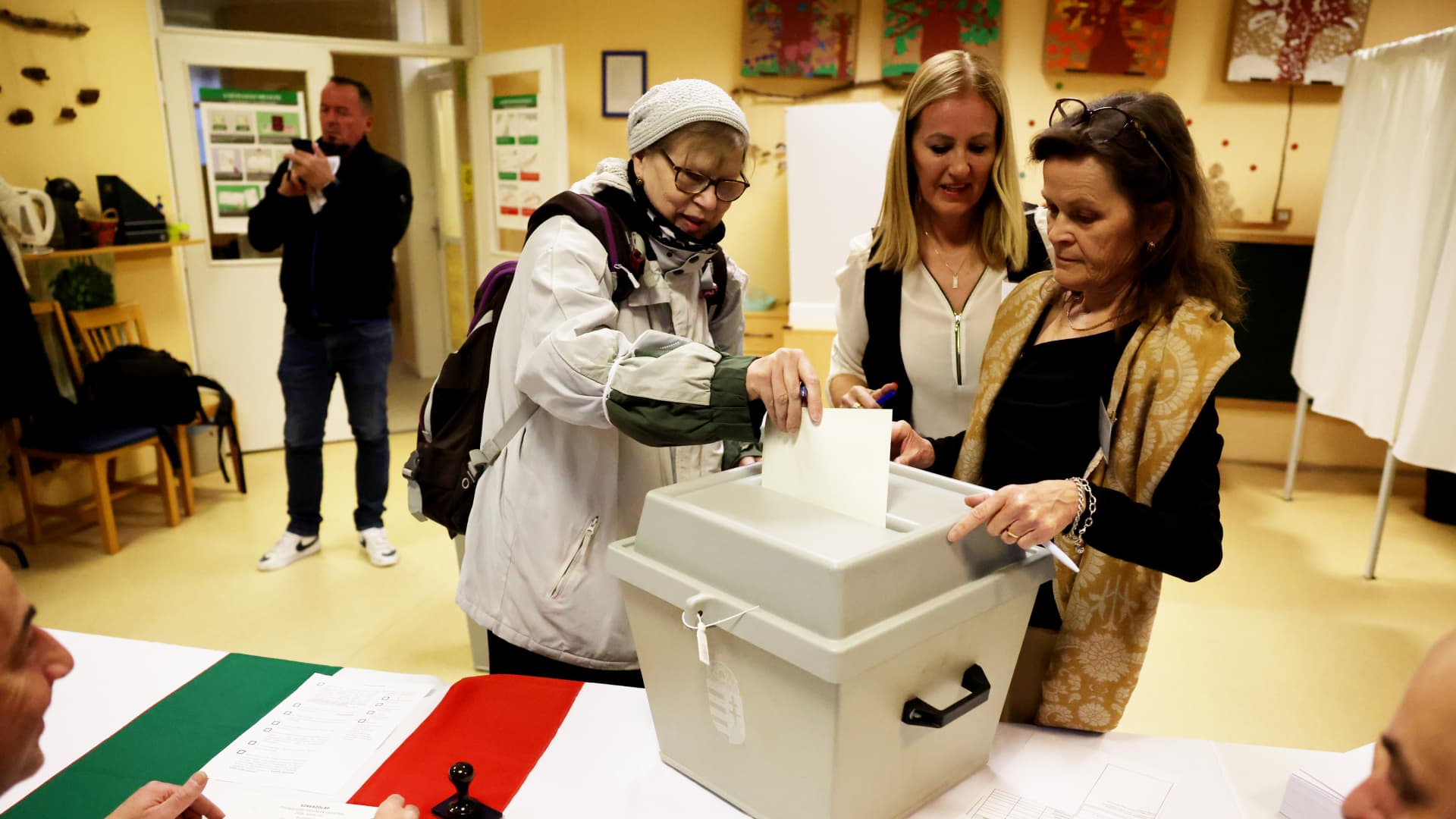
Hungarians headed to the polls this Sunday in a pivotal election that threatens to dismantle the political dominance of Prime Minister Viktor Orban, who has held power since 2010. The contest represents a significant test for the nation’s future, as voters express mounting frustration over prolonged economic stagnation, the rising cost of living, and widespread allegations of corruption involving government-linked figures. The outcome is being watched globally, as it could signal a major shift in Hungary’s alignment with the European Union and its stance on international conflicts.
Orban’s Fidesz party, known for its nationalist and eurosceptic platform, is facing its most formidable opposition in years from the center-right Tisza party, led by Peter Magyar. While Orban has historically maintained a firm grip on the political apparatus, recent polling suggests a shift in public sentiment, with the Tisza party holding a notable lead. Magyar’s campaign has resonated with younger voters and those disillusioned by the current administration, focusing heavily on institutional reform and economic revitalization rather than the polarizing rhetoric often employed by the ruling party.
International observers are particularly focused on the implications for the European Union and the ongoing war in Ukraine. Orban has frequently clashed with Brussels over democratic standards and has maintained a controversial relationship with the Kremlin. A victory for the opposition could potentially unlock significant financial aid for Ukraine and alter the balance of power within the EU. Despite the polling trends, the election remains highly competitive due to structural advantages held by the ruling party, including electoral map adjustments and a loyal base among ethnic Hungarians abroad, leaving the final result in a state of uncertainty.
Key Takeaways
- Prime Minister Viktor Orban faces his most significant electoral challenge since 2010 amid public anger over economic stagnation and corruption.
- The opposition Tisza party, led by Peter Magyar, has gained momentum by focusing on living standards and institutional reform.
- The election results could fundamentally alter Hungary's relationship with the European Union and its policy toward the war in Ukraine.
Editor’s Analysis & Impact
The Hungarian election represents a critical juncture for Central European politics. For over a decade, Viktor Orban has successfully navigated a path of ‘illiberal democracy,’ creating a blueprint that has influenced various right-wing movements globally. However, the current economic climate—characterized by high inflation and stagnant growth—has exposed the vulnerabilities of this model. If the Tisza party succeeds, the incoming administration will face the monumental challenge of untangling a decade of institutional and legal changes designed to consolidate Fidesz’s power. Conversely, a Fidesz victory would likely solidify Hungary’s position as an outlier within the EU, potentially deepening the divide between Budapest and Brussels. The broader implication is a potential shift in the European geopolitical landscape, particularly regarding the bloc’s unified stance on security and financial support for Ukraine.
Frequently Asked Questions
Q: Why is this election considered a turning point for Hungary?
A: It is a turning point because it represents the first serious electoral threat to Viktor Orban's 14-year tenure, driven by economic dissatisfaction and a strong challenge from the emerging Tisza party.
Q: How could the election impact the war in Ukraine?
A: A change in government could lead to a shift in Hungary's foreign policy, potentially unblocking billions of euros in EU aid for Ukraine and weakening Russia's influence within the European Union.
AI Disclosure: This article is based on verified data and official reports. Our Team and AI have cross-referenced every financial detail with primary sources to ensure total accuracy.
More from this Category