Hurricane Lala Unleashes Fury on Hawaii, Causing Widespread Devastation
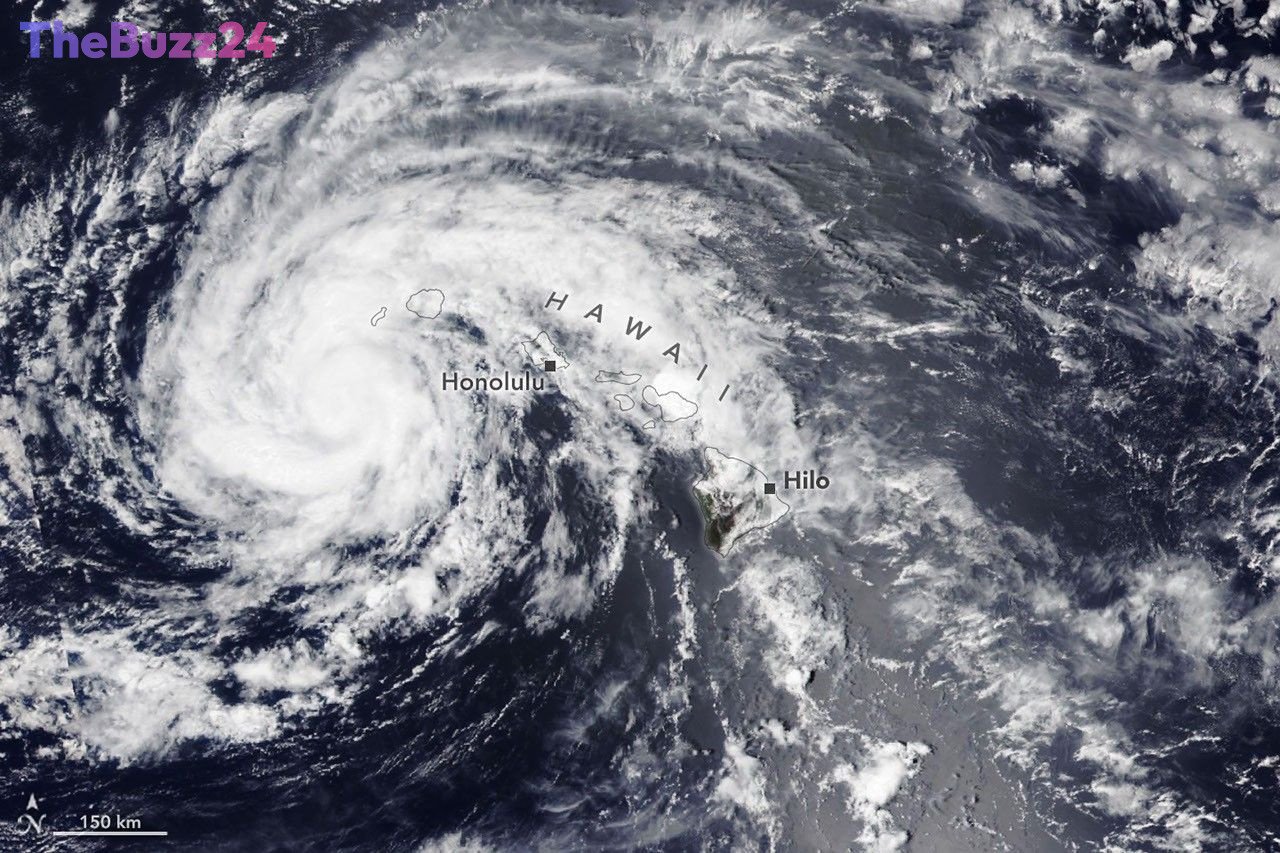
Hurricane Lala made a significant impact on the Hawaiian Islands in mid-August 2026, narrowly missing a direct landfall on the Island of Hawaiʻi but still delivering substantial damage as a Category 1 storm. The hurricane’s passage just south of the island on August 15 brought torrential rainfall, with some areas recording over 20 inches (50 centimeters), leading to severe flash flooding and persistent mudflow risks. The highest recorded rainfall reached an astonishing 43.55 inches (110.6 centimeters) in Laupāhoehoe, northwest of Hilo, highlighting the storm’s intensity.
Beyond the deluge, Lala’s fury manifested in downed trees, damaged bridges, and homes being swept from their foundations. Coastal communities bore the brunt of powerful waves, while even the high-altitude summit of Mauna Kea experienced blizzard conditions. By August 16, the storm had weakened to a tropical storm with sustained winds of 65 miles per hour (105 kilometers per hour) as it tracked northwest, parallel to the island chain and southwest of Kauaʻi.
The impact was felt statewide, with over 220,000 customers losing power as of the afternoon of August 16 due to strong winds. Damaged infrastructure, impassable roads due to floodwaters and debris, and widespread power outages underscored the storm’s destructive reach across the archipelago. The event serves as a stark reminder of the vulnerability of island communities to powerful tropical cyclones.
Meteorologists have noted that the 2026 Eastern Pacific hurricane season has been particularly active, consistent with El Niño conditions. The warmer equatorial Pacific waters, a hallmark of El Niño, provide the necessary moisture and energy to fuel storm development. Additionally, reduced wind shear in the region further encourages storms to strengthen, contrasting with the calmer Atlantic season where increased wind shear typically inhibits hurricane formation.
Key Takeaways
- Hurricane Lala caused significant damage to Hawaii, including extreme rainfall, flash flooding, and infrastructure destruction.
- Over 220,000 customers experienced power outages across the islands due to strong winds.
- The active Eastern Pacific hurricane season is attributed to El Niño conditions, which foster storm development.
Editor’s Analysis & Impact
The passage of Hurricane Lala through Hawaii underscores the increasing threat posed by powerful tropical cyclones to vulnerable island nations. The storm’s intensity and the resulting widespread damage highlight the critical need for robust infrastructure and effective disaster preparedness strategies. The connection drawn to El Niño conditions suggests a potential for continued active storm seasons, emphasizing the importance of climate monitoring and adaptation. This event serves as a critical case study for understanding the impacts of climate variability on weather patterns and the subsequent socio-economic consequences for affected regions.
Frequently Asked Questions
Q: What category was Hurricane Lala when it affected Hawaii?
A: Hurricane Lala was a Category 1 storm on the Saffir-Simpson wind scale when it passed just south of the Island of Hawaiʻi.
Q: What were the main impacts of Hurricane Lala on Hawaii?
A: The main impacts included extreme rainfall exceeding 20 inches in many areas, causing flash flooding and mudflows, downed trees, damaged bridges, homes being swept off foundations, widespread power outages affecting over 220,000 customers, and impassable roads due to debris and floodwaters.
Q: Why has the Eastern Pacific hurricane season been so active in 2026?
A: Meteorologists attribute the active season to El Niño conditions, which involve warmer equatorial Pacific waters that fuel storm development and reduced wind shear in the region, allowing storms to strengthen more easily.
AI Disclosure: This article is based on verified data and official reports. Our Team and AI have cross-referenced every financial detail with primary sources to ensure total accuracy.
More from this Category