Venezuela Reconnects with Global Financial Institutions in Major Economic Shift
Venezuela has officially re-entered the global financial fold as the International Monetary Fund (IMF) and the World Bank resume formal relations with the nation. This development marks a significant turning point for the country, ending a period of isolation that had effectively frozen formal economic cooperation since 2019. The renewed engagement is expected to facilitate the first comprehensive assessment of Venezuela’s economic health in over twenty years, providing a clearer picture of the nation’s fiscal reality.
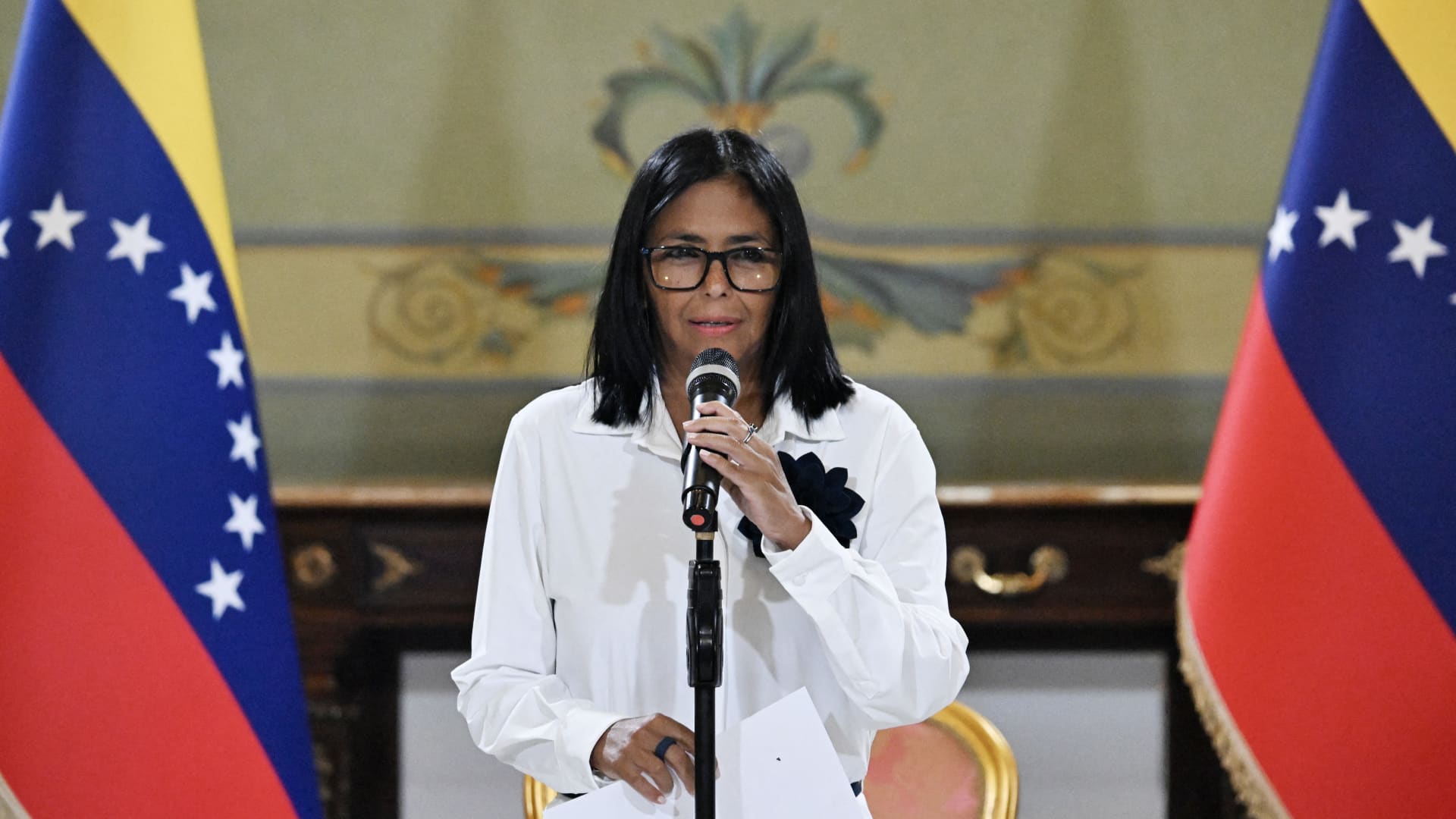
The shift follows a consensus among member nations, allowing the IMF to begin working directly with the administration of interim President Delcy Rodríguez. Simultaneously, the World Bank has moved to end its long-standing hiatus, which dates back to its final loan issuance in 2005. While official representatives from the Venezuelan central bank have remained quiet regarding the specifics, the international community views this as a vital step toward stabilizing the country’s volatile financial landscape.
For global investors, the primary focus remains on the country’s massive debt burden, which includes approximately $60 billion in defaulted bonds and a total external debt load estimated at $170 billion. The involvement of the IMF is widely considered a prerequisite for any credible debt restructuring effort, as the organization’s data-gathering capabilities will be essential for building a sustainable recovery framework. Furthermore, the normalization of these ties could potentially unlock access to roughly $5 billion in special drawing rights.
As the government seeks to bolster its presence in the oil and mining sectors, this re-engagement provides a structured pathway for both short-term liquidity and long-term economic rehabilitation. However, the success of this reintegration will likely depend on the administration’s ability to meet rigorous international standards for transparency and data sharing, which remain central to the conditions set by these global financial bodies.
Key Takeaways
- The IMF and World Bank have resumed formal relations with Venezuela, ending years of economic isolation.
- The move paves the way for the first comprehensive economic assessment of the country in two decades.
- Engagement with global financial institutions is a critical step toward addressing Venezuela's $170 billion external debt and potential restructuring.
Editor’s Analysis & Impact
The resumption of ties between Venezuela and major global financial institutions represents a seismic shift in Latin American geopolitics and emerging market finance. By re-establishing a dialogue, the IMF and World Bank are signaling a pragmatic approach to a long-standing economic crisis, prioritizing data transparency and debt sustainability over total isolation. For the market, this is a bullish signal for distressed debt holders, though significant risks remain regarding political stability and the implementation of fiscal reforms. The future outlook hinges on whether the current administration can adhere to the stringent transparency requirements necessary to unlock larger funding packages. If successful, this could stabilize regional energy markets and provide a blueprint for other nations currently navigating similar economic defaults, effectively reintegrating a major oil-producing economy into the global financial architecture.
Frequently Asked Questions
Q: Why is the IMF's involvement important for Venezuela's debt?
A: The IMF provides the necessary economic data and fiscal assessments required to create a credible and sustainable debt restructuring program for the country's $170 billion debt load.
Q: What are special drawing rights in this context?
A: Special drawing rights are international reserve assets that could provide Venezuela with approximately $5 billion in liquidity to help stabilize its economy.
AI Disclosure: This article is based on verified data and official reports. Our Team and AI have cross-referenced every financial detail with primary sources to ensure total accuracy.
More from this Category