India’s Central Bank Holds Rates Steady Amid Inflation Concerns and Growth Uncertainty
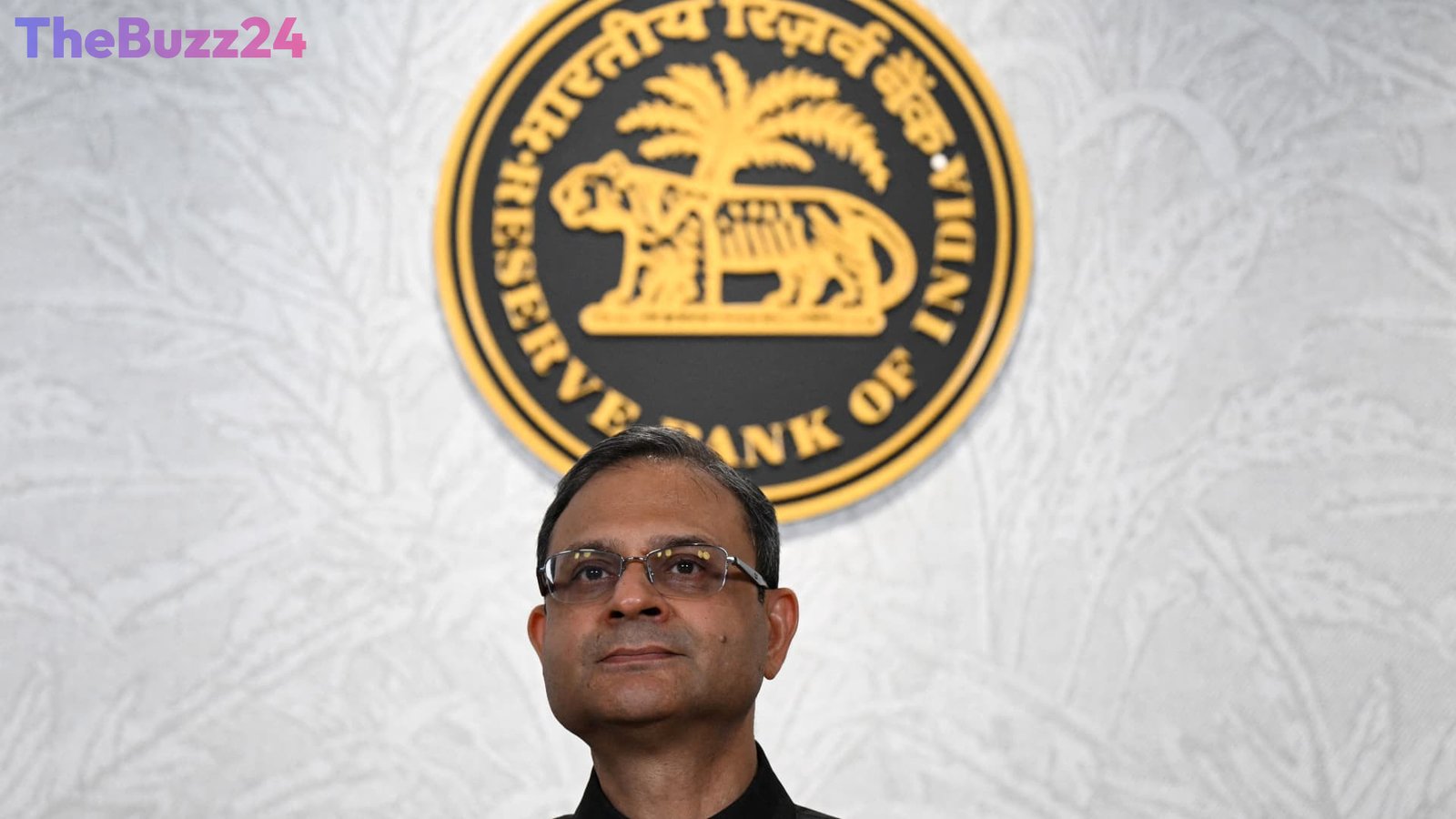
The Reserve Bank of India (RBI) has maintained its benchmark interest rate at 5.25% for the fifth consecutive meeting, opting to keep monetary policy steady despite recent upticks in retail inflation. This decision comes as the country’s consumer price index reached an 18-month high in June, surpassing the central bank’s medium-term target of 4% for the first time in over a year.
RBI Governor Sanjay Malhotra indicated that while headline inflation has risen as anticipated, the core inflation rate, which excludes volatile food and energy prices, remains “moderate.” The central bank anticipates core inflation to peak in the December quarter before beginning a downward trend. Malhotra emphasized the need for greater clarity on inflation’s future path and composition before considering any policy adjustments. Future rate decisions will also hinge on the evolving balance between economic growth and inflation dynamics.
This cautious approach by the RBI contrasts with several other Asian nations, including Japan, the Philippines, Indonesia, and South Korea, which have recently increased their interest rates to combat inflationary pressures exacerbated by geopolitical tensions in the Middle East. Despite a resilient economic performance, the RBI projects a slowdown in growth for the current financial year, citing “hazy” outlooks due to uncertainties surrounding the southwest monsoon, El Niño phenomena, geopolitical risks, and global trade policies.
Market reactions saw India’s benchmark Nifty 50 index trading flat, while 10-year bond yields experienced a slight dip. The recent surge in oil prices, partly passed on to consumers, has contributed to the rise in inflation. However, the RBI’s primary focus remains on core inflation, which is projected to increase to 4.7% in the fiscal year ending March 2027. Experts suggest that while energy prices are a concern, the potential for higher food prices poses a more significant risk to India’s inflation trajectory moving forward.
Key Takeaways
- India's central bank has kept its benchmark interest rate unchanged at 5.25% for the fifth consecutive time.
- Retail inflation has exceeded the RBI's target, but the bank is focusing on 'moderate' core inflation and awaiting more clarity before adjusting rates.
- Economic growth outlook is uncertain due to monsoon, El Niño, geopolitical, and trade policy risks, prompting a cautious monetary stance.
Editor’s Analysis & Impact
The RBI’s decision to hold rates steady reflects a delicate balancing act between managing rising inflation and supporting economic growth. While headline inflation is a concern, the focus on core inflation suggests the central bank believes current price pressures are not yet broadly embedded. However, the confluence of factors like potential monsoon deficits, El Niño, and global geopolitical instability creates significant headwinds. The market will be closely watching food price trends and the impact of global energy prices on core inflation. Any sustained upward pressure on prices, particularly food, could force the RBI’s hand in future meetings, potentially impacting growth prospects and currency stability.
Frequently Asked Questions
Q: Why did the Reserve Bank of India keep interest rates unchanged?
A: The RBI maintained its benchmark interest rate at 5.25% because, despite rising headline inflation, it views core inflation (excluding food and energy) as moderate. The bank is awaiting more clarity on the inflation trajectory and economic growth dynamics before considering policy changes.
Q: What are the main risks to India's economic outlook?
A: Key risks include uncertainties surrounding the southwest monsoon, the potential impact of the El Niño phenomenon, ongoing geopolitical tensions, and shifts in global trade policies. These factors contribute to a 'hazy' outlook for economic growth in the current financial year.
Q: How does the conflict in the Middle East affect India's economy?
A: The conflict in the Middle East can drive up global energy prices, which India heavily relies on imports for. Higher energy costs can contribute to inflation and potentially impact economic growth, although the RBI is currently more focused on core inflation and food prices.
AI Disclosure: This article is based on verified data and official reports. Our Team and AI have cross-referenced every financial detail with primary sources to ensure total accuracy.
More from this Category