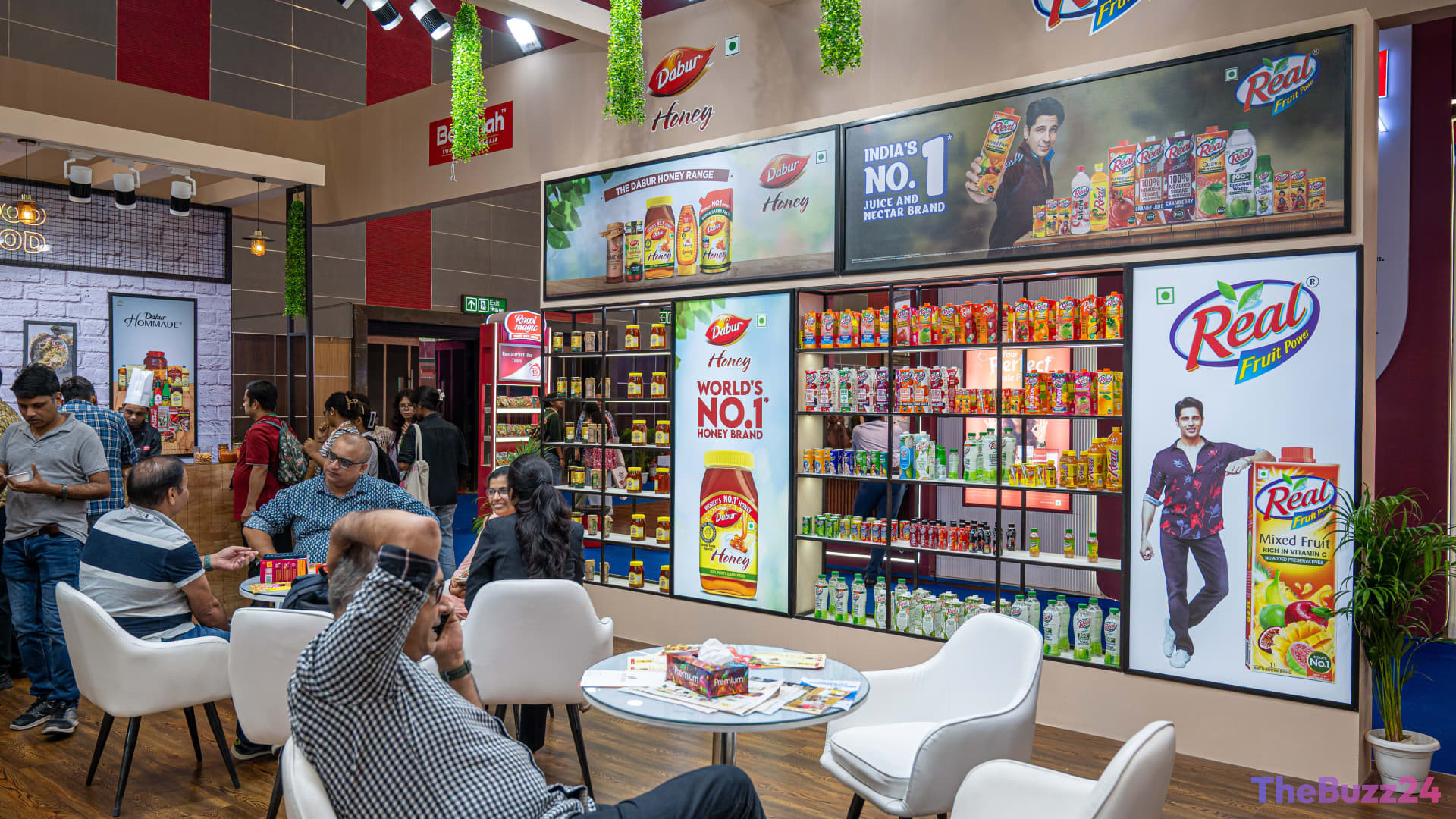
The Viral Shift: How Social Media is Forcing India’s Food Giants to Pivot
The landscape of India’s massive consumer market is undergoing a seismic shift as social media influencers successfully challenge the dominance of traditional packaged food and beverage giants. Once reliant on celebrity endorsements and expansive distribution networks, major corporations are now finding that their market share is increasingly vulnerable to ‘community-verified trust.’ Viral content highlighting ingredient transparency and nutritional concerns has empowered Indian consumers to scrutinize product labels, forcing companies to reformulate their offerings or face public backlash.
Industry leaders are responding to this pressure with significant strategic pivots. PepsiCo, for instance, has announced an ambitious plan to transition 90% of its Indian beverage portfolio to low- or no-sugar options, up from its current 50%. Similarly, other major players have begun reducing sugar content in their flagship products following intense public scrutiny on social media platforms. This trend is further supported by regulatory actions, with Indian authorities moving to restrict misleading health claims on labels, such as the use of ‘health drink’ terminology for malt-based beverages.
The rise of direct-to-consumer (D2C) brands is further accelerating this transformation. By leveraging social media to educate consumers on ‘clean label’ products—those with simple, transparent ingredient lists—these smaller, agile companies are capturing market share from traditional brands that fail to adapt. As India’s per capita income continues to rise, the demand for healthier, more transparent food options is expected to become a permanent fixture of the retail environment, compelling global brands to prioritize consumer health over traditional marketing tactics.
Key Takeaways
- Social media influencers are successfully shifting consumer trust from celebrity endorsements to community-verified transparency regarding food ingredients.
- Major food and beverage corporations are aggressively reformulating products to reduce sugar content in response to viral public advocacy and regulatory pressure.
- The rise of D2C brands focusing on 'clean labels' is challenging the market dominance of traditional companies that fail to evolve with consumer health consciousness.
Editor’s Analysis & Impact
The transformation of the Indian consumer market represents a broader global trend where digital democratization of information disrupts legacy business models. For decades, large multinationals relied on the ‘information asymmetry’ between the manufacturer and the consumer. Social media has effectively collapsed this gap, turning every consumer into a potential auditor of corporate claims. The market impact is twofold: first, it forces a massive capital expenditure toward R&D for healthier product lines; second, it lowers the barrier to entry for D2C startups that can build brand equity through authenticity rather than massive advertising budgets. Looking ahead, companies that fail to embrace radical transparency will likely face not only declining sales but also increased regulatory scrutiny, as governments align with public sentiment regarding health and safety standards.
Frequently Asked Questions
Q: Why are traditional food brands in India changing their product formulas?
A: Traditional brands are reformulating products primarily due to pressure from social media influencers and public awareness campaigns that highlight high sugar content and misleading labeling, which has led to a shift in consumer preference toward healthier options.
Q: What is a 'clean label' product?
A: A 'clean label' product is one that features a short, simple, and easy-to-understand list of ingredients, typically free from artificial additives, catering to consumers who are increasingly conscious of what they consume.
AI Disclosure: This article is based on verified data and official reports. Our Team and AI have cross-referenced every financial detail with primary sources to ensure total accuracy.
More from this Category