Inside the White House Press Pool: History, Mechanics, and Modern Access Debates
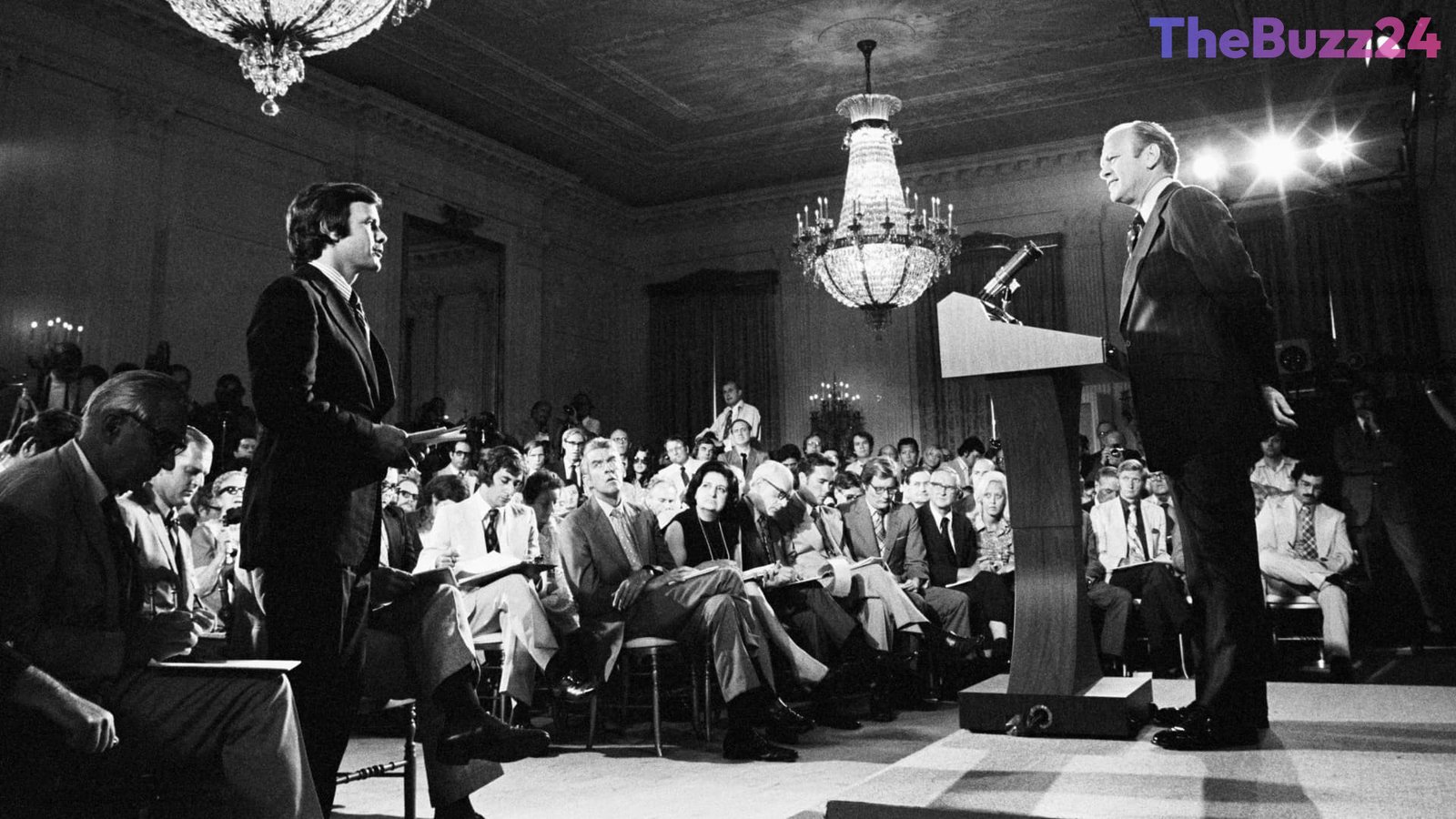
The White House press pool serves as an essential mechanism for ensuring government transparency, documenting the daily activities, official statements, and travels of the U.S. president. Comprising a rotating group of journalists from broadcast, print, radio, and photography backgrounds, the pool provides a continuous stream of information that is shared with media organizations worldwide. Because spaces like the Oval Office and Air Force One cannot accommodate hundreds of reporters simultaneously, this compact team acts as the collective eyes and ears of the broader public, chronicling presidential engagements for nearly a century.
Traditionally managed by the White House Correspondents’ Association, the pool historically featured a standardized rotation of major television networks, print newspapers, wire services, and radio broadcasters. However, recent administrative shifts have altered this dynamic. The White House press office has moved to take a more direct role in determining pool composition, introducing structural changes such as the elimination of traditional wire slots and the addition of designated seats for digital and alternative media outlets. These modifications have sparked ongoing debates regarding media access, objectivity, and the boundaries of governmental influence over journalistic coverage.
Tensions between administrations and media organizations are not unprecedented, but recent disputes involving restrictions on specific news outlets and subsequent coverage suspensions underscore the delicate balance of power between the executive branch and the press. When major networks decline to backfill vacant pool slots in solidarity with barred organizations, the immediate availability of independent live video and real-time reporting can be severely restricted. As the landscape of media consumption and political communication continues to evolve, the framework governing presidential access remains a critical pillar of democratic accountability.
Key Takeaways
- The White House press pool acts as the public's primary mechanism for observing the president's daily activities in restricted spaces like the Oval Office and Air Force One.
- Recent changes by the administration have shifted control over pool composition, altering traditional slots and introducing alternative media seats.
- Disputes over press bans and credential restrictions can limit the flow of independent real-time footage and reporting to the broader public.
Editor’s Analysis & Impact
The ongoing friction between the executive branch and the White House press pool highlights a critical evolution in political communication and media access. As administrations increasingly seek direct channels to audiences—sometimes leveraging alternative or digital media seats—the traditional gatekeeping role of legacy press pools faces unprecedented disruption. This shift has profound implications for democratic transparency. When access is politicized or restricted, the broader media ecosystem struggles to maintain a unified, objective record of executive actions. Looking forward, the battle over press credentials and pool autonomy will likely set legal and operational precedents that redefine the relationship between the government and independent journalism, ultimately impacting how citizens consume unfiltered information about their elected leaders.
Frequently Asked Questions
Q: What is the primary function of the White House press pool?
A: The press pool is a small, rotating group of journalists that covers the president's daily movements, speeches, and travels, sharing their footage and reports with media outlets worldwide to ensure public transparency.
Q: Who historically managed the composition of the press pool?
A: For most of its history, the White House Correspondents' Association controlled which news outlets and journalists covered the president on any given day, though recent administrations have sought greater direct control.
Q: Why is the press pool important for spaces like the Oval Office?
A: The Oval Office and other presidential environments lack the physical capacity to host hundreds of reporters, making a designated pool essential for capturing events and relaying information to the wider public.
AI Disclosure: This article is based on verified data and official reports. Our Team and AI have cross-referenced every financial detail with primary sources to ensure total accuracy.
More from this Category