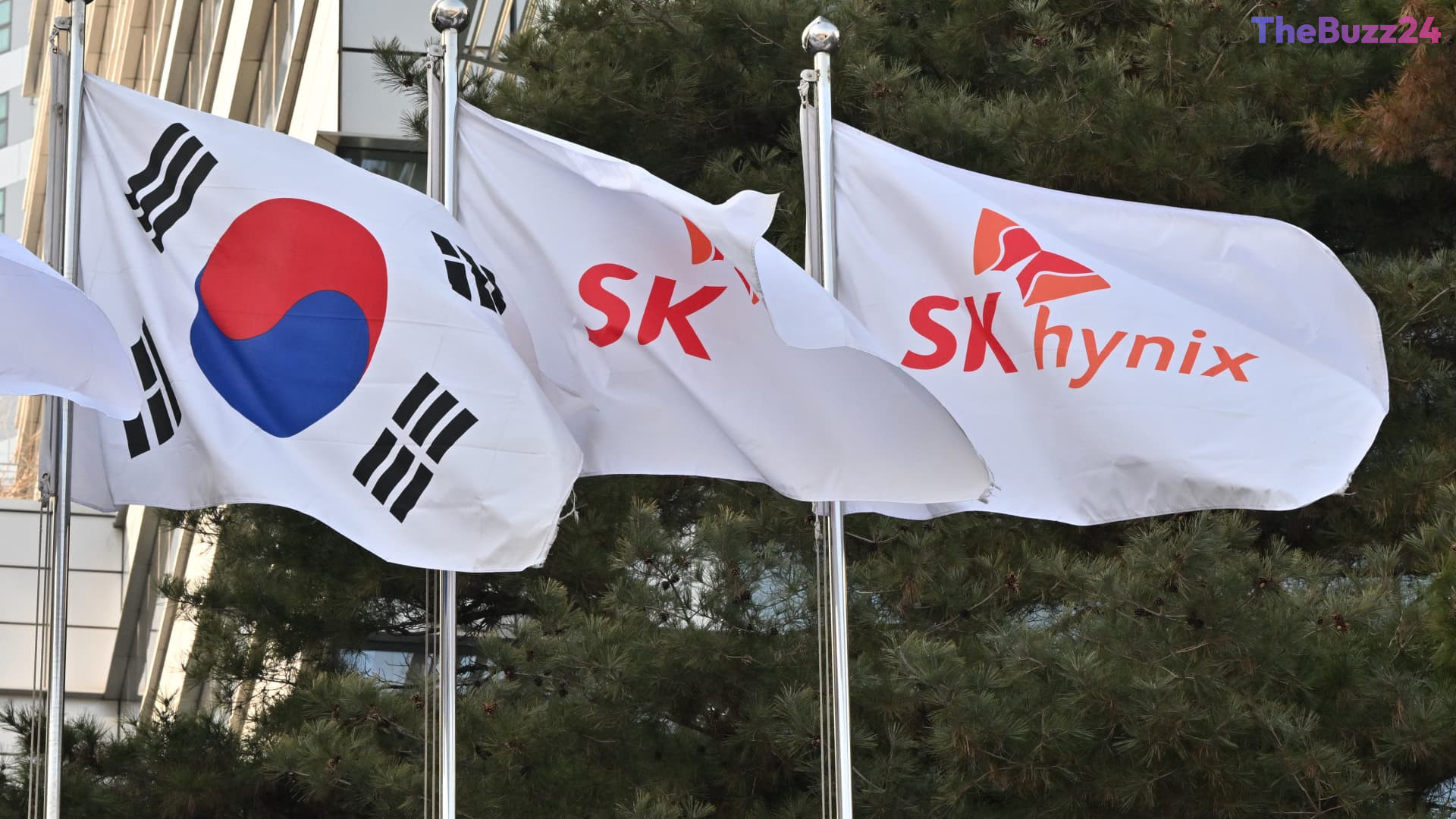
Memory Chip Market Faces Potential Correction Amidst AI-Driven Optimism
The global memory chip industry has enjoyed a period of robust growth, largely fueled by the insatiable demand for high-bandwidth memory (HBM) required to power artificial intelligence infrastructure. Industry giants including Samsung, SK Hynix, Micron Technology, and SanDisk have seen their market valuations soar, leading some investors to believe that the sector has finally escaped its historically volatile boom-and-bust cycles. This optimistic outlook is predicated on the idea that persistent supply constraints and the ongoing AI revolution will maintain high price floors for the foreseeable future.
Despite this enthusiasm, market analysts are cautioning that the sector remains susceptible to traditional patterns of instability. Critics argue that current share prices reflect an expectation of long-term perfection that may be difficult to sustain. There is mounting concern regarding ‘momentum crowding,’ a phenomenon where excessive capital flows into a sector, leaving it highly vulnerable to a sharp correction if supply chains normalize or if the pace of AI-related demand begins to plateau.
Technological innovation also introduces a layer of uncertainty for chip manufacturers. The emergence of new compression techniques, such as Google’s TurboQuant, is designed to significantly lower the memory footprint of large language models. Should these technologies achieve widespread adoption, they could fundamentally shift the demand dynamics for high-end memory chips, potentially undermining the revenue projections of major producers.
Finally, the geographic concentration of these companies poses a systemic risk. Because firms like Samsung and SK Hynix represent a substantial portion of the South Korean equity market, a downturn in the semiconductor sector could trigger broader regional economic volatility. Consequently, financial experts are increasingly recommending that investors diversify their portfolios to hedge against the risks associated with the current peak optimism in the memory chip market.
Key Takeaways
- The memory chip sector is experiencing a valuation surge driven by AI demand, but analysts warn of potential cyclical volatility.
- New compression technologies like TurboQuant could reduce memory requirements, threatening the current demand model for high-end chips.
- Geographic concentration in South Korea makes regional markets particularly sensitive to any downturn in the semiconductor industry.
Editor’s Analysis & Impact
The memory chip sector is currently at a critical juncture where the narrative of ‘structural growth’ is colliding with the reality of ‘cyclical risk.’ While AI remains a legitimate long-term tailwind, the market is currently pricing in a flawless execution scenario that ignores historical precedents of oversupply and inventory gluts. The emergence of software-based memory optimization, such as TurboQuant, represents a classic disruptive threat that could decouple AI growth from hardware spending. Investors should be wary of the ‘AI-only’ thesis; the sector’s reliance on a narrow set of high-growth applications makes it susceptible to rapid sentiment shifts. Moving forward, the industry’s ability to manage capacity expansion without triggering a price collapse will be the primary determinant of whether this cycle differs from those of the past.
Frequently Asked Questions
Q: Why are analysts concerned about the current memory chip rally?
A: Analysts are concerned that the market is 'momentum crowding,' meaning valuations are based on overly optimistic expectations that ignore the industry's historical tendency toward boom-and-bust cycles.
Q: How could new technology impact memory chip demand?
A: Innovations like Google's TurboQuant aim to compress data and reduce the memory requirements for AI models, which could decrease the overall demand for high-end memory chips.
AI Disclosure: This article is based on verified data and official reports. Our Team and AI have cross-referenced every financial detail with primary sources to ensure total accuracy.
More from this Category