Iran Agrees to Nuclear Inspector Return Amid Diplomatic Breakthrough
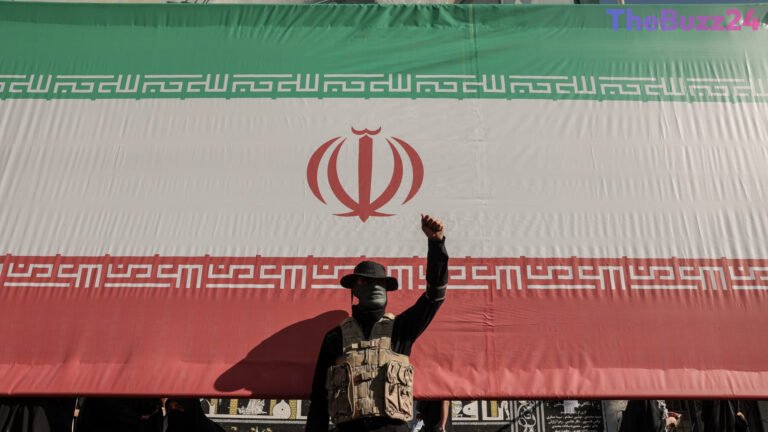
In a significant diplomatic development, Iran has reportedly agreed to permit international nuclear inspectors back into the country, a crucial demand from the global community. Discussions between Iran and the International Atomic Energy Agency (IAEA) are anticipated to commence as early as today, signaling a potential de-escalation in nuclear tensions.
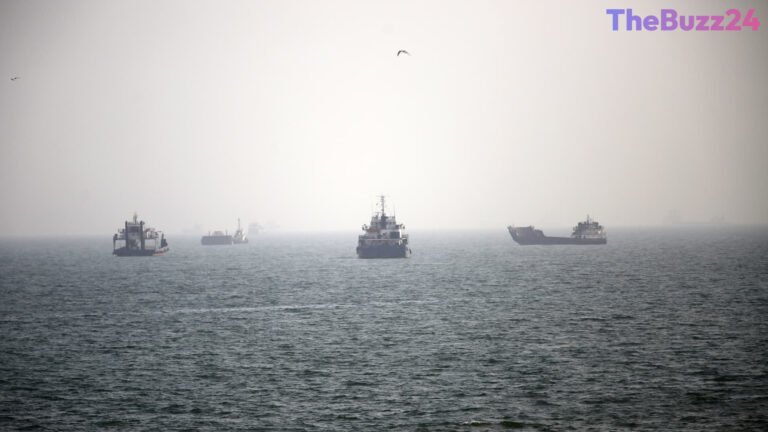
This agreement follows a series of high-level talks between the United States and Iran, mediated by Qatar and Pakistan. According to sources close to the negotiations, a memorandum of understanding (MOU) was signed last week, outlining a roadmap towards a comprehensive deal within the next 60 days. Key provisions reportedly include the reopening of the Strait of Hormuz and measures for regional de-escalation, particularly concerning the ongoing conflict in Lebanon.
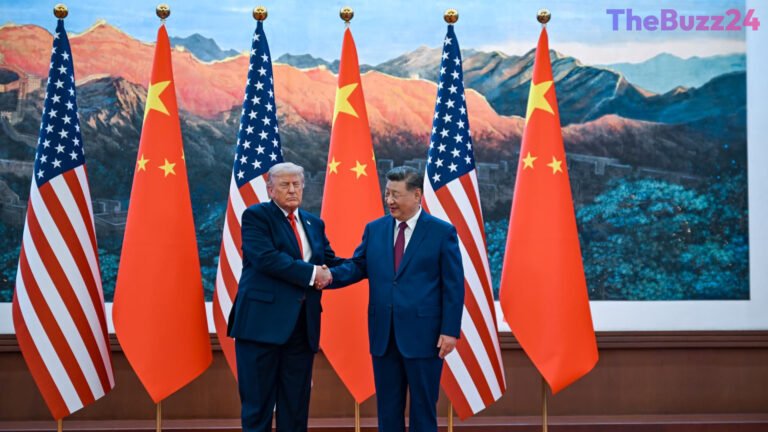
The potential return of IAEA inspectors is being hailed as a major milestone, particularly by American officials. The move is seen as a critical first step toward ensuring Iran’s nuclear program remains strictly for civilian purposes, a long-standing assertion by Tehran that has faced skepticism from international bodies. The specifics of the MOU, signed by U.S. President Donald Trump and Iranian President Masoud Pezeshkian, emphasize addressing Iran’s enriched nuclear material stockpile under IAEA oversight.
This development marks a potential turning point after years of strained relations and the U.S. withdrawal from the 2015 Joint Comprehensive Plan of Action (JCPOA). The previous deal, which allowed for extensive IAEA inspections, was abandoned by the Trump administration in 2018. Following subsequent events, including military actions and alleged Israeli strikes, Iran had suspended access for inspectors, leading to their eventual withdrawal by the IAEA. The establishment of a communication line to ensure safe passage through the Strait of Hormuz and a “de-confliction cell” for Lebanon are also critical components of the new understanding.
Key Takeaways
- Iran has agreed to allow international nuclear inspectors back into the country.
- A new memorandum of understanding between the US and Iran includes provisions for reopening the Strait of Hormuz and de-escalation in Lebanon.
- The agreement is seen as a significant step towards resolving concerns over Iran's nuclear program and could lead to a final deal within 60 days.
Editor’s Analysis & Impact
The reported agreement for Iran to allow nuclear inspectors back into the country, coupled with a roadmap for a broader deal, represents a significant diplomatic achievement. This development could reshape geopolitical dynamics in the Middle East, potentially easing tensions surrounding Iran’s nuclear ambitions and regional conflicts. The inclusion of provisions for the Strait of Hormuz and de-escalation in Lebanon addresses critical security and economic concerns. However, the success of this initiative will hinge on sustained commitment from all parties and the effective implementation of the agreed-upon measures, particularly given the historical complexities and mistrust that have characterized past negotiations.
Frequently Asked Questions
Q: What is the significance of allowing nuclear inspectors back into Iran?
A: Allowing IAEA inspectors back into Iran is crucial for international verification that the country's nuclear program is solely for civilian purposes. It addresses a key demand from the international community and is seen as a vital step towards preventing the proliferation of nuclear weapons.
Q: What is the Strait of Hormuz and why is its reopening important?
A: The Strait of Hormuz is a vital chokepoint for global oil shipments, located between the Persian Gulf and the Gulf of Oman. Its reopening is economically significant as it ensures the free flow of commercial vessels and reduces the risk of disruptions to global energy supplies.
Q: What was the Joint Comprehensive Plan of Action (JCPOA)?
A: The JCPOA, agreed upon in 2015 between Iran and six world powers, aimed to limit Iran's nuclear program in exchange for sanctions relief. It allowed the IAEA to conduct inspections of Iran's nuclear facilities. The U.S. withdrew from the deal in 2018.
AI Disclosure: This article is based on verified data and official reports. Our Team and AI have cross-referenced every financial detail with primary sources to ensure total accuracy.
More from this Category