Tensions Ease as Iran Reviews US Peace Proposal Amidst War Uncertainty
Iran is reportedly in the process of reviewing a peace proposal conveyed by the United States through Pakistani intermediaries. While the messages have been received, an official Iranian foreign ministry spokesperson indicated that no definitive conclusion has been reached, nor has a formal reply been issued.
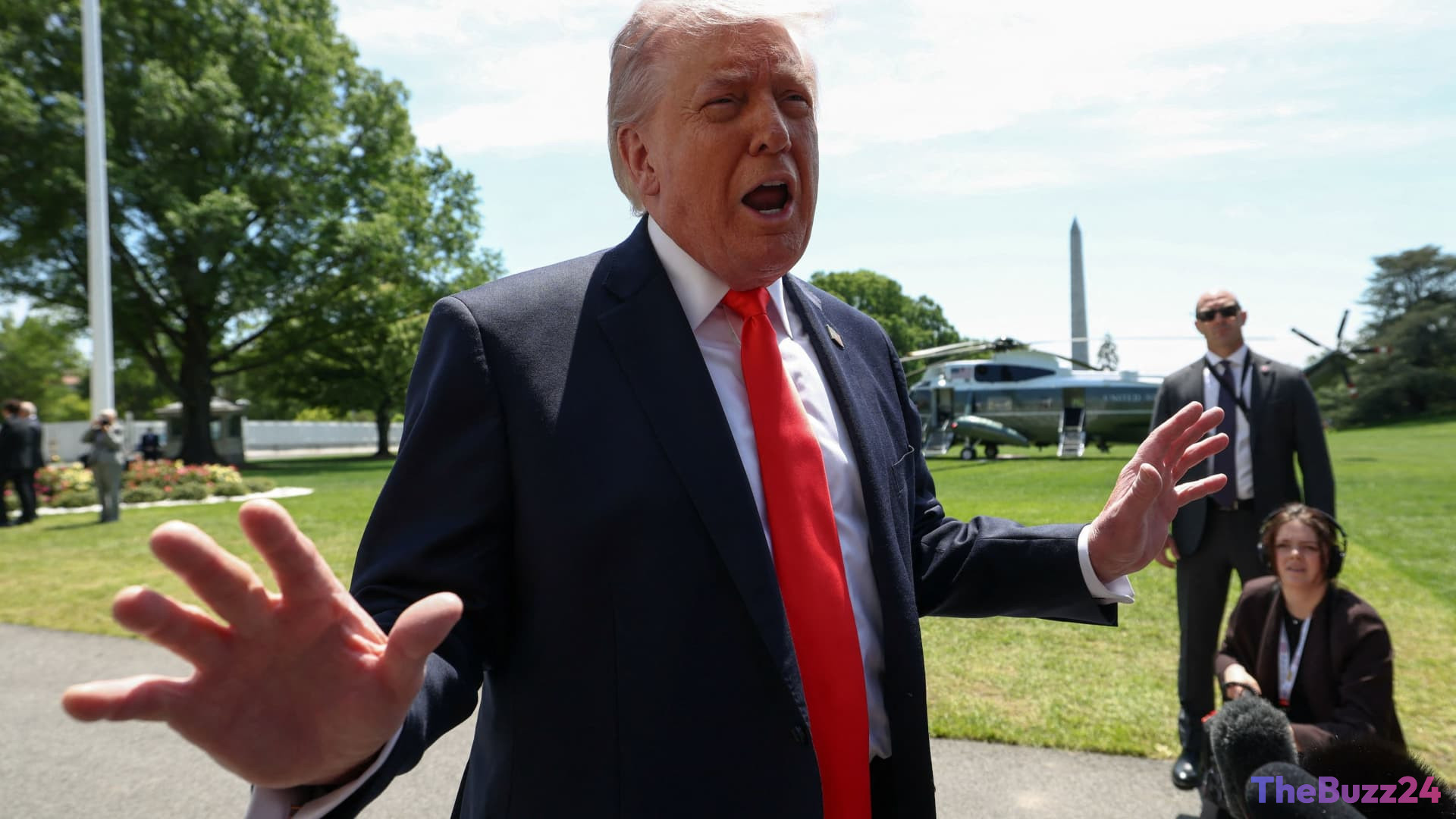
This development follows reports suggesting that the U.S. and Iran were on the verge of agreeing to a 14-point memorandum of understanding aimed at concluding the ongoing conflict and paving the way for future nuclear discussions. President Donald Trump has publicly stated that the U.S. is awaiting a deal satisfactory to its terms, while also expressing optimism that the conflict could be resolved swiftly.
The situation remains particularly critical regarding the Strait of Hormuz, a vital artery for global oil transport that has been significantly disrupted by the war, leading to considerable shocks in energy supplies worldwide. The U.S. had initiated ‘Project Freedom’ to assist commercial vessels navigating the Persian Gulf amidst Iranian threats, but this operation was reportedly paused by President Trump, citing progress in diplomatic negotiations.
Further complicating the situation, reports indicate that Saudi Arabia and Kuwait have since lifted restrictions on U.S. military access to their bases and airspace, potentially allowing for the restart of ‘Project Freedom.’ However, a senior Iranian official has cautioned that Tehran will not permit the reopening of the strait through an ‘unrealistic plan,’ emphasizing the need for tangible benefits for Iran in any negotiated outcome.
Key Takeaways
- Iran is currently reviewing a US peace proposal received via Pakistani mediators.
- President Trump predicts a swift end to the conflict if a satisfactory deal is reached.
- The status of the Strait of Hormuz and its impact on global oil supply remains a key concern.
Editor’s Analysis & Impact
The potential de-escalation of conflict between the U.S. and Iran, signaled by the review of a peace proposal, could have significant implications for global energy markets. A resolution would likely stabilize oil prices and ease supply chain concerns, benefiting global trade and economic recovery. However, the lingering uncertainty and the specific demands from Iran, such as ‘tangible benefits,’ suggest that negotiations will be complex. The involvement of regional allies like Saudi Arabia adds another layer to the geopolitical dynamics. The market’s initial positive reaction, followed by renewed volatility, underscores the fragility of the situation and the high stakes involved for international stability and economic growth.
Frequently Asked Questions
Q: What is the significance of the Strait of Hormuz?
A: The Strait of Hormuz is a crucial chokepoint for global oil transportation, connecting the Persian Gulf to the open ocean. Any disruption or closure of this waterway can significantly impact global energy supplies and prices.
Q: What was 'Project Freedom'?
A: 'Project Freedom' was an initiative launched by the U.S. to guide commercial ships through the Persian Gulf amidst threats in the Strait of Hormuz. Its operations were reportedly paused and may be restarted depending on diplomatic progress.
Q: What are the main concerns for Iran in the negotiations?
A: According to reports, Iran's primary concern is ensuring 'tangible benefits' from any agreement, rather than accepting what they might perceive as a 'flamboyant gesture' or an 'unrealistic plan' that does not serve their national interests.
AI Disclosure: This article is based on verified data and official reports. Our Team and AI have cross-referenced every financial detail with primary sources to ensure total accuracy.
More from this Category