Iranian Citizens Form Human Chains to Shield Critical Infrastructure
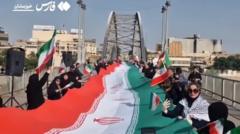
In a significant display of national mobilization, Iranian citizens have begun organizing human chains at various strategic locations throughout the country. These gatherings, which have been observed on major bridges and in the vicinity of essential power infrastructure, serve as a visible response to the current climate of heightened geopolitical instability. The initiative follows directives from local authorities urging the public to congregate at sites that are perceived as potential targets for foreign military intervention.
The civilian movement is largely viewed as a direct reaction to recent rhetoric from former U.S. President Donald Trump, who previously suggested that Iran’s civilian infrastructure could be subject to targeting. By physically positioning themselves at these critical assets, participants are engaging in a symbolic act of defiance intended to deter external aggression and demonstrate a unified national front.
This strategy of involving the general population in the protection of national assets highlights the intense state of alert currently prevailing within the nation. The formation of these human chains is designed to send a clear message to the international community regarding the country’s resolve to safeguard its essential services. As tensions continue to fluctuate, the presence of civilians at these sites remains a central component of the current defensive posture adopted by the state.
Key Takeaways
- Iranian citizens are forming human chains around critical infrastructure and bridges as a defensive measure.
- The mobilization is a response to past threats regarding the targeting of civilian infrastructure by foreign powers.
- The act serves as a symbolic deterrent intended to demonstrate national unity and readiness against potential military strikes.
Editor’s Analysis & Impact
The mobilization of civilians to protect infrastructure represents a high-stakes psychological and strategic maneuver in the ongoing geopolitical standoff involving Iran. By utilizing human shields, the state is effectively raising the political and moral cost of any potential military engagement for foreign adversaries. This strategy complicates the decision-making process for external powers, as any strike on these facilities would now carry the risk of significant civilian casualties, potentially triggering international backlash. Looking ahead, this move signals that the region remains in a precarious state of volatility. The integration of the populace into national defense strategies suggests that the government is preparing for a prolonged period of tension, which will likely continue to impact regional stability and global energy market sentiments as long as these critical assets remain under the threat of conflict.
Frequently Asked Questions
Q: Why are Iranian citizens forming human chains?
A: Citizens are forming human chains to protect critical infrastructure, such as power plants and bridges, from potential foreign military strikes and to demonstrate national unity.
Q: What prompted this civilian mobilization?
A: The mobilization was prompted by urgent calls from authorities following past threats from former U.S. President Donald Trump regarding the targeting of Iranian civilian infrastructure.
AI Disclosure: This article is based on verified data and official reports. Our Team and AI have cross-referenced every financial detail with primary sources to ensure total accuracy.
More from this Category