Diplomatic Impasse: Iran Sets Strict Terms for U.S. Talks Amid Regional Instability
Diplomatic efforts to de-escalate tensions in the Middle East have encountered a significant hurdle as Iranian parliamentary speaker Mohammad Bagher Ghalibaf outlined rigid preconditions for any potential dialogue with the United States. Tehran is demanding a complete cessation of Israeli military operations in Lebanon and the immediate unfreezing of Iranian assets as a prerequisite for formal negotiations. These demands create a difficult environment for the American diplomatic team, currently based in Pakistan, as they attempt to navigate the complex and volatile regional landscape.
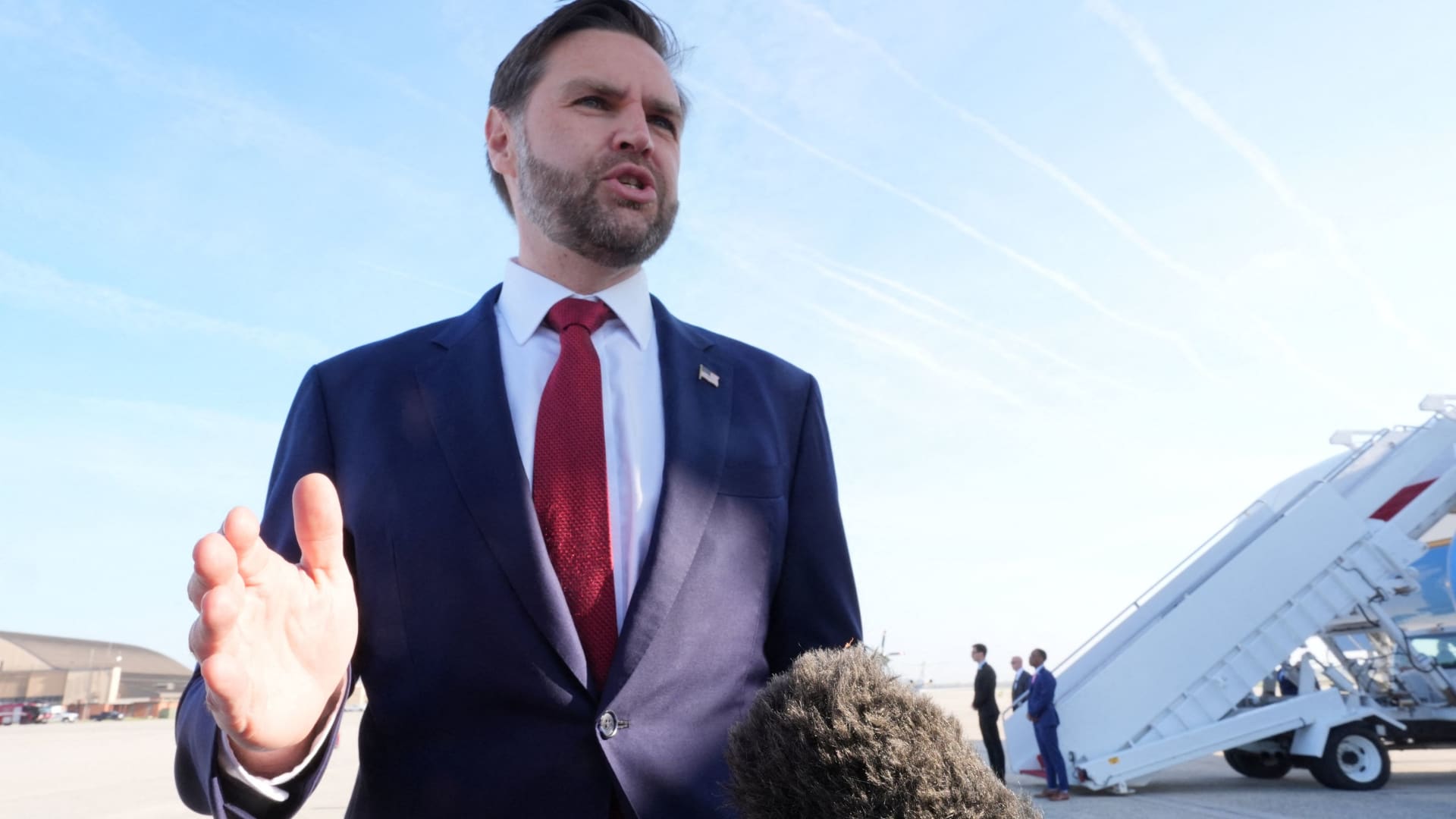
The diplomatic mission, which includes Vice President JD Vance, Steve Witkoff, and Jared Kushner, is working under a mandate from President Donald Trump to pursue a peaceful resolution while maintaining American strategic leverage. Although the delegation has expressed openness to constructive dialogue, they remain wary of engaging in negotiations that might be perceived as acting in bad faith. The situation is further strained by the fragility of a recent two-week ceasefire, which has yet to fully stabilize the region.
Beyond the immediate political demands, the dispute over the Strait of Hormuz remains a critical point of contention. As a vital maritime corridor for approximately 20% of the world’s crude oil, the strait is currently experiencing restricted traffic and the imposition of unauthorized fees on tankers. President Trump has publicly condemned these actions, labeling them as clear violations of existing agreements. The international community is closely monitoring these developments, as the resolution of these maritime and diplomatic disputes is viewed as essential for restoring global energy security and regional stability.
Key Takeaways
- Iran has conditioned future U.S. negotiations on the end of Israeli military actions in Lebanon and the release of frozen assets.
- A U.S. delegation led by Vice President JD Vance is currently in Pakistan to facilitate diplomatic progress.
- Ongoing restrictions and unauthorized fees in the Strait of Hormuz continue to threaten global oil supply chains.
Editor’s Analysis & Impact
The current diplomatic standoff underscores the fragile intersection of regional geopolitical conflicts and global energy security. By conditioning talks on specific military and economic concessions, Iran is attempting to shift the regional power balance while testing the resolve of the current U.S. administration. The U.S. strategy, characterized by a dual approach of diplomatic engagement and firm enforcement of maritime norms, faces a high risk of failure if the parties cannot reconcile their conflicting strategic goals. The broader implication is that the Strait of Hormuz remains a primary pressure point; any prolonged disruption here will likely trigger volatility in global oil markets. The future outlook remains uncertain, as the success of these negotiations depends on whether both sides can move beyond public posturing to address the underlying security concerns that currently prevent a lasting peace.
Frequently Asked Questions
Q: What are Iran's primary conditions for negotiating with the U.S.?
A: Iran is demanding a complete halt to Israeli military operations in Lebanon and the release of frozen Iranian assets before formal discussions can begin.
Q: Why is the Strait of Hormuz a focal point of the current tensions?
A: The Strait of Hormuz is a critical global energy artery that handles roughly 20% of the world's crude oil supply, and current restrictions on vessel traffic are seen as a violation of existing ceasefire terms.
AI Disclosure: This article is based on verified data and official reports. Our Team and AI have cross-referenced every financial detail with primary sources to ensure total accuracy.
More from this Category