U.S.-Iran Diplomatic Channels Shift to Remote Talks Amid Stalled Negotiations
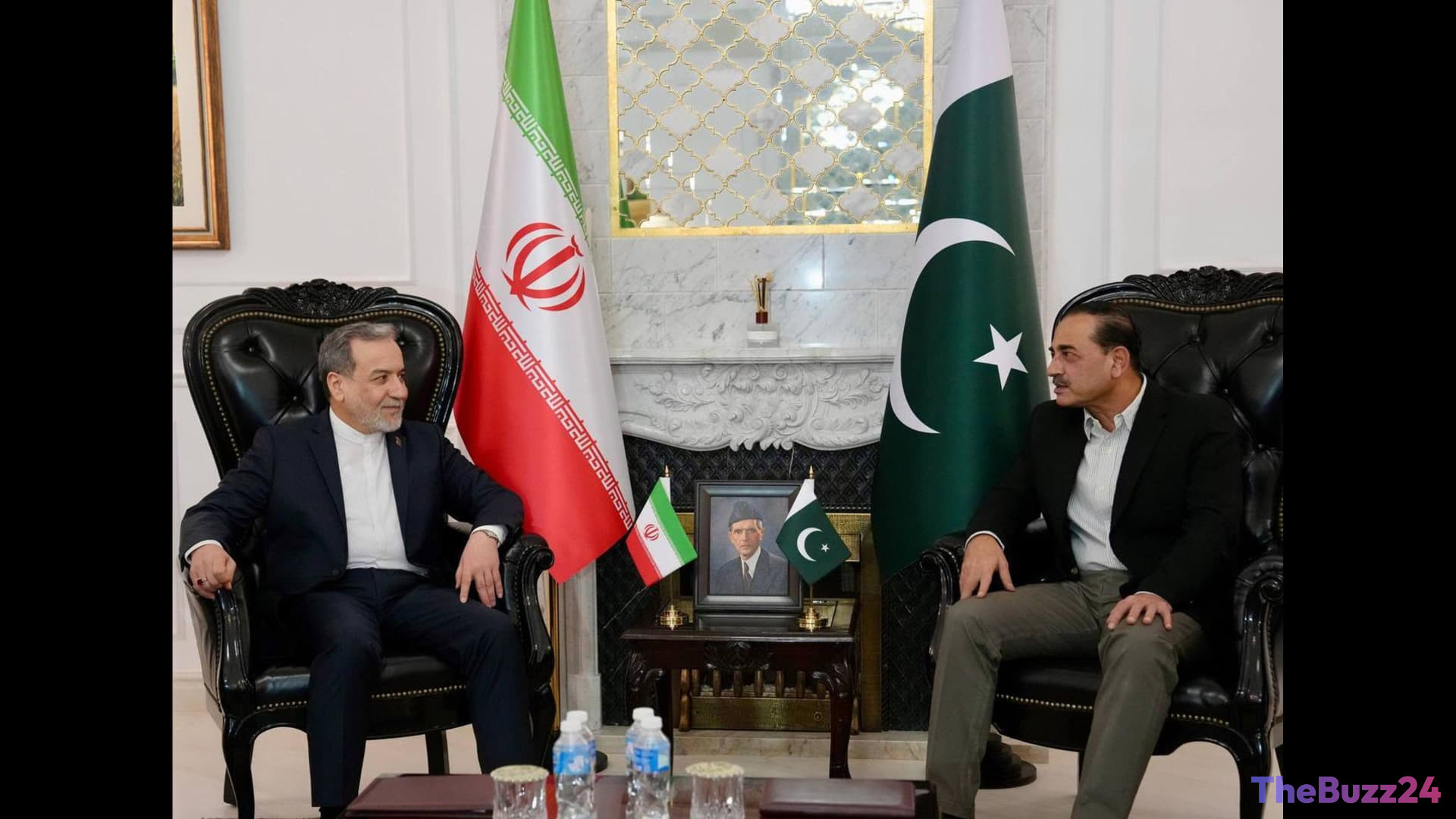
Diplomatic efforts to de-escalate tensions between the United States and Iran have entered a new phase, characterized by a transition from in-person envoy missions to remote communication. Iranian Foreign Minister Abbas Araghchi recently visited Islamabad as part of a broader regional tour that included stops in Oman and Moscow, aiming to maintain momentum in ongoing ceasefire discussions. However, the prospect of direct, face-to-face negotiations has dimmed following a directive from U.S. President Donald Trump, who signaled that future dialogue should be conducted via telephone rather than through physical diplomatic delegations.
The White House opted to cancel planned representative visits to Pakistan, citing a lack of tangible progress in previous rounds of talks. While the U.S. has signaled that it will not dispatch personnel to the region for the time being, the administration maintains that the door for communication remains open. Pakistani officials continue to serve as vital intermediaries, facilitating indirect exchanges between the two nations to preserve the fragile ceasefire that has been in effect since early April.
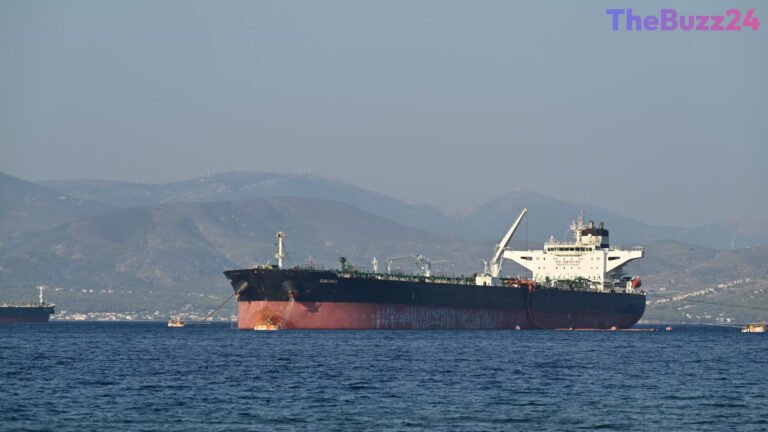
Despite the shift in diplomatic logistics, the core issues fueling the conflict remain unresolved. The Strait of Hormuz continues to be a primary flashpoint, with Iran pushing for new toll mechanisms on maritime traffic while the U.S. maintains a blockade on Iranian ports. These tensions have caused significant disruptions to global energy shipments and essential goods, exacerbating the economic strain on the region. Both nations continue to engage in military posturing, though the persistence of the ceasefire suggests a mutual interest in preventing a full-scale escalation.
Looking ahead, the path to a permanent resolution remains complex. Iran has reportedly submitted a revised proposal to the U.S., but President Trump has insisted that any long-term agreement must include stringent, verifiable guarantees regarding Iran’s nuclear program. As the international community monitors the situation, the effectiveness of these indirect, remote communication channels will be tested against the deep-seated geopolitical and economic disagreements that continue to divide the two powers.
Key Takeaways
- The U.S. and Iran have moved from in-person diplomatic missions to remote communication via telephone.
- A fragile ceasefire, active since early April, remains in place despite ongoing military posturing and economic blockades.
- The U.S. insists that any long-term agreement must include strict, verifiable guarantees concerning Iran's nuclear program.
Editor’s Analysis & Impact
The shift toward remote diplomacy marks a significant cooling in direct engagement, reflecting a ‘wait-and-see’ approach from the U.S. administration. By opting for telephone communication over physical envoy missions, the U.S. is signaling a desire to manage expectations and reduce the political capital invested in high-stakes, face-to-face summits that have thus far failed to yield a breakthrough. The reliance on intermediaries like Pakistan highlights the lack of trust between the two nations, yet the continued adherence to the ceasefire suggests that both sides are wary of the catastrophic economic and military costs of a renewed conflict. The future outlook remains volatile; until the core disputes regarding the Strait of Hormuz and nuclear oversight are addressed, these remote talks are likely to function more as a mechanism for crisis management than a pathway to a comprehensive peace treaty.
Frequently Asked Questions
Q: Why did the U.S. cancel in-person diplomatic missions to Pakistan?
A: The U.S. government decided to cancel the missions due to a perceived lack of progress in previous discussions and a preference for conducting future talks via telephone.
Q: What is the current status of the ceasefire between the U.S. and Iran?
A: A fragile ceasefire has been in place since early April, and while both sides continue to engage in military posturing, the maintenance of this agreement suggests a mutual desire to avoid further escalation.
AI Disclosure: This article is based on verified data and official reports. Our Team and AI have cross-referenced every financial detail with primary sources to ensure total accuracy.
More from this Category