Iran’s Trade Collapses Under Heavy U.S. Sanctions and Naval Blockade as Leadership Urges De-Dollarization
Iran’s economy is facing severe strain as a combination of intensified U.S. sanctions and a strict naval blockade has triggered a dramatic collapse in international trade. Iranian President Masoud Pezeshkian recently acknowledged that the nation’s total imports and exports have plummeted by 25% to 35%, with inbound shipments suffering the steepest decline. Addressing critics who downplay the impact of international pressure, Pezeshkian emphasized that the sharp contraction in trade volume is undeniable proof of the severe economic toll inflicted by foreign sanctions.
In response to the mounting economic pressure, Supreme Leader Mojtaba Khamenei has called for a strategic shift toward self-reliance. In a public message, Khamenei urged the country to accelerate the transition to a “Resistance Economy” by boosting domestic manufacturing and systematically phasing out the U.S. dollar from international trade. This push for de-dollarization comes as Washington ramps up its financial warfare. U.S. Treasury Secretary Scott Bessent recently initiated “Operation Economic Outcast,” a sweeping campaign designed to isolate Tehran from the global financial system. As part of this initiative, the U.S. Treasury proposed cutting off the United Arab Emirates branches of Egypt’s Banque Misr from the U.S. financial system, alleging the institution facilitated nearly $1.8 billion in transactions for Iranian-linked entities.
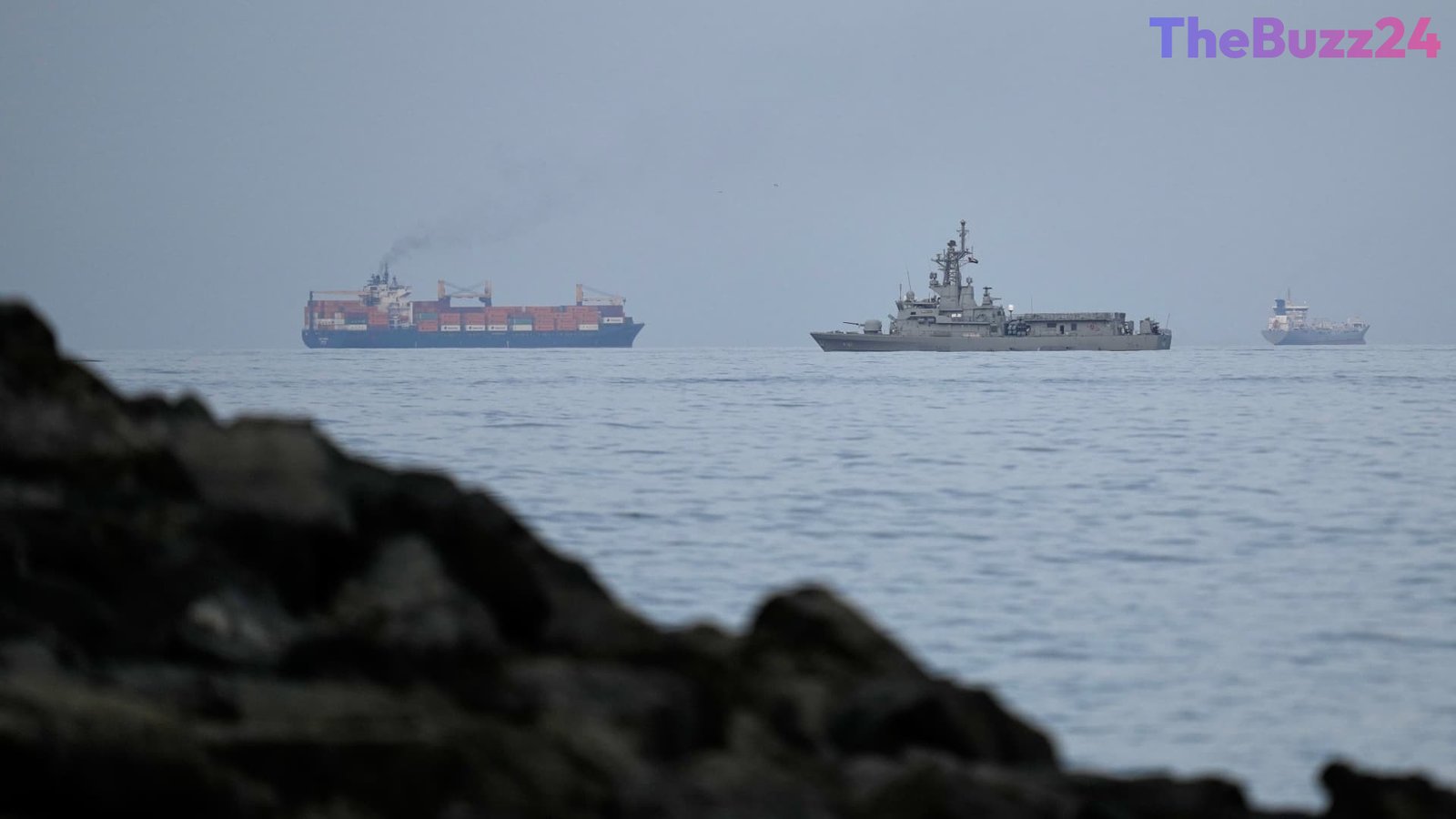
The energy sector, which serves as the backbone of Iran’s economy, has been particularly hard hit. Crude oil export loadings plunged to approximately 260,000 barrels per day in August, representing an 80% drop compared to the same period last year and a 70% decline from the previous month. This collapse follows a naval blockade reinstated by President Donald Trump in mid-July, following maritime tensions in the Strait of Hormuz. U.S. Central Command confirmed active enforcement of the blockade, reporting that forces have redirected dozens of commercial vessels and boarded others to ensure compliance.
Despite the severe disruptions, Iran’s Ministry of Petroleum maintains that the country possesses sufficient financial reserves to bypass the maritime blockades and sustain its budget through early 2027. The ministry reported transferring $7.5 billion in oil revenues to the central bank to cover essential foreign currency expenditures. However, as the military and economic standoff between the U.S., Israel, and Iran enters its sixth month with no diplomatic resolution in sight, the long-term viability of Iran’s economic resistance remains highly uncertain.
Key Takeaways
- Iranian trade has contracted by 25% to 35%, driven by a sharp drop in imports and a collapse in crude oil exports under heavy U.S. pressure.
- The U.S. has intensified its economic campaign through 'Operation Economic Outcast' and a naval blockade, reducing Iran's crude exports to just 260,000 barrels per day.
- Iranian leadership is pushing for a 'Resistance Economy' and de-dollarization, while claiming to have enough financial reserves to fund the government into 2027.
Editor’s Analysis & Impact
The dramatic reduction in Iran’s oil exports highlights the unprecedented efficacy of the current U.S. naval blockade and targeted financial sanctions. By targeting intermediary financial institutions, such as Banque Misr in the UAE, the U.S. Treasury is successfully choking off Iran’s shadow banking networks. However, this aggressive strategy carries significant geopolitical risks. Iran’s forced pivot toward a ‘Resistance Economy’ and accelerated de-dollarization could strengthen its economic ties with alternative power blocs like Russia and China, potentially accelerating the fragmentation of the global financial system. While Tehran claims to have sufficient reserves to survive the short term, a prolonged blockade will inevitably lead to severe domestic inflation, resource scarcity, and heightened regional instability. The ongoing conflict in the Middle East shows no signs of abating, and the economic warfare will likely dictate the terms of any future diplomatic negotiations.
Frequently Asked Questions
Q: Why has Iran's trade declined so sharply?
A: The decline is primarily driven by a combination of strict U.S. economic sanctions, the launch of 'Operation Economic Outcast,' and a U.S. naval blockade that has severely restricted Iran's ability to export crude oil and import essential goods.
Q: How is Iran planning to counter these economic measures?
A: Iranian leadership is advocating for a 'Resistance Economy' focused on boosting domestic production, reducing reliance on foreign imports, and phasing out the U.S. dollar in international trade.
Q: What is the status of Iran's oil exports?
A: Iran's crude oil exports have plummeted to approximately 260,000 barrels per day, marking an 80% decline compared to August of the previous year, largely due to the active enforcement of the maritime blockade in the region.
AI Disclosure: This article is based on verified data and official reports. Our Team and AI have cross-referenced every financial detail with primary sources to ensure total accuracy.
More from this Category