Israel and Lebanon Secure Framework Agreement for Lasting Regional Stability
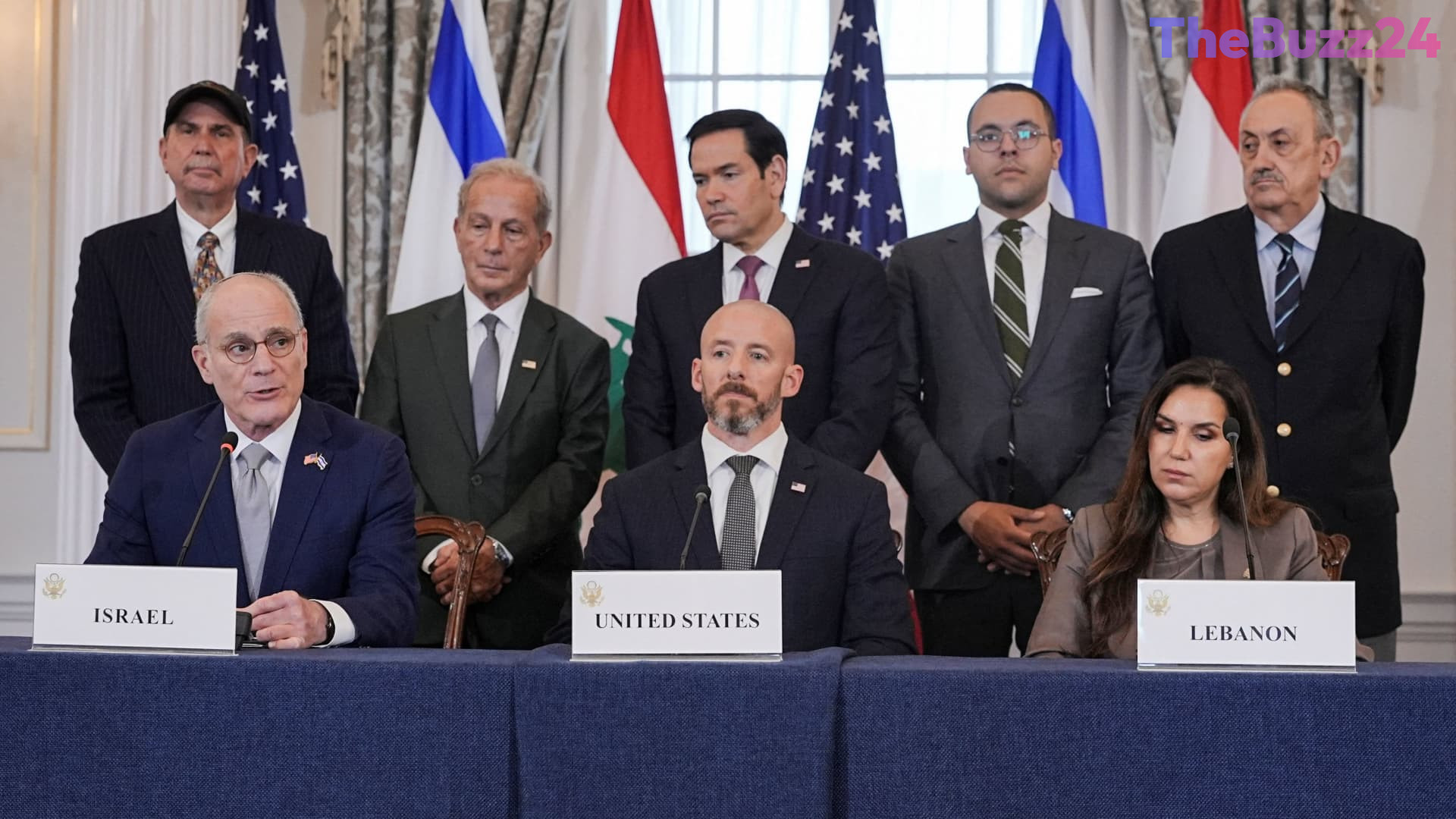
Secretary of State Marco Rubio has announced that Israel and Lebanon have successfully reached a framework agreement designed to establish long-term peace and security in the region. The deal, facilitated through intensive mediation by the United States, outlines a path toward a formal ceasefire between the two nations, marking a significant diplomatic milestone in a volatile geopolitical landscape.
The core of the agreement mandates a total cessation of hostilities, specifically requiring the paramilitary group Hezbollah to halt all fire and evacuate its operatives from the South Litani Sector in southern Lebanon. While the Lebanese government has committed to these terms, Hezbollah was not a direct signatory to the agreement, leaving the practical enforcement of the ceasefire subject to the group’s future actions.
To ensure the transition to stability, the United States and both involved governments have agreed to establish pilot zones where the Lebanese Armed Forces will maintain exclusive control. By removing non-state actors from these territories, officials hope to pave the way for a more comprehensive security arrangement. This development coincides with a broader 60-day pause in the ongoing conflict between the United States, Israel, and Iran, providing a window for further diplomatic negotiations.
Key Takeaways
- Israel and Lebanon have established a framework agreement for a ceasefire mediated by the United States.
- The agreement requires Hezbollah to cease fire and withdraw all personnel from the South Litani Sector in southern Lebanon.
- The plan includes the creation of pilot zones where the Lebanese Armed Forces will hold exclusive authority to ensure regional security.
Editor’s Analysis & Impact
The announcement of this framework agreement represents a critical pivot point in Middle Eastern diplomacy. By focusing on the South Litani Sector and empowering the Lebanese Armed Forces, the agreement attempts to address the long-standing issue of non-state actors operating within sovereign borders. However, the exclusion of Hezbollah from the formal signing process introduces significant implementation risk. The success of this initiative hinges on whether the Lebanese government can effectively project authority in the designated pilot zones without triggering further internal or external conflict. If successful, this framework could serve as a blueprint for de-escalating the broader tensions between the United States, Israel, and Iranian-backed proxies, potentially stabilizing regional trade and security corridors. Investors and geopolitical analysts should monitor the 60-day window closely, as any breach of the ceasefire could derail the fragile progress made toward a comprehensive peace deal.
Frequently Asked Questions
Q: Is Hezbollah a party to the new agreement?
A: No, Hezbollah was not a party to the agreement, which creates uncertainty regarding their compliance with the ceasefire terms.
Q: What is the primary goal of the pilot zones mentioned in the agreement?
A: The pilot zones are intended to allow the Lebanese Armed Forces to take exclusive control of specific territories, effectively removing non-state actors and creating a buffer for long-term security.
AI Disclosure: This article is based on verified data and official reports. Our Team and AI have cross-referenced every financial detail with primary sources to ensure total accuracy.
More from this Category