Escalation in Lebanon: Massive Air Strikes Deepen Regional Instability
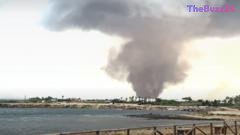
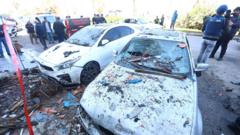
The Israeli military has launched an extensive series of air strikes across Lebanon, marking a significant intensification in the ongoing regional conflict. Within a ten-minute window, over 100 targets—identified as Hezbollah command centers and military infrastructure—were struck across the Bekaa Valley, southern Lebanon, and the southern suburbs of Beirut. The scale of the bombardment has placed immense pressure on local medical facilities, with reports indicating that hospitals are struggling to manage the influx of casualties while rescue operations continue in areas with collapsed infrastructure.
This surge in military activity follows the rejection by Prime Minister Benjamin Netanyahu’s office of reports suggesting that a recent ceasefire agreement between the United States and Iran would extend to the hostilities in Lebanon. The humanitarian toll of the conflict has reached critical levels, with over 1.2 million people displaced—nearly 20 percent of the nation’s population—and a death toll exceeding 1,500, including a significant number of children. Israeli forces maintain that these operations are necessary to dismantle Hezbollah’s military capabilities and establish a security buffer zone along the border, though the strategy has sparked concerns regarding the potential for a long-term occupation.
Hezbollah, which has engaged Israeli ground forces in the south while continuing to launch rocket and drone strikes into northern Israel, claims to be on the verge of a major strategic victory. Despite the group’s resilience, it faces growing internal pressure from Lebanese citizens who fear the country is being drawn into a protracted war to serve external interests. While the Lebanese government has proposed a framework for the disarmament of Hezbollah, the group has remained steadfast in its refusal to negotiate its arsenal. President Joseph Aoun has cautioned against the use of force to achieve disarmament, citing the risk of further civil instability, even as the government signals a willingness to pursue direct, albeit currently rejected, diplomatic channels with Israel.
Key Takeaways
- Israeli forces conducted a massive wave of air strikes across Lebanon, targeting over 100 Hezbollah-linked sites in a single operation.
- The conflict has resulted in the displacement of 1.2 million people and over 1,500 civilian deaths, creating a severe humanitarian crisis.
- Diplomatic efforts remain stalled as Israel rejects the inclusion of Lebanon in broader ceasefire deals, and Hezbollah refuses to discuss disarmament.
Editor’s Analysis & Impact
The current escalation represents a dangerous inflection point in Middle Eastern geopolitics. By targeting Hezbollah’s infrastructure with such intensity, Israel is attempting to fundamentally alter the security landscape along its northern border, effectively seeking to enforce a buffer zone through kinetic force. However, the humanitarian fallout and the displacement of over a million people threaten to destabilize Lebanon’s fragile socio-political fabric, potentially fueling long-term sectarian tensions. The refusal of both parties to engage in meaningful diplomatic dialogue, coupled with Hezbollah’s demonstrated military resilience, suggests that the conflict is unlikely to reach a resolution in the near term. The broader implication is a prolonged period of regional volatility that could draw in external actors, further complicating the path toward a sustainable ceasefire and regional security architecture.
Frequently Asked Questions
Q: Why are Israeli forces conducting air strikes in Lebanon?
A: The military states the operations are intended to dismantle Hezbollah's infrastructure and establish a security buffer zone to protect northern Israel from rocket and drone attacks.
Q: What is the current humanitarian situation in Lebanon?
A: The situation is critical, with over 1.2 million people displaced, hospitals overwhelmed, and many civilians forced to live in improvised shelters or vehicles due to the destruction of residential areas.
AI Disclosure: This article is based on verified data and official reports. Our Team and AI have cross-referenced every financial detail with primary sources to ensure total accuracy.
More from this Category