Israel Escalates Military Offensive Against Hezbollah Amidst Diplomatic Deadlock
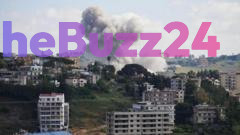
Prime Minister Benjamin Netanyahu has ordered the Israel Defense Forces (IDF) to intensify military operations against Hezbollah, signaling a major escalation in the regional conflict. Following a call for a decisive strike against the militant group, the IDF has launched heavy bombardment across Lebanon, specifically targeting the Bekaa Valley and various southern regions. Netanyahu noted that while the campaign has already neutralized over 600 combatants, a more aggressive military approach is necessary to achieve strategic goals.
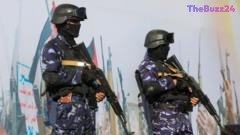
In response to the increased strikes, Hezbollah has launched a wave of 22 drone and rocket attacks aimed at Israeli military positions, including tanks and personnel barracks. The group has characterized these strikes as retaliation for alleged violations of the existing ceasefire. The ongoing hostilities have caused a significant humanitarian crisis, with more than 400 deaths reported in Lebanon since mid-April and over one million civilians displaced from their homes.
Despite the surge in violence, diplomatic channels remain open. Officials are scheduled to meet in Washington next week to pursue further negotiations. However, the path to peace remains obstructed by conflicting demands: the Lebanese government is calling for a full Israeli withdrawal from the south, while Israel maintains that its operations against Hezbollah must continue until its security objectives are met. The situation remains highly volatile, with international observers closely watching for potential involvement from broader regional powers.
Key Takeaways
- Israel has ordered an intensified military campaign against Hezbollah, targeting key areas in Lebanon.
- Hezbollah has retaliated with drone and rocket strikes against Israeli military assets.
- High-level diplomatic negotiations are set to take place in Washington next week to address the escalation.
Editor’s Analysis & Impact
The shift toward a more aggressive military stance by Israel suggests that the previous ceasefire was viewed as insufficient for long-term security. By aiming for a ‘crushing blow,’ the Israeli leadership is raising the stakes, which could either force Hezbollah into a more favorable negotiation position or trigger a wider regional war. The humanitarian toll in Lebanon is already immense, and continued escalation threatens to destabilize the entire region, particularly with the shadow of Iranian involvement looming. The upcoming Washington talks will be a critical litmus test for whether diplomacy can still function in the face of such intense kinetic activity. If these talks fail, the likelihood of a full-scale regional conflict increases significantly, potentially drawing in more international actors and complicating the geopolitical landscape for years to come.
Frequently Asked Questions
Q: What triggered the recent escalation in the conflict?
A: The escalation follows orders from Prime Minister Netanyahu to intensify the IDF's offensive against Hezbollah, which was met with retaliatory drone and rocket attacks from the militant group.
Q: What is the humanitarian situation in Lebanon?
A: The conflict has resulted in over 400 deaths and the displacement of more than one million civilians since the mid-April ceasefire was established.
Q: Are there any diplomatic efforts underway to stop the fighting?
A: Yes, officials are scheduled to meet in Washington next week to engage in further negotiations aimed at resolving the conflict.
AI Disclosure: This article is based on verified data and official reports. Our Team and AI have cross-referenced every financial detail with primary sources to ensure total accuracy.
More from this Category