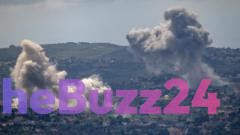
Tragedy in Southern Lebanon: Emergency Rescuers Killed in Targeted Strike
A devastating air strike in the town of Majdal Zoun, southern Lebanon, has resulted in the deaths of five individuals, including three members of the Lebanese Civil Defense. The emergency responders were killed while actively working to assist victims of an initial explosion. Reports indicate that the team was struck by a secondary missile while navigating the debris, a tactical maneuver commonly referred to as a ‘double-tap’ strike.
Lebanese Prime Minister Nawaf Salam has publicly condemned the attack, characterizing the targeting of medical and rescue personnel as a war crime. The loss of Hussein Ghadbouni, Hussein Sati, and Hadi Daher has sparked widespread outrage and renewed concerns regarding the safety of humanitarian workers in the conflict zone. According to the Lebanese health ministry, the death toll for health professionals in the region has now surpassed 100 since the current escalation of hostilities began.
Despite the existence of a U.S.-brokered ceasefire, the situation in southern Lebanon remains volatile. While the agreement was designed to de-escalate tensions, the Israeli military continues to assert its right to conduct defensive operations against perceived threats. Meanwhile, Lebanese officials maintain that the targeting of emergency infrastructure and personnel constitutes a flagrant violation of international humanitarian law. Human rights organizations are now calling for an urgent international investigation into these patterns of warfare, emphasizing that the protection of aid workers is a fundamental requirement under global norms.
Key Takeaways
- Three Lebanese Civil Defense rescuers were killed in a 'double-tap' air strike in Majdal Zoun.
- The Lebanese government has labeled the targeting of emergency responders as a war crime.
- Over 100 health professionals have lost their lives in the region since the current conflict escalated.
Editor’s Analysis & Impact
The targeting of emergency responders in conflict zones represents a significant erosion of international humanitarian norms, specifically the Geneva Conventions which mandate the protection of medical and rescue personnel. From a geopolitical perspective, this incident complicates the already fragile U.S.-brokered ceasefire, as it undermines trust between the involved parties and fuels domestic pressure within Lebanon for a more aggressive response. The recurring nature of ‘double-tap’ strikes suggests a shift in military tactics that prioritizes the neutralization of infrastructure over the protection of non-combatants. Moving forward, the international community faces a difficult challenge: without credible, independent investigations into these incidents, the cycle of violence is likely to intensify, further destabilizing the border region and creating a long-term humanitarian crisis that may require significant diplomatic intervention to resolve.
Frequently Asked Questions
Q: What is a 'double-tap' strike?
A: A 'double-tap' strike is a military tactic where a second attack is launched at the same location shortly after the first, specifically targeting first responders, civilians, or others arriving to assist the victims of the initial blast.
Q: Are emergency responders protected under international law?
A: Yes, under international humanitarian law, medical personnel, ambulances, and rescue workers are considered protected persons and should not be the target of military operations during an armed conflict.
AI Disclosure: This article is based on verified data and official reports. Our Team and AI have cross-referenced every financial detail with primary sources to ensure total accuracy.
More from this Category