Jeff Bezos Challenges ‘Buy, Borrow, Die’ Tax Narrative, Advocates for Broader Economic Reform
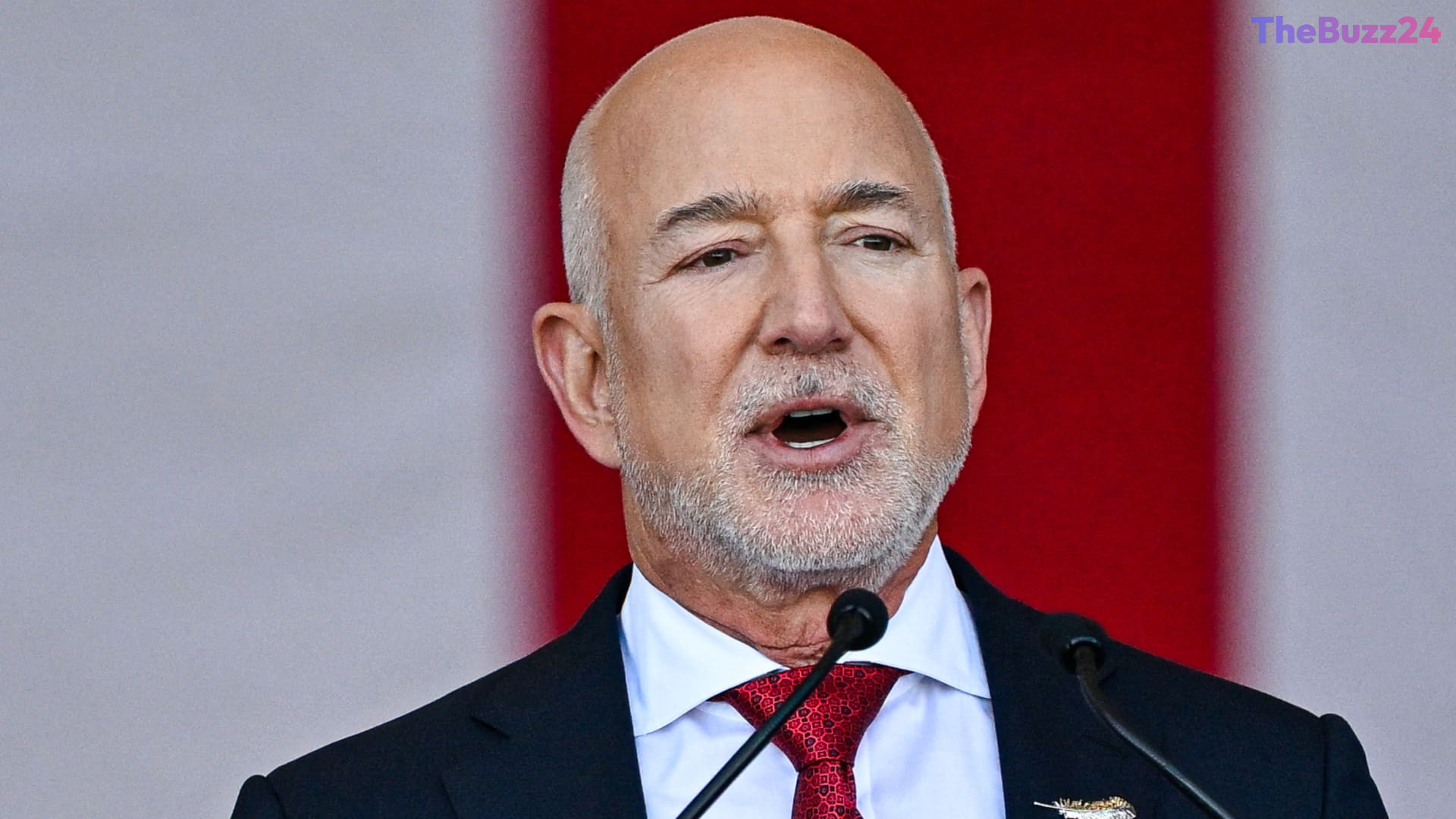
Amazon executive chairman Jeff Bezos has publicly dismissed the widely discussed ‘buy, borrow, die’ tax strategy, labeling the concept a myth. This strategy, frequently attributed to ultra-wealthy individuals, involves leveraging personal assets to secure loans, thereby generating liquidity without triggering taxable income. Proponents of this theory suggest that by avoiding asset sales, the wealthy can bypass capital gains taxes entirely, with the ‘step-up in basis’ provision at death further eliminating tax liabilities on accumulated appreciation.
Despite the prevalence of this narrative in public and political discourse, Bezos asserts that he does not employ such methods to manage his own tax obligations. He clarified that he routinely sells Amazon stock to finance his various ventures, including his aerospace company, Blue Origin, and pays the corresponding taxes on these transactions. While high-profile figures like Oracle co-founder Larry Ellison and Tesla CEO Elon Musk are often cited in discussions about asset-backed borrowing, the specifics of their individual financial arrangements remain complex.
Bezos expressed skepticism regarding the actual existence of a formal ‘buy, borrow, die’ loophole but indicated an openness to tax reform if such mechanisms are definitively proven to be unfair. However, he cautioned against an exclusive focus on these specific tax strategies, suggesting it could divert attention from more significant economic challenges. According to Bezos, merely closing such perceived loopholes would not address systemic issues such as government spending or the financial pressures faced by the average working-class citizen, implying that more comprehensive policy solutions are necessary to tackle wealth inequality effectively.
Key Takeaways
- Jeff Bezos publicly disputes the existence and use of the 'buy, borrow, die' tax strategy by the ultra-wealthy, calling it a myth.
- Bezos states he regularly sells Amazon stock to fund ventures like Blue Origin and pays the associated capital gains taxes.
- He advocates for broader economic reforms beyond just closing specific tax loopholes, emphasizing issues like government spending and the financial burdens on the working class.
Editor’s Analysis & Impact
Jeff Bezos’s public dismissal of the ‘buy, borrow, die’ tax strategy injects a significant voice into the ongoing debate about wealth taxation and economic fairness. His comments could influence public perception, potentially shifting the narrative from specific tax avoidance tactics to broader systemic issues. This intervention might pressure policymakers to scrutinize existing tax codes more closely, particularly those concerning capital gains and inheritance, though Bezos himself advocates for a wider lens.
The future outlook suggests continued, perhaps intensified, discussions on wealth inequality and tax reform. Bezos’s call for comprehensive solutions, rather than just loophole closures, highlights a potential divergence in how economic challenges are framed and addressed. This perspective could shape future policy proposals, moving beyond targeted tax adjustments to consider more fundamental changes in government spending and support for the working class, impacting both financial markets and social policy.
Frequently Asked Questions
Q: What is the 'buy, borrow, die' tax strategy?
A: The 'buy, borrow, die' strategy is a theoretical approach where wealthy individuals borrow against their appreciating assets (like stocks or real estate) to access cash without selling them, thereby avoiding capital gains taxes. Upon their death, these assets receive a 'step-up in basis,' potentially eliminating tax liabilities on the appreciation for their heirs.
Q: Does Jeff Bezos use this strategy?
A: No, Jeff Bezos explicitly stated that he does not use this strategy. He clarified that he regularly sells Amazon stock to fund his various ventures, such as Blue Origin, and pays the required taxes on those sales.
Q: What is Bezos's view on tax reform?
A: While skeptical about the existence of a formal 'buy, borrow, die' loophole, Bezos is open to tax reform if unfair mechanisms are proven. However, he believes that focusing solely on such loopholes distracts from larger economic challenges like government spending and the financial burdens faced by average citizens, advocating for more comprehensive policy solutions to address wealth inequality.
AI Disclosure: This article is based on verified data and official reports. Our Team and AI have cross-referenced every financial detail with primary sources to ensure total accuracy.
More from this Category