JPMorgan Chase Eyes Potential $20 Billion Strategic Acquisition
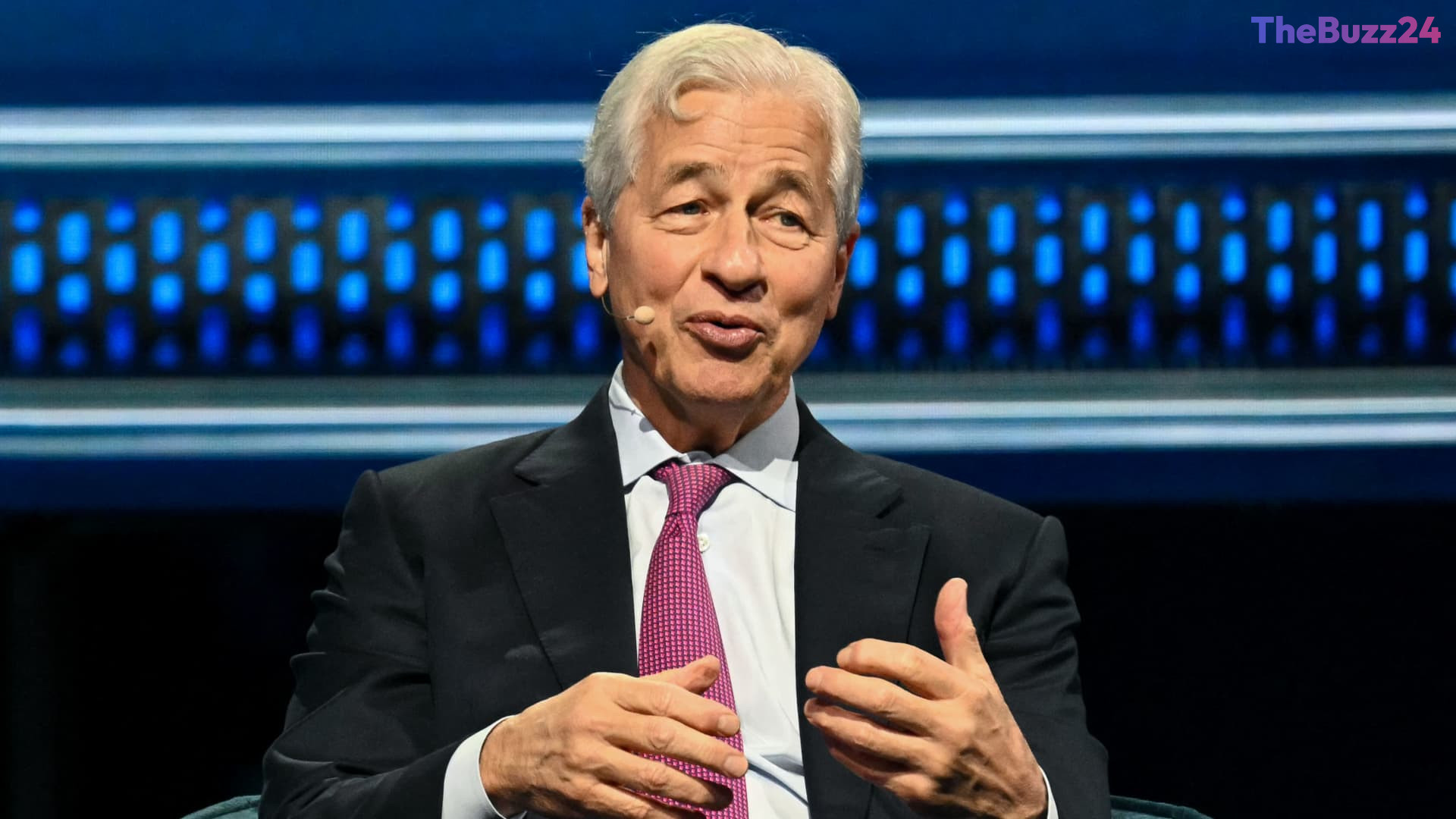
JPMorgan Chase is positioning itself for a major expansion, with CEO Jamie Dimon signaling that the financial institution has the capital capacity to pursue an acquisition worth up to $20 billion. Such a transaction would mark the most substantial deal during Dimon’s twenty-year tenure at the helm of the bank, potentially testing the boundaries of current regulatory frameworks governing the consolidation of large-scale U.S. financial entities.
While the bank is actively scouting for opportunities, leadership remains cautious about prioritizing dealmaking over internal development. Dimon noted that acquisitions should not be viewed as a substitute for organic growth, warning that companies often use mergers to mask operational deficiencies. Instead, the bank’s primary strategy continues to center on technological innovation, the expansion of its physical branch network, and the enhancement of core service offerings.
Any future acquisition will be held to strict standards, requiring that the target company demonstrate strong cultural alignment and the ability to integrate seamlessly into JPMorgan Chase’s existing infrastructure. The bank’s history of growth has been defined by a disciplined approach, favoring organic expansion while selectively acquiring distressed assets during periods of economic volatility, such as the purchases of Bear Stearns, Washington Mutual, and First Republic Bank.
Key Takeaways
- JPMorgan Chase has identified the capacity to deploy up to $20 billion for a potential large-scale acquisition.
- CEO Jamie Dimon emphasizes that organic growth, technology, and service improvements remain the bank's primary strategic focus over M&A.
- Any potential deal must meet rigorous integration and cultural alignment criteria to be considered by the bank's leadership.
Editor’s Analysis & Impact
JPMorgan Chase’s willingness to consider a $20 billion acquisition signals a potential shift in the banking landscape, where scale remains a critical competitive advantage. By maintaining a disciplined stance that prioritizes organic growth, the bank avoids the common pitfall of ‘growth by acquisition’ that often leads to integration failures. However, the regulatory environment for large financial institutions remains stringent; any move of this magnitude will likely face intense scrutiny from antitrust regulators concerned about market concentration. If JPMorgan proceeds, it will likely target a firm that offers immediate technological synergies or niche market dominance rather than a traditional retail competitor. This strategy suggests that the bank is preparing for a future where digital infrastructure and operational efficiency are the primary determinants of long-term profitability in the financial services sector.
Frequently Asked Questions
Q: Is JPMorgan Chase planning to make an acquisition immediately?
A: Not necessarily. While the bank has the capacity to spend up to $20 billion, leadership maintains that organic growth remains the priority and any acquisition must meet strict strategic and cultural criteria.
Q: What kind of companies has JPMorgan Chase acquired in the past?
A: Historically, JPMorgan Chase has focused on organic growth but has made strategic acquisitions during economic crises, such as the purchases of Bear Stearns, Washington Mutual, and First Republic Bank.
AI Disclosure: This article is based on verified data and official reports. Our Team and AI have cross-referenced every financial detail with primary sources to ensure total accuracy.
More from this Category