Justice Served: Life Sentences Handed to Killers of Renowned Botanists in South Africa
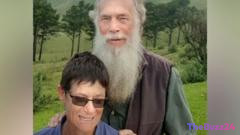
A South African court has handed down multiple life sentences to three individuals convicted of the brutal 2018 kidnapping, robbery, and murder of dual British-South African botanists Rachel and Rodney Saunders. The Durban High Court in KwaZulu-Natal delivered the final ruling, bringing a close to a harrowing case that shocked the international scientific community. The victims, aged 64 and 73 respectively, were targeted while conducting field research in a remote forest reserve.
The Saunders, who ran a successful Cape Town-based seed business, disappeared in February 2018 while exploring the Ngoye Forest to collect rare indigenous plants. Investigators later discovered their blood-stained vehicle, and their bodies were eventually recovered from the Tugela River. During the ordeal, the perpetrators drained approximately 734,000 rand ($44,700 USD) from the couple’s bank accounts to purchase various goods. Police quickly apprehended Saffydeen Aslam del Vecchio and Fatima Patel days after the disappearance, discovering the victims’ belongings in their possession. A third accomplice, Malawian national Ahmad Mussa, was arrested shortly thereafter.
In addition to the double life sentences for murder, the trio received 15-year sentences for aggravated robbery and four years for theft. Del Vecchio received an additional five-year term for an unrelated property damage charge, with all sentences set to run concurrently. The trial also highlighted disturbing background details, including allegations that Del Vecchio and Patel had previously hoisted an Islamic State group flag in the reserve where the botanists were abducted. Patel had also been detained in a 2016 anti-terrorism raid but was never charged at that time.
Key Takeaways
- Three individuals have been sentenced to double life terms for the 2018 kidnapping and murder of botanists Rachel and Rodney Saunders in South Africa.
- The perpetrators robbed the victims of over 734,000 rand and were caught with the couple's personal belongings shortly after their disappearance.
- The case drew international attention due to the victims' scientific contributions and the suspects' alleged links to extremist groups.
Editor’s Analysis & Impact
The conviction and sentencing of the perpetrators bring a long-awaited resolution to a tragedy that deeply impacted both the botanical research community and South Africa’s tourism reputation. The country has long grappled with high rates of violent crime, but the targeting of international researchers and eco-tourists presents a specific threat to its scientific and travel sectors. This case also underscores the growing concern over localized extremist influences, as highlighted by the suspects’ alleged ties to ISIS symbols. For South Africa, securing a successful prosecution in such a high-profile international case is crucial for demonstrating judicial capability and a commitment to safety. However, the underlying security challenges in remote conservation areas remain a persistent issue that authorities must address to protect both local and international field researchers.
Frequently Asked Questions
Q: Who were Rachel and Rodney Saunders?
A: Rachel and Rodney Saunders were respected dual British-South African botanists and business owners who traveled extensively to collect and preserve indigenous seeds.
Q: What sentences did the convicted individuals receive?
A: The three defendants each received two life sentences for murder, alongside additional concurrent sentences of 15 years for aggravated robbery and four years for theft.
Q: Where did the incident take place?
A: The couple was kidnapped in the Ngoye Forest in KwaZulu-Natal, South Africa, and their bodies were later recovered from the Tugela River.
AI Disclosure: This article is based on verified data and official reports. Our Team and AI have cross-referenced every financial detail with primary sources to ensure total accuracy.
More from this Category