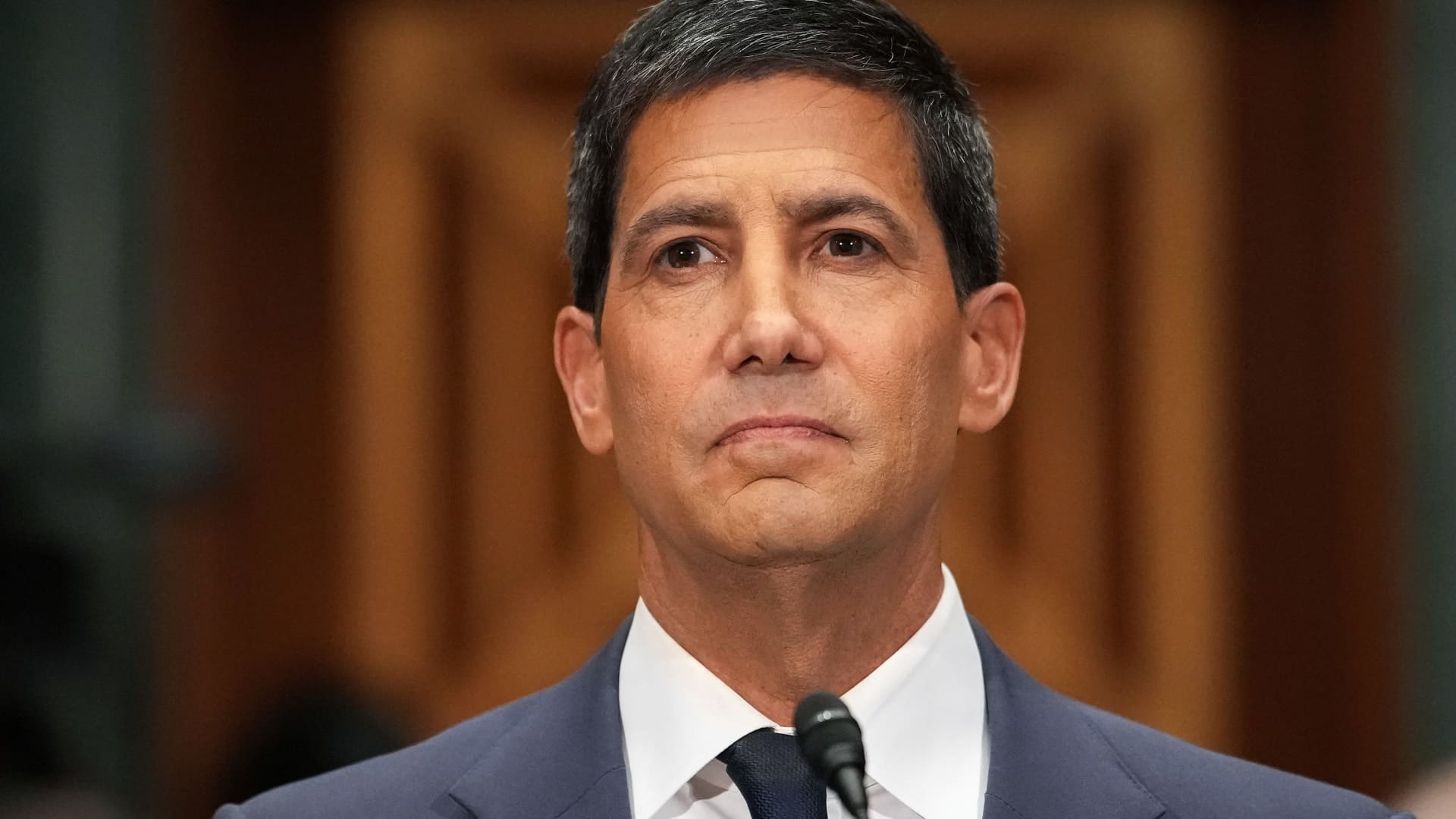
Federal Reserve Nominee Kevin Warsh’s Financial Disclosures Spotlight Family Office Investment Loopholes
Kevin Warsh, a leading candidate for the position of Federal Reserve Chair, has revealed a personal fortune exceeding $100 million managed through the Duquesne Family Office. The firm, which serves as the private investment vehicle for billionaire Stanley Druckenmiller, has employed Warsh as a partner and advisor since 2011. These disclosures have brought renewed scrutiny to a specific regulatory framework that allows high-level employees at single-family offices to co-invest alongside the ultra-wealthy families they serve.
Under a 2011 Securities and Exchange Commission (SEC) rule, family offices are exempt from registering as investment advisors provided they manage assets primarily for “family clients.” This definition extends beyond blood relatives to include “key employees” who hold senior roles or have been actively involved in the firm’s investment activities for at least a year. This provision was originally designed to help private firms compete with major financial institutions by offering lucrative, performance-based compensation and co-investment opportunities to attract top-tier talent.
Warsh’s financial filings indicate two major stakes, each valued at over $50 million, within the Duquesne-managed Juggernaut Fund. While Warsh has pledged to divest these holdings if confirmed as Fed Chair, the process remains under intense observation. Lawmakers have questioned the transparency of such a liquidation, particularly regarding whether the assets would be sold back to the Druckenmiller family. Legal experts note that because these are private investments, exiting them is complex, often requiring the firm or the founder to act as the primary buyer to maintain regulatory compliance.
Despite the political pressure surrounding his nomination, industry analysts suggest that the current regulatory environment for family offices is unlikely to change. Experts argue that the SEC is generally satisfied with the existing “key employee” framework, which offers firms significant flexibility. Unless a high-profile dispute arises involving significant financial losses for an employee, regulators are expected to maintain the status quo, leaving the current structure of family office compensation largely untouched.
Key Takeaways
- Kevin Warsh’s $100 million-plus investment in the Duquesne Family Office highlights the use of the 'key employee' exemption in SEC regulations.
- The 2011 SEC rule allows family offices to treat senior staff as 'family clients,' enabling them to participate in exclusive co-investment opportunities.
- Warsh has committed to divesting his private fund stakes if confirmed as Fed Chair, though the mechanics of such a sale remain a point of contention for lawmakers.
Editor’s Analysis & Impact
The scrutiny surrounding Kevin Warsh’s financial disclosures highlights a growing tension between private wealth management structures and public accountability. The ‘key employee’ exemption is a vital tool for family offices to retain elite talent, yet it creates a opaque layer of financial activity that is rarely visible to the public. From a market perspective, this story underscores the massive scale of capital moving through private family offices, which often operate with significantly less oversight than traditional investment firms. While this specific case is unlikely to trigger a broad regulatory overhaul, it serves as a reminder that as more wealth shifts into private vehicles, the definition of ‘private’ versus ‘public’ interest will continue to be challenged. Future policy discussions may focus on increasing transparency requirements for high-level government appointees who utilize these private structures.
Frequently Asked Questions
Q: What is the 'key employee' exemption for family offices?
A: It is an SEC provision that allows senior employees of a family office to be treated as 'family clients,' permitting them to co-invest alongside the family without the firm having to register as a formal investment advisor.
Q: Why is Kevin Warsh’s divestment considered complex?
A: Because the investments are in private funds rather than public stocks, there is no open market to sell them. He must likely sell them back to the firm or the family, which raises questions about valuation and transparency.
AI Disclosure: This article is based on verified data and official reports. Our Team and AI have cross-referenced every financial detail with primary sources to ensure total accuracy.
More from this Category