Key Suspect in 2013 Tadamon Massacre Apprehended in Syria
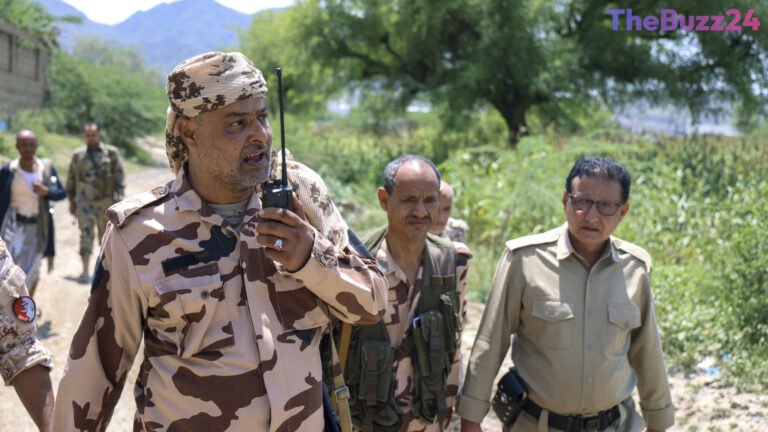
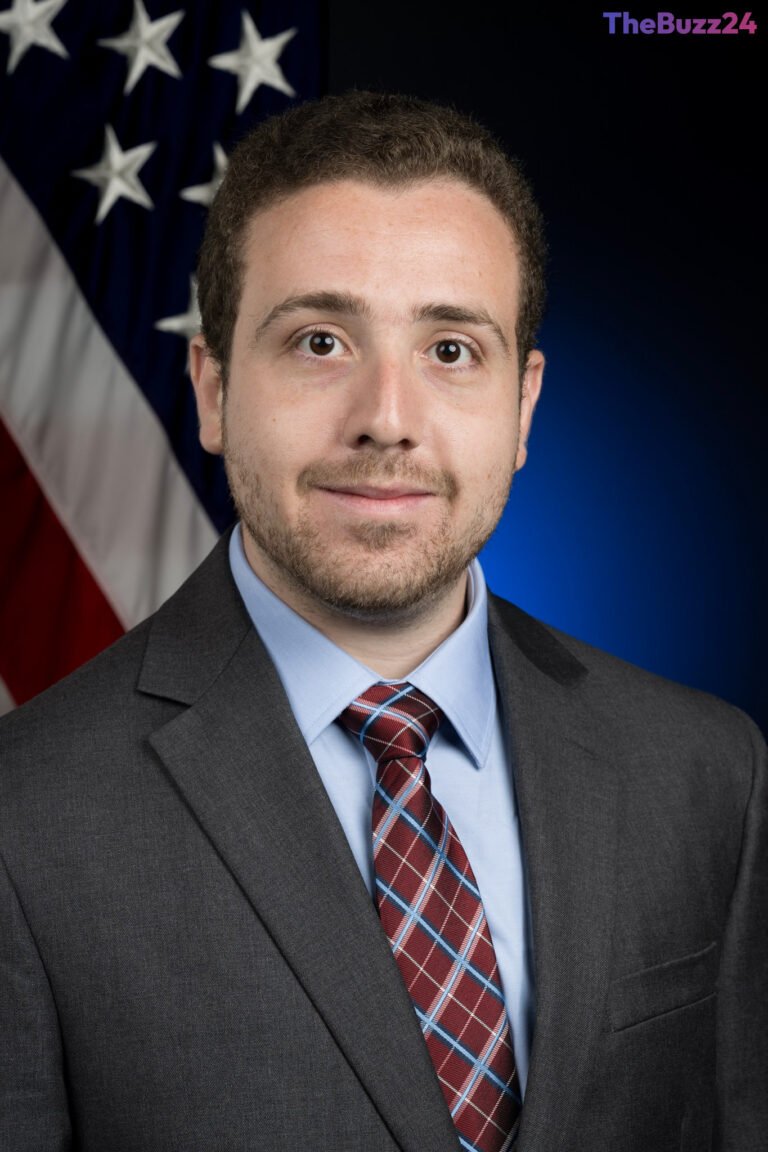
Syrian authorities have confirmed the arrest of Amjad Youssef, a primary suspect linked to the 2013 massacre in the Tadamon district of Damascus. Youssef was taken into custody during a police operation in the Hama province. Officials reported that the suspect sustained visible injuries to his forehead and nose during the apprehension process.
The Tadamon massacre gained global attention in 2022 when harrowing footage surfaced, documenting the execution of at least 41 civilians. The videos, which were recorded by the perpetrators themselves, depicted soldiers blindfolding victims and forcing them into a pit before opening fire. These recordings provided rare, undeniable visual evidence of the extrajudicial killings that characterized the early years of the Syrian civil war.
Investigations into the site have led to broader estimates regarding the scale of the violence, with some reports suggesting that the total death toll in the Tadamon area could reach as high as 288 people. The incident has been widely characterized as a systematic act of state-sanctioned violence, serving as a grim reminder of the atrocities committed during the conflict.
While the Syrian government has historically denied allegations of systematic abuse, the detention of Youssef marks a significant, albeit rare, development in the pursuit of accountability. The arrest is expected to draw renewed international scrutiny regarding war crimes and may impact ongoing discussions surrounding justice and reconciliation within the region.
Key Takeaways
- Amjad Youssef, a key suspect in the 2013 Tadamon massacre, has been arrested in Hama province.
- The 2013 massacre gained international notoriety in 2022 after video evidence showed the execution of at least 41 civilians.
- The arrest represents a rare instance of potential accountability for wartime atrocities in Syria, where such prosecutions have been historically scarce.
Editor’s Analysis & Impact
The arrest of Amjad Youssef serves as a pivotal moment in the long-standing discourse surrounding accountability for the Syrian civil war. For years, the lack of legal repercussions for high-ranking officials involved in documented atrocities has been a major point of contention for international human rights organizations. By taking a suspect into custody, the Syrian administration faces a delicate balancing act: managing domestic perceptions while navigating the potential for increased international pressure. If this arrest leads to a transparent trial, it could set a precedent for future accountability. However, if the process lacks transparency, it may be viewed merely as a performative gesture to deflect global criticism. The broader implication is a shift in how evidence—specifically digital evidence like the Tadamon videos—is utilized to challenge state narratives regarding wartime conduct.
Frequently Asked Questions
Q: What was the Tadamon massacre?
A: The Tadamon massacre was a 2013 incident in Damascus where at least 41 civilians were executed by soldiers, an event later documented in graphic video footage released in 2022.
Q: Why is the arrest of Amjad Youssef significant?
A: It is significant because it represents a rare move toward accountability for wartime atrocities in Syria, where few officials have faced legal consequences for actions taken during the civil war.
AI Disclosure: This article is based on verified data and official reports. Our Team and AI have cross-referenced every financial detail with primary sources to ensure total accuracy.
More from this Category