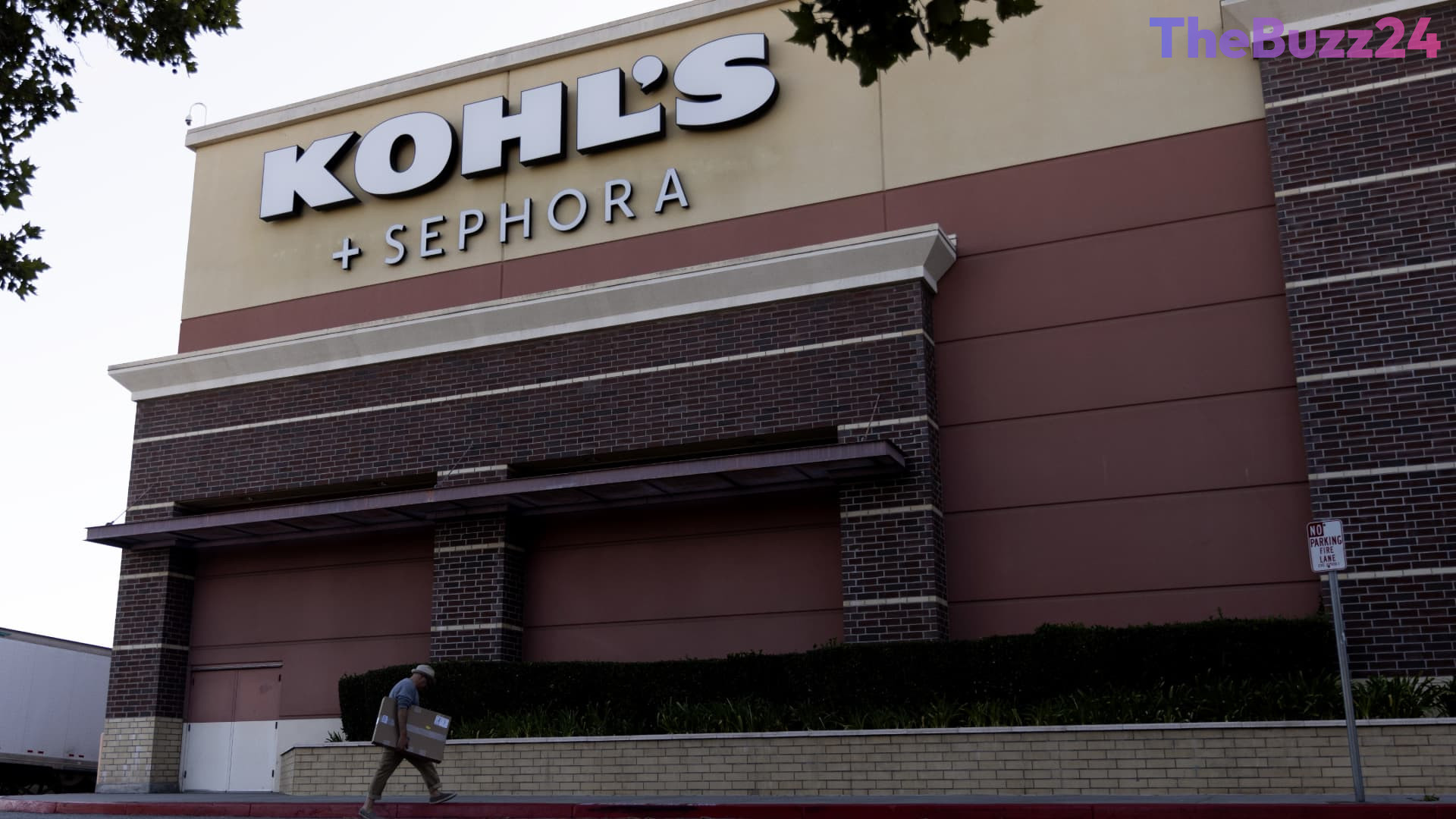
Kohl’s Pivots Back to Basics in Bid to Reclaim Retail Relevance
Kohl’s is undergoing a significant strategic transformation as it attempts to reverse years of declining performance and reconnect with its core customer base. After struggling to maintain its identity in an increasingly competitive retail landscape, the company is moving away from experimental shifts in business models to refocus on the value-driven approach that originally defined its success. CEO Michael Bender has emphasized that the retailer’s future depends on clarity, specifically by prioritizing the proprietary brands, consistent promotions, and customer-centric shopping experiences that once made the chain a household name.
The retailer’s recent history has been marked by volatility, including a sharp decline in stock value and shifting priorities that alienated long-time shoppers. By attempting to mimic off-price competitors and reducing its focus on essential categories like jewelry and petites, the company inadvertently pushed its core demographic toward other retailers. This period of instability was compounded by intense pressure from e-commerce giants and big-box competitors, leading to stagnant sales and a loss of market share. However, recent quarterly results suggest a potential turning point, with the company reporting its best comparable sales growth in four years.
Looking ahead, Kohl’s is balancing its return to traditional strengths with modern initiatives aimed at attracting younger demographics. The integration of Sephora shop-in-shops remains a cornerstone of this effort, designed to drive foot traffic among Generation Z consumers. While analysts remain cautious, noting that the company is still in the early stages of its turnaround, the recent uptick in share price indicates that investors are beginning to see the potential in this back-to-basics strategy. The path forward remains challenging, but leadership maintains that by listening to the customer and providing reliable value, the company can secure its place in the modern retail market.
Key Takeaways
- Kohl’s is abandoning previous off-price retail experiments to return to its core identity of value-driven, promotional shopping.
- The company is focusing on restoring essential product categories and improving the in-store experience to win back alienated customers.
- Strategic partnerships like Sephora are being leveraged to attract younger shoppers, though the retailer faces ongoing pressure from broader economic factors and intense competition.
Editor’s Analysis & Impact
The turnaround attempt at Kohl’s serves as a classic case study in the dangers of brand dilution. By straying from its ‘value-department store’ roots to chase off-price trends, the company lost the very thing that differentiated it in the eyes of the middle-income consumer. The current strategy of ‘picking a lane’ is a necessary correction, but it faces significant headwinds. The retail sector is currently defined by extreme price sensitivity and a shift toward direct-to-consumer models, making it difficult for traditional department stores to maintain margins. While the recent uptick in comparable sales is a positive signal, the ‘show-me’ sentiment from Wall Street is justified. Future success will depend not just on returning to old habits, but on successfully integrating those habits into a digital-first, omnichannel retail environment that can compete with the convenience of modern e-commerce.
Frequently Asked Questions
Q: Why did Kohl’s lose its market position over the last five years?
A: Kohl’s struggled due to inconsistent strategies, including a shift toward off-price retail, the removal of popular product categories, and a failure to maintain its core value proposition, which alienated its traditional customer base.
Q: What is the primary goal of the current turnaround strategy?
A: The primary goal is to return to the company's roots by focusing on proprietary brands, reliable couponing, and a customer-centric experience, while simultaneously using partnerships like Sephora to attract younger shoppers.
AI Disclosure: This article is based on verified data and official reports. Our Team and AI have cross-referenced every financial detail with primary sources to ensure total accuracy.
More from this Category