U.S. Envoys Head to Pakistan for High-Stakes Negotiations with Iran
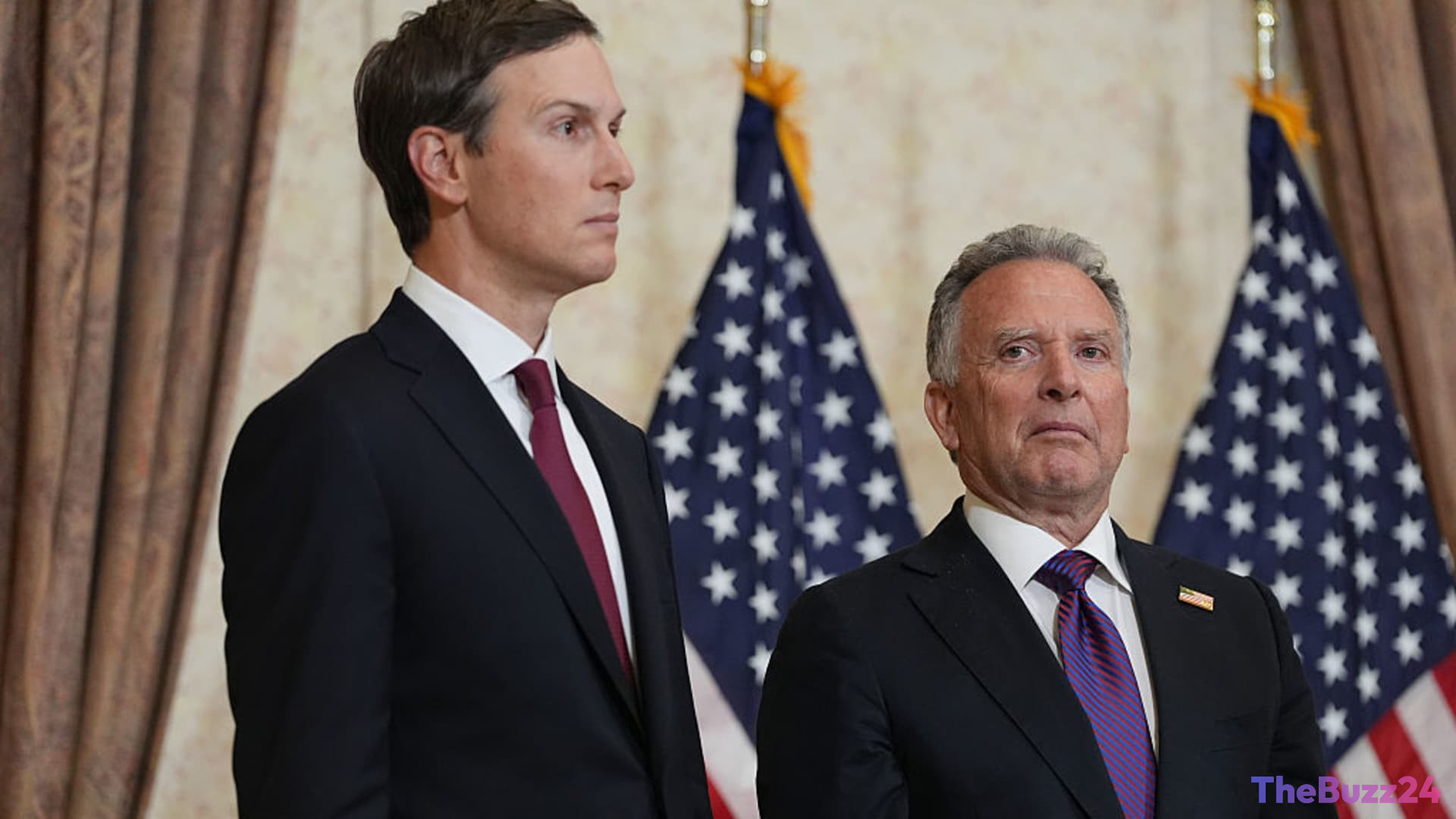
Senior U.S. officials Jared Kushner and Steve Witkoff are scheduled to travel to Pakistan this Saturday to engage in direct negotiations with Iranian representatives. This diplomatic mission, confirmed by the White House, follows a request from Tehran for in-person discussions, a development that aligns with the administration’s stated goal of pursuing a potential agreement to de-escalate ongoing tensions.
While Vice President JD Vance, who spearheaded previous diplomatic efforts in Islamabad, will not be physically present, the administration maintains that he remains central to the negotiation strategy. President Donald Trump, Secretary of State Marco Rubio, and the national security team are monitoring the situation closely from Washington, prepared to intervene or travel to the region should the talks reach a critical juncture. These discussions follow a previous round of diplomacy that failed to produce a breakthrough, as well as a subsequent meeting that was canceled after Iranian officials declined to attend.
The diplomatic push occurs amid significant geopolitical friction, particularly regarding the Strait of Hormuz. The U.S. has implemented a naval blockade of Iranian ports, which President Trump has vowed to maintain until a satisfactory deal is reached. This pressure campaign coincides with the ongoing ‘Operation Epic Fury,’ a military initiative launched in late February aimed at preventing Iran from developing nuclear capabilities. While initial projections suggested a shorter timeline for the operation, the administration has since adjusted its expectations, acknowledging the complexities of the current standoff.
Despite the military pressure and the ongoing blockade, President Trump has signaled that he is not operating under a strict deadline to finalize a peace agreement. He noted that the economic impact of the conflict on global oil and stock markets has remained more stable than early projections had anticipated, providing the administration with additional flexibility as they navigate these delicate negotiations.
Key Takeaways
- Jared Kushner and Steve Witkoff are leading a new round of direct diplomatic talks with Iran in Pakistan.
- The U.S. maintains a naval blockade of Iranian ports, which President Trump insists will continue until a deal is reached.
- The administration has extended the timeline for 'Operation Epic Fury,' shifting away from initial expectations of a rapid conclusion.
Editor’s Analysis & Impact
The dispatching of high-level envoys to Pakistan signals a strategic shift toward direct, face-to-face diplomacy, even as the U.S. maintains a ‘maximum pressure’ campaign through naval blockades and military operations. By decoupling the diplomatic track from the military operation, the administration is attempting to create leverage without closing the door on a negotiated settlement. The shift in the timeline for ‘Operation Epic Fury’ suggests that the White House is preparing for a protracted standoff rather than a quick resolution. Market stability, as noted by the President, provides a buffer for this strategy, but the volatility surrounding the Strait of Hormuz remains a significant risk factor for global energy prices. The success of these talks will likely hinge on whether Iran views the current economic and military pressure as a sufficient incentive to return to the negotiating table.
Frequently Asked Questions
Q: Why is Vice President JD Vance not attending the talks in Pakistan?
A: While the Vice President is not physically present at this specific round of negotiations, the White House has confirmed he remains deeply involved in the diplomatic process and is coordinating closely with the President and the national security team.
Q: What is the primary objective of 'Operation Epic Fury'?
A: According to Defense Secretary Pete Hegseth, the primary focus of the operation is to prevent Iran from obtaining nuclear weapons.
AI Disclosure: This article is based on verified data and official reports. Our Team and AI have cross-referenced every financial detail with primary sources to ensure total accuracy.
More from this Category