Legal Defeat for Elon Musk as Jury Dismisses Lawsuit Against OpenAI Leadership
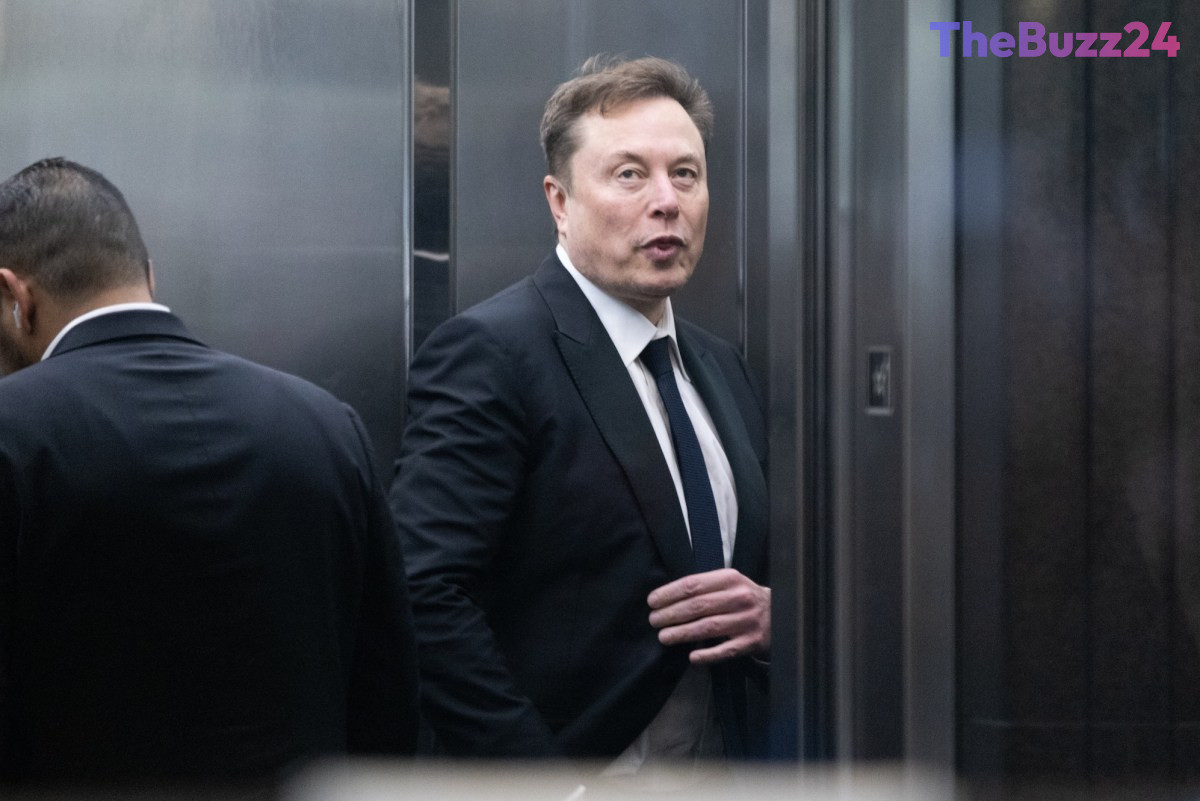
A jury has ruled in favor of OpenAI and its co-founders, Sam Altman and Greg Brockman, dismissing a high-profile lawsuit filed by billionaire Elon Musk. Musk’s legal challenge accused the leadership team of abandoning OpenAI’s original non-profit mission in pursuit of commercial profits. However, the court rejected the claims, noting that the lawsuit was filed long after the applicable statute of limitations had expired, rendering the case legally meritless.
Throughout the trial, significant attention was drawn to Musk’s own past interactions with the artificial intelligence research firm. Testimony from OpenAI co-founder Greg Brockman revealed that in 2017, Musk redirected top-tier OpenAI researchers to assist with Tesla’s Autopilot software development. This diversion of non-profit resources to benefit Musk’s private electric vehicle company occurred without any financial compensation to OpenAI, presenting a stark contrast to Musk’s allegations that others had breached the organization’s charitable trust.
Evidence presented during the proceedings painted a picture of a protracted power struggle rather than a pure defense of non-profit ideals. Court documents and testimonies indicated that Musk had previously attempted to secure unilateral control over OpenAI’s commercial division, using funding threats as leverage during negotiations. The jury’s rapid decision suggests they favored the defense’s narrative, viewing the dispute as a consequence of historical internal power struggles and conflicting business interests rather than a unilateral betrayal by OpenAI’s current leadership.
The swift resolution of the trial highlights the critical role of timely legal action in corporate governance disputes. By dismissing the case based on the statute of limitations, the court reinforced the necessity of legal certainty for operating enterprises. While Musk has indicated his intention to appeal the ruling, the outcome allows OpenAI to maintain its current trajectory, even as the trial’s revelations offer a rare window into the intense rivalries that defined the early days of the generative AI boom.
Key Takeaways
- A jury dismissed Elon Musk's lawsuit against OpenAI, Sam Altman, and Greg Brockman, citing the expiration of the statute of limitations.
- Trial testimony revealed that Musk previously diverted OpenAI researchers to work on Tesla's Autopilot project without compensating the non-profit.
- Evidence suggested the legal battle stemmed from historical power struggles and Musk's past attempts to gain sole control of OpenAI's commercial arm.
Editor’s Analysis & Impact
The dismissal of Elon Musk’s lawsuit represents a major legal victory for OpenAI, securing its operational stability during a period of intense market competition. By neutralizing this legal threat, OpenAI can focus on its commercial partnerships, particularly with Microsoft, and its transition toward a more traditional corporate structure. However, the trial’s revelations regarding Musk’s use of OpenAI staff for Tesla’s benefit highlight the messy, interconnected nature of Silicon Valley’s elite. This case underscores the growing pains of the AI industry, where the boundaries between non-profit research and massive commercial potential remain highly contested. Moving forward, the ruling sets a precedent that delayed challenges to corporate restructuring will face high legal hurdles, potentially discouraging similar retrospective lawsuits from early-stage investors.
Frequently Asked Questions
Q: Why did the jury dismiss Elon Musk's lawsuit against OpenAI?
A: The court dismissed the lawsuit primarily because it was filed past the appropriate statute of limitations, meaning the legal window for bringing these specific claims had already closed.
Q: What did the trial reveal about Elon Musk's past actions with OpenAI?
A: Testimony revealed that in 2017, Musk directed OpenAI researchers to assist with Tesla's Autopilot development without reimbursing the non-profit organization, raising questions about his own use of the entity's resources.
Q: Does this ruling end the legal dispute between Musk and OpenAI?
A: While this jury verdict is a decisive victory for OpenAI, Musk has expressed his intention to appeal the decision, meaning the legal battle could continue in higher courts.
AI Disclosure: This article is based on verified data and official reports. Our Team and AI have cross-referenced every financial detail with primary sources to ensure total accuracy.
More from this Category