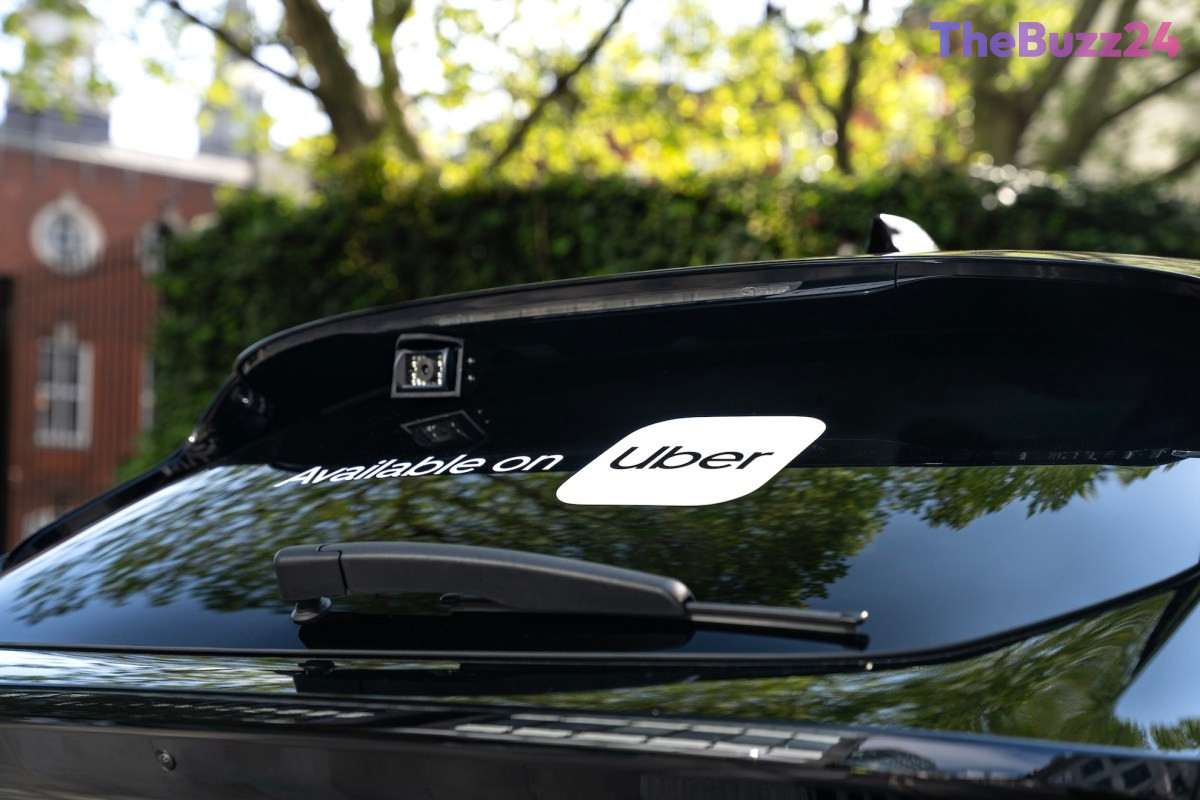
London Set for Robotaxi Showdown as Uber and Wayve Prepare for Launch
The race to dominate the autonomous ride-hailing market in London is intensifying, with Uber and its partner Wayve moving closer to a public launch. Uber has officially opened an interest list for customers in the U.K. capital, allowing users to opt-in for potential matches with Wayve-equipped autonomous vehicles. While an exact launch date remains pending regulatory approval, the service is expected to debut in the coming months, offering riders the ability to choose autonomous transit at no additional cost compared to traditional human-driven rides.
To facilitate this transition, Uber has developed a specialized in-vehicle interface featuring interactive touchscreens that support 64 languages. Initially, these Wayve-powered vehicles will operate with a human safety driver behind the wheel, a standard precaution as the industry navigates the complexities of urban autonomous deployment. Users who prefer to avoid the technology will retain the ability to decline an autonomous match and request a standard vehicle through the app.
This move sets the stage for a high-stakes competition against Waymo, which has already begun testing its own fleet of autonomous Jaguar I-Pace vehicles across a 100-square-mile radius in London. The rivalry is particularly complex given that Uber and Waymo maintain a collaborative partnership in several U.S. cities, even as Uber aggressively diversifies its autonomous portfolio. By investing heavily in Wayve—including a significant capital injection contingent on the London deployment—Uber is positioning itself to control the underlying infrastructure of the robotaxi market rather than relying solely on a single provider.
Key Takeaways
- Uber and Wayve are preparing to launch a robotaxi service in London, with an interest list now open for local users.
- The service will initially feature human safety operators, with riders given the option to opt-out of autonomous matches.
- Uber is diversifying its autonomous vehicle strategy by backing multiple providers, setting up a direct competitive landscape against Waymo in the U.K.
Editor’s Analysis & Impact
The push for autonomous ride-hailing in London represents a critical inflection point for the global transportation sector. By moving beyond a single-vendor model, Uber is effectively hedging its bets and building a proprietary operational layer—Uber Autonomous Solutions—that could eventually render it the primary gatekeeper of the robotaxi economy. The friction between Uber and Waymo, despite their U.S. partnerships, suggests that the industry is shifting from a collaborative ‘testing’ phase to a ‘market share’ phase. Future success will depend less on the software itself and more on regulatory compliance and the ability to scale operations in dense, complex urban environments. As the U.K. government continues to refine its AV framework, the company that best navigates these legislative hurdles while maintaining public trust will likely secure the first-mover advantage in the European market.
Frequently Asked Questions
Q: Will I be forced to ride in an autonomous vehicle if I use the Uber app in London?
A: No. Riders can manage their preferences in the app settings to opt-in or opt-out of autonomous vehicle matches. Even if matched with an autonomous vehicle, riders retain the option to decline and request a human-driven car instead.
Q: Are these vehicles fully driverless right now?
A: Not yet. While the goal is full autonomy, the initial rollout in London will include a human safety operator behind the wheel to monitor the vehicle and intervene if necessary.
AI Disclosure: This article is based on verified data and official reports. Our Team and AI have cross-referenced every financial detail with primary sources to ensure total accuracy.
More from this Category